Oil Surges on Hormuz Attack; Petrobras, YPF Rally

Key Facts
- USO jumped 5.46% to US$141.00 as the WTI-tracking fund repriced after two tankers were struck near the Strait of Hormuz.
- Petrobras rose 5.06% to US$20.33, with the pre-salt producer drawing strength from the same geopolitical repricing of crude.
- Ecopetrol added 4.68% to US$17.45, while YPF advanced 1.71% to US$52.46 in a broad Latin American energy rally.
- The Strait of Hormuz shock was the session’s dominant driver, pushing crude proxies sharply higher alongside renewed supply-risk premiums.
- Petrobras carried fundamental ballast after reporting a record 3.34 million boed in the second quarter, driven by Búzios, Mero and other pre-salt assets.
- Saudi Arabia signalled a structural shift aiming to displace more than 1 million barrels per day of domestic liquid-fuel burn by 2030 with gas, renewables and nuclear.
Today’s Focus
Oil proxies surged on Tuesday, September 1, 2026 after two tankers were struck near the Strait of Hormuz, the narrow waterway that carries a large share of the world’s seaborne crude. The WTI-tracking fund USO closed at US$141.00, a gain of 5.46% on the session, as traders priced in the risk of delayed or rerouted Gulf barrels.
Latin American producers rode the rally. Petrobras rose 5.06% to US$20.33, Ecopetrol gained 4.68% to US$17.45, and YPF advanced 1.71% to US$52.46, as investors treated non-Gulf supply as more valuable during the disruption scare.
The move came with Petrobras also enjoying homegrown support from its pre-salt ramp-up. The company has reported record output of 3.34 million boed in the second quarter, with the Búzios field surpassing 1 million barrels per day in July.
For foreign investors, the session showed both sides of the Latin American oil trade: exposure to global price shocks through Petrobras, Ecopetrol and YPF, and a longer-term story in which Brazilian pre-salt volumes keep setting records even before the latest geopolitical premium.
What matters today. The Strait of Hormuz supply shock gave every Latin American barrel a higher-risk premium, but Petrobras is also carrying its own pre-salt production momentum.
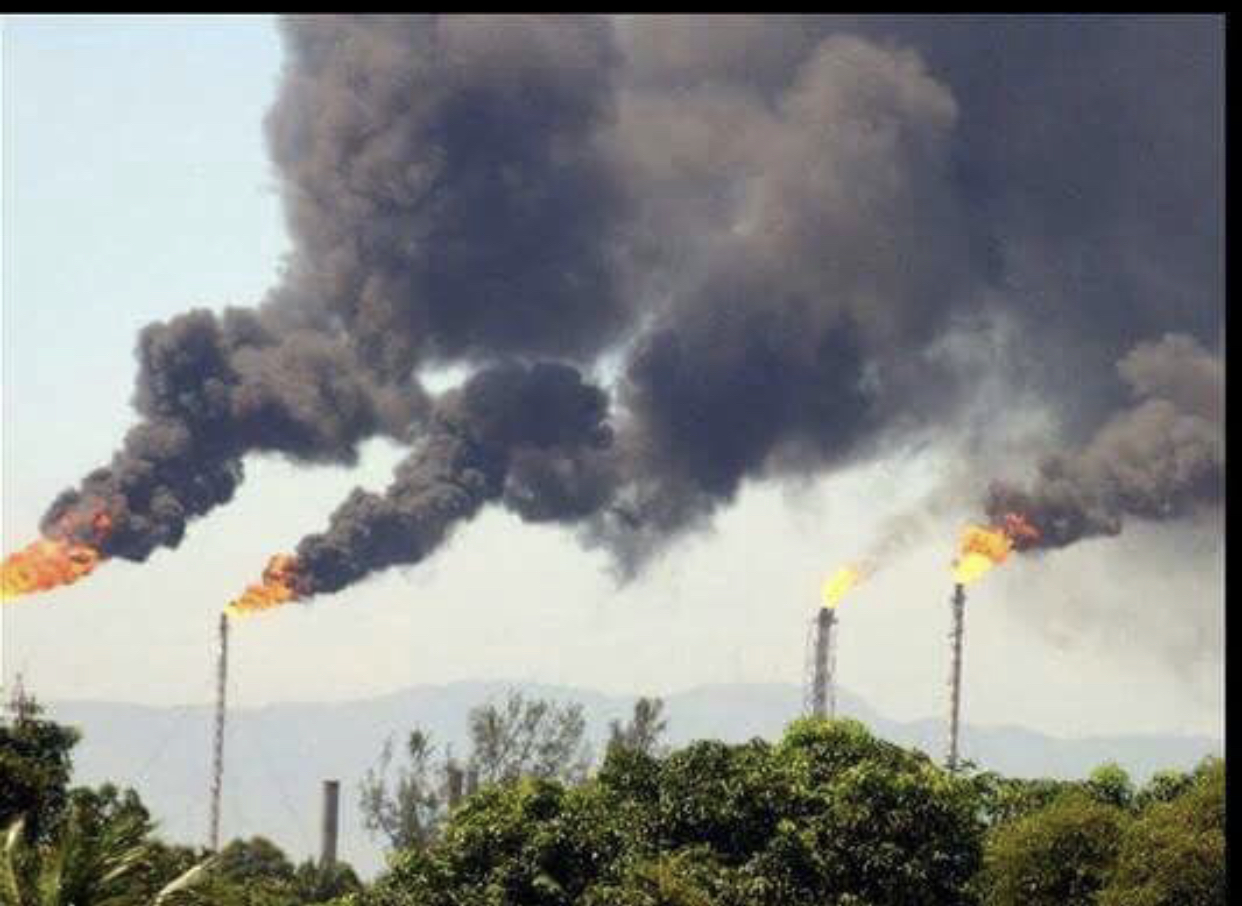
01 The session in one read
Crude proxies had their sharpest repricing in months on Tuesday, September 1, 2026 after two tankers were struck near the Strait of Hormuz. The WTI-tracking fund USO ended at US$141.00, up 5.46% on the day.
Latin American energy shares followed the shock higher. Petrobras gained 5.06% to US$20.33, Ecopetrol rose 4.68% to US$17.45, and YPF added 1.71% to US$52.46.
The move gives foreign investors a clear read: when Gulf shipping is threatened, barrels from Brazil, Colombia and Argentina become instantly more valuable at the margin.
The rally was driven by genuine supply-disruption fear rather than speculative froth, so the premium may persist as long as shipping remains at risk. The variable to watch is whether Hormuz traffic normalises within days or whether rerouting pushes Gulf export costs structurally higher.
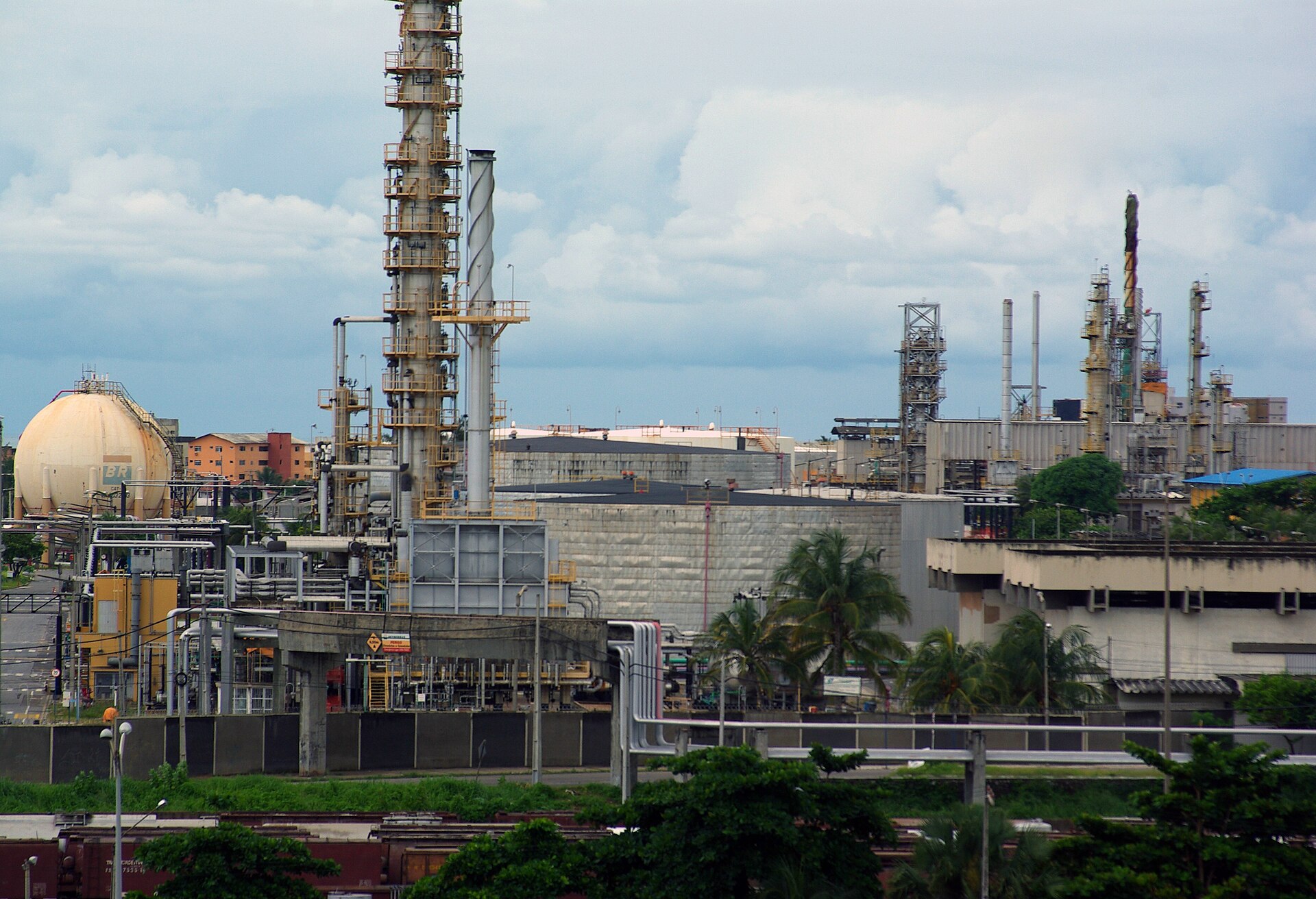
02 The board
USO settled at US$141.00, a jump of 5.46%, making it the standout mover among the Latin American energy proxies.
The Brazilian producer Petrobras closed at US$20.33, up 5.06%, while Colombia’s Ecopetrol reached US$17.45 with a 4.68% gain. Argentina’s YPF finished at US$52.46, up a more modest 1.71%, reflecting its smaller leverage to seaborne crude benchmarks.
| Asset | Level | Change |
|---|---|---|
| WTI crude (USO) | US$141.00 | +5.46% |
| Petrobras | US$20.33 | +5.06% |
| Ecopetrol | US$17.45 | +4.68% |
| YPF | US$52.46 | +1.71% |
Source: RT close, 2026-09-01. Where a commodity has no spot feed, an exchange-traded tracker or leading producer is shown as a labelled proxy.
Live Market IntelligenceThe live market board
Rio Times · Live Market Intelligence
Latin America — Cross-Market Board
| Instrument | Last | Change | YoY | Prev. | High | Low | Volume |
|---|---|---|---|---|---|---|---|
| IBOV | 205,430.33 | +0.54% | +21.85% | 204,324.26 | 168,310 | 167,142 | — |
| IPSA | 10,969.16 | -0.02% | — | 10,971.88 | 11,210 | 10,984 | 1,513,213,483 |
| IPC MEX | 68,929.72 | +1.87% | +12.17% | 67,663.29 | 66,121 | 65,405 | 108,886,187 |
| MERVAL | 2,848,945 | -0.35% | +30.51% | 3,022,485 | 3,042,365 | 2,991,150 | — |
| COLCAP | 2,566.28 | -0.55% | — | 9.04 | 9.05 | 9.02 | 4,133 |
| BVL PERÚ | 60,210.69 | -0.91% | — | — | — | — | — |
| USD/BRL | 5.16 | +0.01% | -5.13% | 5.16 | 5.18 | 5.14 | — |
| EUR/BRL | 5.95 | +1.01% | -5.83% | 5.89 | 5.98 | 5.94 | — |
| USD/MXN | 17.06 | -0.24% | -8.58% | 17.10 | 17.08 | 17.01 | — |
| USD/CLP | 913.98 | +0.04% | -5.67% | 913.65 | 915.11 | 906.68 | — |
| USD/COP | 3,140 | +0.03% | -22.04% | 3,139 | 3,141 | 3,105 | — |
| USD/PEN | 3.36 | -0.66% | -4.82% | 3.38 | 3.38 | 3.35 | — |
| USD/ARS | 1,493 | +0.10% | +12.96% | 1,491 | 1,494 | 1,480 | — |
| USD/UYU | 40.27 | +1.24% | +1.80% | 39.77 | 40.27 | 40.23 | — |
| USD/PYG | 5,939 | +1.68% | -19.54% | 5,841 | 5,939 | 5,925 | — |
| USD/BOB | 11.64 | -0.76% | +72.04% | 11.73 | 11.72 | 11.64 | — |
| USD/DOP | 58.34 | +1.25% | -3.44% | 57.62 | 58.34 | 58.04 | — |
| USD/CRC | 445.92 | +0.89% | -9.71% | 441.97 | 448.50 | 445.92 | — |
03 What moved it
The dominant driver was the Strait of Hormuz attack, which markets read as an immediate threat to one of the world’s busiest oil transit routes.
US Treasury Secretary Scott Bessent added fuel on Tuesday by saying Gulf producers could bypass the Strait of Hormuz within two years via pipeline buildout. That comment underscored both the severity of the current risk and the long-term investment response already underway.
The American Petroleum Institute reported US crude inventories fell by 2.6 million barrels in the week ending August 28, following the prior week’s rise of 4.2 million barrels. Tighter domestic stocks reinforced the upward pressure from the Hormuz shock.
04 The Latin American read
Petrobras is the clearest winner from both the price spike and its own operational record. The Brazilian major reported operated oil production in Brazil of 2.7 million barrels per day in the second quarter of 2026, with total output reaching a record 3.34 million barrels of oil equivalent per day.
The Búzios pre-salt field surpassed the 1 million barrel per day monthly average for the first time in July 2026, while refinery utilisation ran at 101% in the second quarter. That gives Petrobras a double narrative for foreign investors: global price exposure plus genuine volume growth.
Argentina’s YPF gained only 1.71%, a reminder that Vaca Muerta shale is more tied to domestic pricing and pipeline access than to instantaneous seaborne Brent moves. Colombia’s Ecopetrol moved more closely with the global benchmark.
05 The names to watch
Petrobras remains the first name for foreigners wanting Brazilian pre-salt leverage. The production milestones at Búzios and Mero are not one-off events but part of a multi-year ramp-up.
YPF is the vehicle for Argentina’s Vaca Muerta story, though its smaller gain on Tuesday shows the company trades partly on local infrastructure questions rather than pure oil-price beta.
Elsewhere in the region, Guyana’s offshore boom continues to attract attention, but no session-specific data shifted that story on Tuesday. Mexico’s Pemex and Venezuela also remain on the watchlist for any policy or output news.
06 The outlook
The immediate path depends on whether Hormuz shipping returns to normal or stays disrupted. Any prolonged rerouting would raise the floor under crude and keep the risk premium attached to Latin American producers.
Beyond the shock, watch whether Saudi Arabia’s plan to free more than 1 million barrels per day of domestic liquid-fuel demand by 2030 changes export availability. For now, the combination of geopolitical fear and Petrobras production records argues for continued upside in Brazilian energy names.
07 What to watch
- Hormuz shipping: Watch for rerouting or convoy announcements from Gulf exporters; prolonged disruption keeps the risk premium in crude proxies.
- Petrobras Búzios ramp-up: Watch for monthly production updates; a sustained Búzios above 1 million barrels per day supports premium valuations.
- US crude inventories: Watch the weekly API and EIA figures; another draw would reinforce the tightening narrative.
- Gulf pipeline buildout: Watch for fresh Bessent follow-up or project timelines; a faster bypass of Hormuz would eventually cap the geopolitical premium.
Background: Brazil’s Petrobras Upgraded to Buy by Bradesco BBI, Which Sees a 25% Return by 2027.
Background: Oil Wrap: Guyana Boom, Petrobras Pre-Salt Rise on Monday.
Frequently Asked Questions
Why did oil proxies surge on Tuesday?
Two tankers were struck near the Strait of Hormuz, threatening a major seaborne crude route and pushing the WTI-tracking USO up 5.46% to US$141.00.
Which Latin American energy shares moved most?
Petrobras rose 5.06% to US$20.33, Ecopetrol gained 4.68% to US$17.45, and YPF added 1.71% to US$52.46.
Is Petrobras rallying only because of oil prices?
No. Petrobras has its own production momentum, including record second-quarter output of 3.34 million boed and the Búzios field surpassing 1 million barrels per day in July.
What is the key risk for oil prices now?
The main variable is whether Strait of Hormuz shipping normalises quickly or stays disrupted, which would keep a supply-risk premium under crude prices.
Market data: RT
This article was produced by The Rio Times’ automated newsroom system. How we use AI · Report an error · Editorial responsibility: Matthias Camenzind, Editor-in-Chief
LatAm Markets: Live Signals → — real-time movers, turnover leaders and FX across Latin America.