Mexico’s Arsenal Against U.S. Tariff Threats: Moody’s Analytics Weighs In
Moody’s Analytics has unveiled a report outlining Mexico’s potential countermeasures to U.S. tariff threats. The analysis, released today, suggests Mexico possesses several defensive mechanisms against possible tariffs proposed by Donald Trump, the incoming U.S. president.
The report, authored by Alfredo Coutiño, Moody’s Analytics’ Latin America director, presents three main strategies. Mexico could retaliate with its own tariffs, allow competitive currency depreciation, or employ a strategic trade response. These options aim to yield a less unfavorable outcome for Mexico.
Moody’s Analytics advises Mexico to first pursue high-level diplomacy. They recommend deploying internationally respected trade negotiators to dissuade the future U.S. administration from implementing tariffs. This approach prioritizes dialogue and negotiation over immediate retaliation.
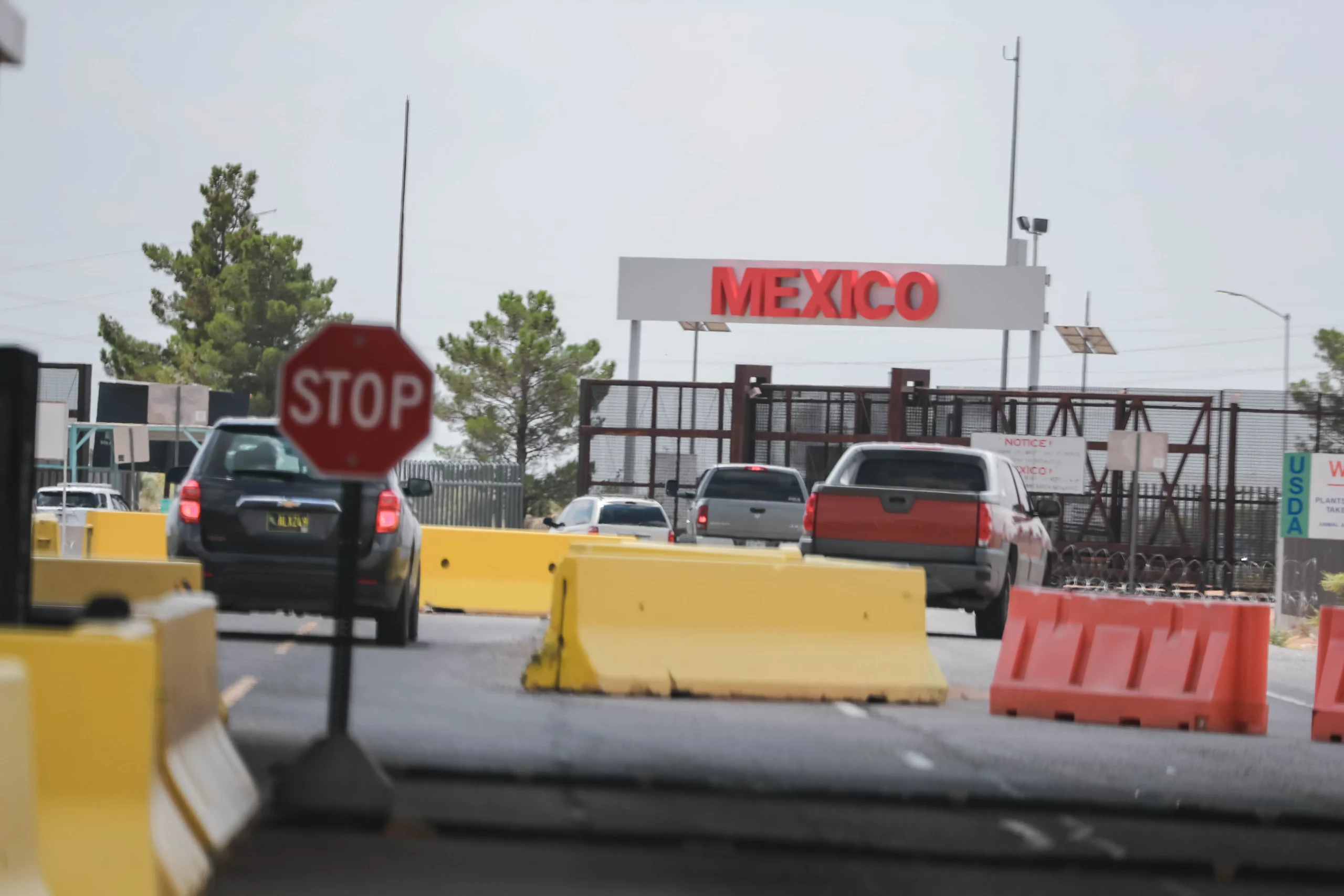
If diplomacy fails, Mexico could consider targeted tariffs on U.S. products. The report suggests selecting items that are highly sensitive, costly, and disruptive to the U.S. This strategy aims to minimize adverse effects on Mexico’s domestic inflation and industrial supply chains.
The proposed basket of U.S. products could include agricultural, semi-manufactured, and metallic goods. Producers of these items would likely become key channels for communicating the risks and costs of a tariff dispute. This approach seeks to leverage economic pressure points.
Mexico’s Arsenal Against U.S. Tariff Threats: Moody’s Analytics Weighs In
Trump, set to begin his second presidential term in January 2025, has repeatedly threatened 25% tariffs on all Mexican and Canadian products. He links these threats to issues like migration and drug trafficking, demanding resolution within their territories.
Moody’s Analytics emphasizes the importance of a strategic response over a blanket tariff. They argue this approach would better protect Mexico’s economy while effectively pressuring specific U.S. sectors. The report underscores the need for careful product selection in any retaliatory measures.
Mexico’s potential responses highlight the complex nature of international trade relations. As tensions rise, both nations face the challenge of balancing economic interests with political demands. The coming months may prove crucial in determining the future of U.S.-Mexico trade dynamics.
Key Facts
— Deep Dive
— For the complete picture, read our in-depth guide: Mexico Economy 2026: GDP, Peso, Nearshoring, Banxico and Trade
More: Latin America news in English, every day from The Rio Times.
This article was produced by The Rio Times’ automated newsroom system. How we use AI · Report an error · Editorial responsibility: Matthias Camenzind, Editor-in-Chief
In depth