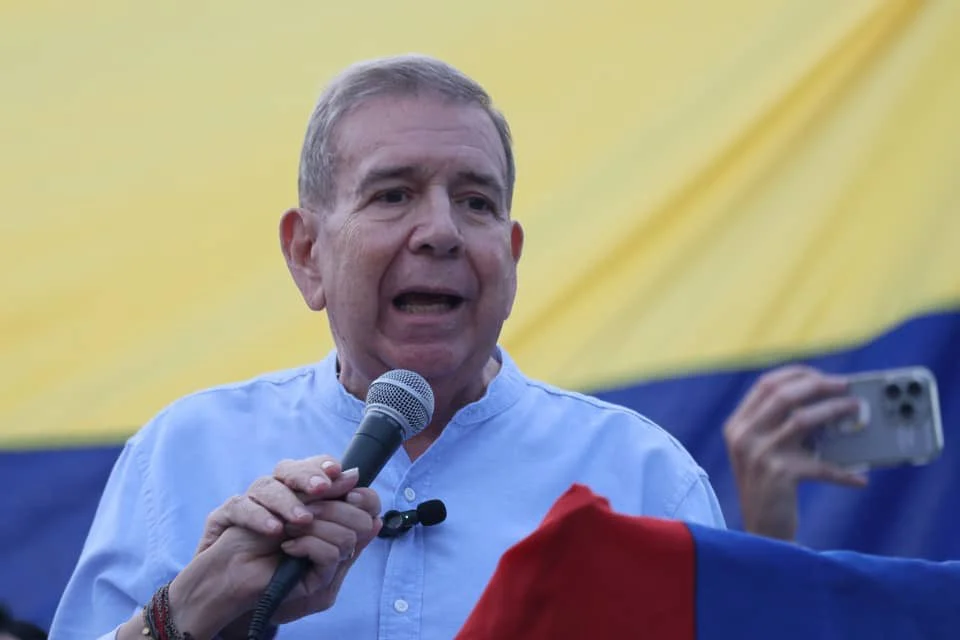
Edmundo González Urrutia, leading the polls for Venezuela’s presidential race, has raised significant concerns.
He questions the National Electoral Council’s (CNE) decision to allow only a small fraction of Venezuelans abroad to vote.
Despite nearly 4 million Venezuelans eligible to vote from abroad, only 69,211 are given this chance—a mere 1.7%
The issue centers around the stark contrast between the numbers enabled to vote and the massive Venezuelan diaspora.
Over 7.7 million people have left the country, with substantial communities in neighboring countries like Colombia, where only 7,010 out of 2.8 million can vote.
Adding to the complexities, diplomatic tensions have exacerbated voting restrictions.
For example, no Venezuelans in Ecuador can vote due to severed diplomatic ties, a decision from President Nicolás Maduro.
These electoral challenges unfold amid decreasing inflation and socio-economic promises from candidates, including González, who vows to improve conditions drastically.
He plans to raise the minimum wage and release political prisoners if elected. This narrative highlights the broader issue of migration and political disenfranchisement in Latin America.
It brings into sharp focus the challenges of maintaining democracy in conditions where millions cannot participate in the electoral process that determines their homeland’s future.
Thus, the integrity of the upcoming elections is under scrutiny, not just for fairness but for their ability to truly represent the Venezuelan populace, both at home and abroad.
More: Venezuela news in English, every day from The Rio Times.
This article was produced by The Rio Times’ automated newsroom system. How we use AI · Report an error · Editorial responsibility: Matthias Camenzind, Editor-in-Chief