KoBold Metals Just Got Its First Lithium Ground in Congo

DR CONGO · MINING
Key Facts
Seven permits: KoBold Metals, backed by Bill Gates and Jeff Bezos, has secured seven exploration permits in the Democratic Republic of Congo. The mining cadastre confirmed the grants on 27 August.
Where they sit: Four of the seven are in Manono territory, in Tanganyika province. The remainder are in Malemba Nkulu territory, in Haut-Lomami.
Not only lithium: The licences as recorded by the cadastre also cover tin, rare earths, coltan and gold. A company official told Reuters the exploration effort will focus on lithium.
The catch: Finalisation depends on resolving the long-running dispute between the Congolese government and Australia’s AVZ Minerals, which claims rights at Manono. The status of that arbitration has not been disclosed.
The July agreement: KoBold signed a preliminary agreement with Kinshasa in mid-July 2025 to develop Manono and pursue further investment. Benjamin Katabuka has been hired to run its Congolese subsidiary.
The policy backdrop: An ordinance signed on 29 June 2026 bans exports of copper and cobalt concentrate with immediate effect. It is the country’s fourth such ban since 2013.
The KoBold Metals lithium Congo position is now real ground rather than a memorandum, with seven exploration permits confirmed by the mining cadastre on 27 August. Four of them sit in Manono, the deposit an Australian company still says is its.
What the KoBold Metals lithium Congo permits actually cover
The Congolese mining cadastre confirmed seven exploration permits to KoBold Metals on Wednesday 27 August. Four are in Manono territory, in Tanganyika province, and the rest are in Malemba Nkulu territory, in Haut-Lomami.
As recorded by the cadastre, the licences cover tin, rare earths, coltan and gold as well as lithium. That breadth is normal in Congolese permitting and says little about intent.
A company official told Reuters where the work will go. “Our exploration efforts across all seven new licenses will be focused on lithium,” the official said, without being named.
KoBold has hired Benjamin Katabuka as general manager of its Congolese subsidiary. Permit areas, expiry terms and any equity or royalty arrangement with the state have not been disclosed.
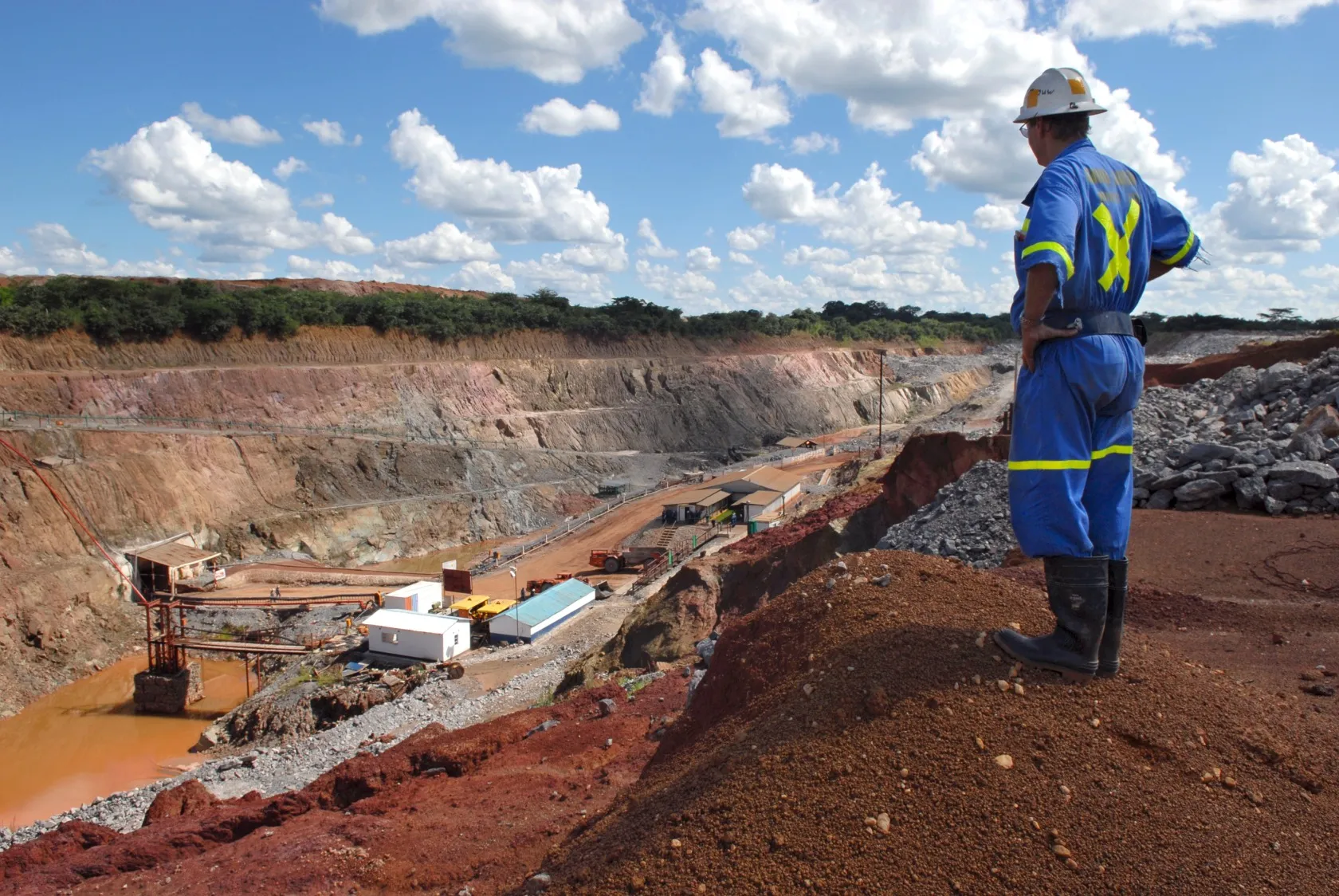
Why Manono is the address that matters
Manono is one of the largest untapped hard-rock lithium deposits anywhere, with pegmatites of unusually high grade. It has been on the industry’s watchlist for the better part of a decade.
It has also been in dispute for most of that time. Australia’s AVZ Minerals claims rights at Manono, and KoBold’s arrangement with Kinshasa is explicitly contingent on that dispute being resolved.
The status and quantum of the arbitration have not been published. Neither has any indication of what resolution would cost, or who would pay it.
That is the whole risk in one sentence. Permits are cheap; clean title at Manono is not.
The American theory of the case
KoBold is backed by Bill Gates and Jeff Bezos, and it uses machine learning to target deposits. It is, in practice, the most visible private vehicle for the United States’ critical-minerals push into Central Africa.
That push has a physical dimension as well as a financial one. Manono lithium is landlocked in the middle of the continent, and any commercial development needs a railway to an ocean.
The obvious candidate is the Lobito Corridor, running west through Angola to the Atlantic, which the Congolese government has just placed under a 30-year concession. Washington has funded and publicly championed that route.
So the two stories are one story. American capital is taking exploration ground at the same moment American money is rebuilding the railway that would move what it finds.
Kinshasa’s own leverage
The Congolese state is not a passive licensor here. An ordinance signed on 29 June 2026 bans exports of copper and cobalt concentrate with immediate effect. A separate three-month window applies only to the new tax regime on mining by-products.
Reuters reported the order in early August, and it is the fourth such ban since 2013. One-year waivers are available in circumstances the government deems strategic.
The intent is to force processing onshore rather than export raw material. It is the same argument Indonesia made with nickel and Chile has made repeatedly about lithium.
For an explorer, that is a long-dated consideration rather than an immediate one. For anyone modelling Congolese output, it is the central variable.
What to watch next
The first marker is the AVZ dispute, because nothing at Manono is bankable until it is settled. The second is whether KoBold publishes a drilling programme with metres and dates.
The third is the cadastre itself. Congolese permit tenure depends on strict payment of surface rights, and the authorities have been aggressively reclaiming ground from holders who fall behind.
Security is the unstated fourth. Eastern Congo remains contested, though Tanganyika and Haut-Lomami are well south of the current fighting in the Kivus.
None of this is a forecast about lithium prices, which have been volatile for three years. It is a note that the ownership of one of the world’s great lithium deposits is being decided now.
More: Brazil news, every day from The Rio Times.
Frequently Asked Questions
How many permits did KoBold Metals get in Congo?
The Congolese mining cadastre confirmed seven exploration permits on 27 August 2026. Four are in Manono territory in Tanganyika province and the rest are in Malemba Nkulu territory in Haut-Lomami.
What do the licences cover?
As recorded by the cadastre the licences cover tin, rare earths, coltan and gold as well as lithium. A company official told Reuters that exploration across all seven will focus on lithium.
What is the dispute over Manono?
Australia’s AVZ Minerals claims rights at Manono, and KoBold’s arrangement with Kinshasa is contingent on that dispute being resolved. The status and quantum of the arbitration have not been disclosed.
How does this connect to the Lobito Corridor?
Manono is landlocked, so any development needs rail access to an ocean, and the Lobito Corridor runs west through Angola to the Atlantic. The Congolese government has placed the Congolese section under a 30-year concession, and Washington has funded and championed the route.
Connected Coverage
The railway that would carry any of this is covered in Congo’s Lobito Corridor rail concession, and the security backdrop in the M23 counteroffensive in South Kivu. The contest for African critical minerals is tracked in Africa: The New Scramble, with more from the region in the Central Africa hub.
More Africa news: Nigeria | South Africa | Kenya | Egypt | Ghana | Morocco | DR Congo | Angola | Ethiopia | Tanzania
This article was produced by The Rio Times’ automated newsroom system. How we use AI · Report an error · Editorial responsibility: Matthias Camenzind, Editor-in-Chief
Critical Minerals in Africa
- Africa’s Critical Minerals 2026: Who Holds What and Why
- DR Congo Explained 2026: The M23 War, the Cobalt Economy, the Politics and What to Watch
- Zambia Explained: The Country, Its Copper Economy, Its Politics and What to Watch
- The Lobito Corridor: A New Railway for African Copper