
KENYA · ENERGY
Key Facts
- —The country Kenya is East Africa’s largest economy, with Nairobi as its capital and the shilling as its currency. It has never produced crude oil at commercial scale.
- —What happened On Tuesday 20 October, President William Ruto said oil sales to foreign buyers from the Lake Turkana area should start in December.
- —The project Gulf Energy, a Kenyan energy group, plans about 20,000 barrels a day from South Lokichar for KSh774 billion (about US$6.0 billion).
- —The route Trucks are due to carry Turkana oil exports to Mombasa, the main port, for monthly shipments of roughly 750,000 barrels.
- —The catch Crude sales earn dollars but do not cut pump prices, which rose on Wednesday 14 October to KSh226.96 (about US$1.75) a litre for petrol.
- —Still open Whether the first cargo leaves on 1 December, and when a pipeline or rail line replaces trucks.
Kenya says Turkana oil exports will start in December, more than a decade after crude was found in the north-west. President William Ruto made the announcement on Tuesday 20 October in Eldoret.
For US readers, the news matters to energy investors, to lenders watching Kenya’s dollar debt and to firms eyeing East Africa’s next oil producer. The volumes are small by world standards, yet Kenya would move from a single pilot cargo in 2019 to regular crude sales.
What Ruto Told the Crowd in Eldoret
Ruto spoke at Kipchoge Keino Stadium on Mashujaa Day, the national holiday honouring Kenya’s independence heroes. He said work around Lake Turkana was “progressing rapidly”, the Star newspaper reported.
He said oil sales to foreign buyers should begin in December and would “strengthen our energy sector, attract investment and create new opportunities”. He also pointed to the sale of a 25% stake in Kenya Pipeline Company, the state fuel pipeline operator, to private investors.
Who Is Behind the Turkana Project
Oil was found in March 2012, when Tullow Oil and Africa Oil struck crude at the Ngamia-1 well in Turkana County. Commercial production then stalled for more than a decade over money, roads, land and security.
Gulf Energy, a Kenyan energy and infrastructure group, bought the project from London-listed Tullow in 2025 for at least US$120 million. Its chairman, Francis Njogu, told lawmakers that 1 December 2026 is the formal production target for Turkana oil exports.
How the Crude Will Reach the Coast
Phase one targets about 20,000 barrels a day from the Ngamia and Amosing fields, rising to 50,000 in phase two. Turkana crude is waxy and can solidify below 40 degrees Celsius, so it needs heated handling.
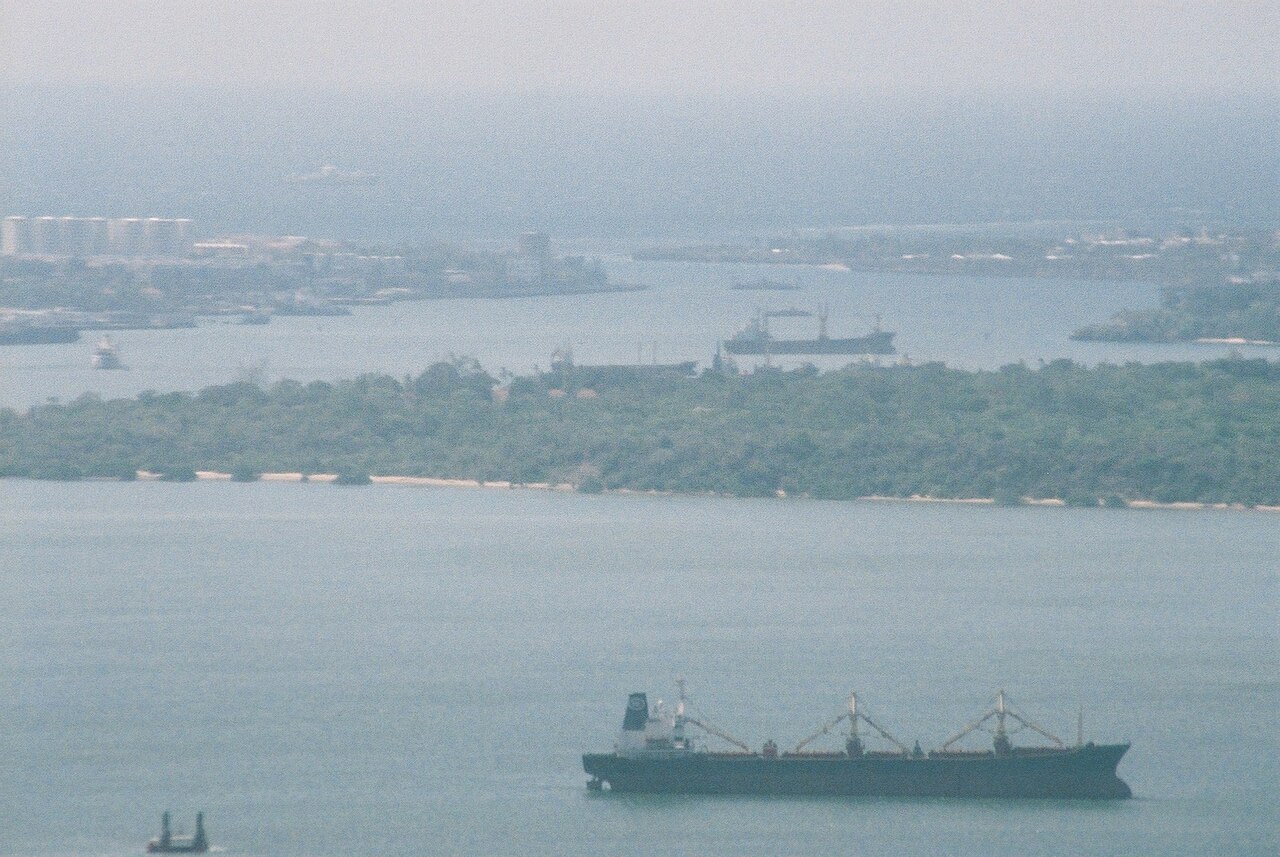
The Kenya Times, citing the energy regulator’s statistics report, said about 100 trucks would load daily for the six-day round trip to Mombasa. The oil would go to storage at the old state refinery site, then onto one tanker of roughly 750,000 barrels each month.
Trucks First, Then Rail or a Pipeline
Energy Cabinet Secretary Opiyo Wandayi has said the first phase will rely on trucking. The Nation newspaper reported that an 892-kilometre pipeline to Lamu on the coast is planned for later.
The Kenya Times report adds that the operator will study rail in phase two, with the railway reaching Lokichar by 2032. The initial five-year phase covers 48 wells, split evenly between producers and injectors.
What It Means for Kenyans and Pump Prices
Turkana oil exports bring in foreign currency, but they do not replace imported petrol, diesel or kerosene. The regulator’s review on Wednesday 14 October lifted petrol by KSh12.93 (about US$0.10) to KSh226.96 (about US$1.75) a litre.
Diesel rose KSh9.90 (about US$0.08) to KSh227.76 (about US$1.76), and kerosene jumped KSh28.49 (about US$0.22) to KSh219.87 (about US$1.69). Turkana County is negotiating a revenue share with Gulf Energy and plans to compensate about 3,600 affected people from KSh200 million (about US$1.54 million).
What It Means for US Readers
Twenty thousand barrels a day is a tiny fraction of world supply, so Turkana oil exports will not move US gasoline prices. The project offers investors a new frontier story, with about KSh774 billion (about US$6.0 billion) of planned spending.
Dollar earnings from crude could ease pressure on the Kenyan shilling, which matters for US lenders and firms selling into Kenya. Our explainer on Kenya’s natural resources lists what else Kenya sells, while Turkana also saw a fight over a raw gold export ban this month.
What Is Not Known
It is open whether the first cargo will leave on 1 December or later in the month. When a pipeline to the coast will be built is also open.
Who will buy the first cargo, and at what price, has not been announced. Nor is it clear how the county revenue share will work once barrels start to flow.
More: Kenya news in English, every day from The Rio Times.
Frequently Asked Questions
When will Kenya start exporting Turkana oil?
President William Ruto said on Tuesday 20 October that Turkana oil exports should begin in December. The operator, Gulf Energy, has set 1 December 2026 as its formal production target.
How much oil will Turkana produce at first?
The first phase targets about 20,000 barrels a day, rising to a plateau of 50,000 barrels a day in phase two. That is far below the output of Nigeria or Angola.
How will the oil get to market?
Trucks will carry the crude from South Lokichar to Mombasa, where it will be stored and loaded onto tankers. A pipeline to Lamu and a rail link are planned for later phases.
Will Turkana oil exports lower fuel prices in Kenya?
Not directly, because Kenya would sell crude but still import refined petrol, diesel and kerosene. Pump prices rose on 14 October to KSh226.96 (about US$1.75) a litre for petrol.
Who owns the Turkana oil project?
Gulf Energy, a Kenyan energy and infrastructure group, bought the project from Tullow Oil in 2025 and is carrying out the approved field development plan. Turkana County is negotiating a share of the revenue.
Sources: The Star (Kenya), 20 October 2026; The Kenya Times, transport plan for Turkana crude, 29 September 2026; People Daily, first export date and 20,000 barrels a day, 25 February 2026; Nation, Kenya to truck oil in first phase, 2025.
This article was produced by The Rio Times’ automated newsroom system. How we use AI · Report an error · Editorial responsibility: Matthias Camenzind, Editor-in-Chief