Kenya plans raw gold export ban as Turkana licence fight tests investors
Kenya · MINING
Key Facts
- —The country Kenya, East Africa’s largest economy, has about 57.5 million people and a 2025 GDP near US$136 billion, roughly the size of Puerto Rico’s (World Bank).
- —Why it matters Most Kenyan gold is dug by informal miners and sold outside official channels. Turkana, in the far north-west, has become a contested gold frontier.
- —Why now On 14 September 2026, President William Ruto said Kenya will ban exports of unprocessed gold and build at least three gold refineries.
- —What happened On 23 September, officials said the Lidambitsa gold refinery in Kakamega County, western Kenya, had reached an advanced stage of construction.
- —Who is involved Mayfox Mining is challenging in court the Ministry of Mining’s reallocation of its Turkana exploration area to other firms, including AHG Metals Kenya.
- —What it means for you Investors face tighter state control over how gold is sold, and exploration rights that rivals can contest in court.
- —Still open The ban’s legal text and start date, the refinery’s opening date and a final ruling in the Mayfox case.
Kenya wants to stop exporting raw gold and refine it at home. The Turkana gold rush, and a court fight over who may explore there, shows how hard that will be.
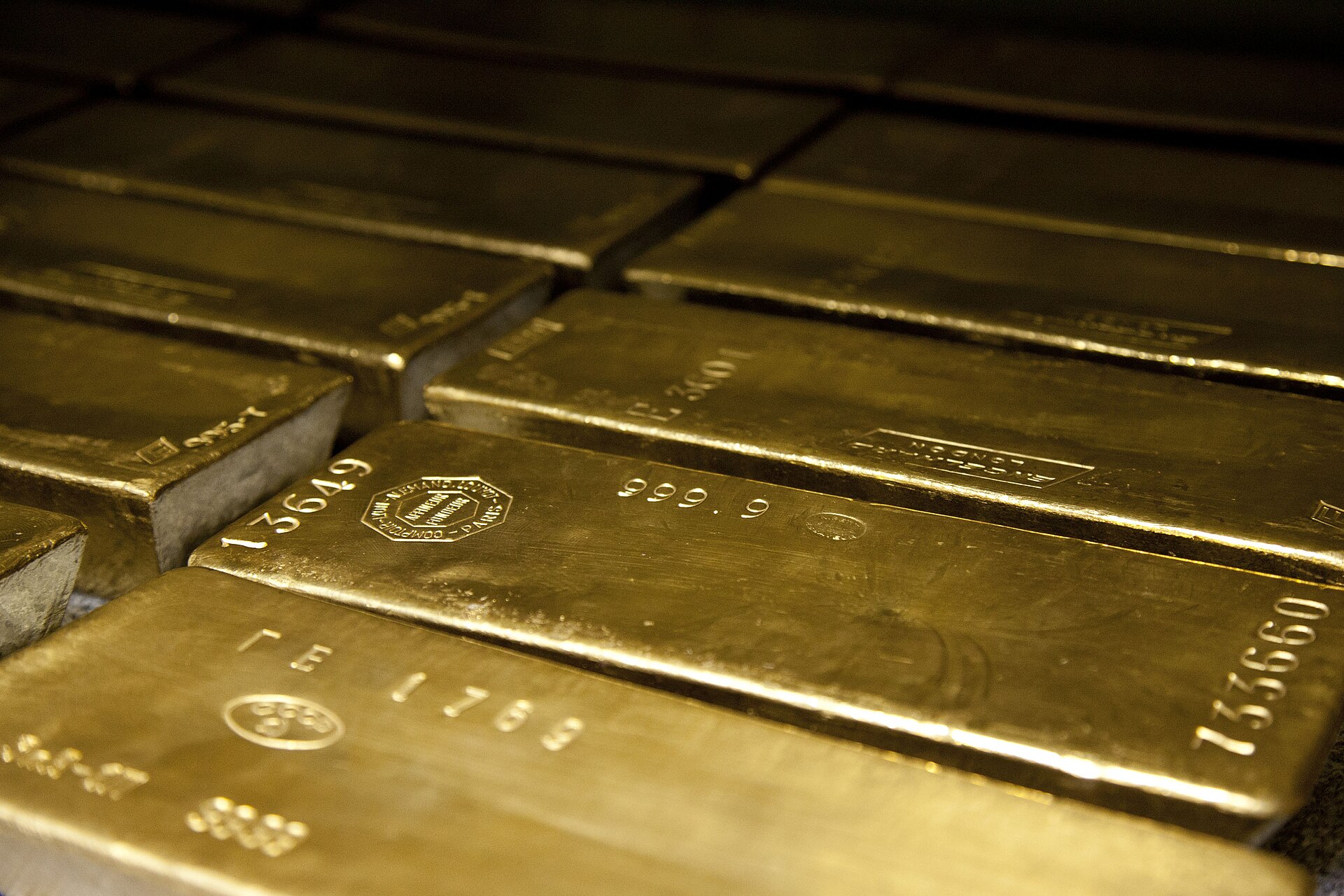
Kenya, East Africa’s largest economy, plans to ban exports of unprocessed gold. President William Ruto wants the metal refined locally and sold through state-approved channels.
The plan lands in a sector dominated by informal diggers and contested licences. In Turkana County, in the far north-west, rival companies are fighting in court over gold exploration rights.
Why Kenya wants to keep its gold at home
On 14 September, Ruto told reporters in Kisumu that exporting unprocessed gold would become illegal. Gold would have to be processed in Kenya and pass through approved government channels.
He said the government would build at least three gold refineries, in Kakamega and Nairobi. The Central Bank of Kenya would get first priority to buy domestic gold under a new purchasing programme.
Ruto cited Ghana and Zimbabwe as examples. He said the policy would eventually cover every mineral Kenya mines, not only gold.
He gave no start date, and no legal text for the ban has been published. He has floated similar limits for limestone, iron ore, graphite and titanium.
A refinery takes shape in Kakamega
On 23 September, Interior Principal Secretary Raymond Omollo said the Lidambitsa Gold Refinery had reached an advanced stage of construction. It sits in Ikolomani, in Kakamega County in western Kenya.
Omollo called it a flagship Ministry of Mining project and Kenya’s first modern refinery built to international standards. It is meant to give small-scale miners a transparent market and fairer prices.
Kenya has announced plans for a Kakamega refinery before. This time, construction is visibly under way.
The licence fight at the centre of the Turkana gold rush
Turkana County borders Uganda, South Sudan and Ethiopia. Gold finds there have drawn both artisanal diggers and exploration companies.
Four firms have fought over rights in the Naduat area: Mayfox Mining, Lorado Company, AHG Metals Kenya and H-Nuo Kenya.
Mayfox went to court against the Ministry of Mining’s decision to give its exploration area to Lorado. That area was later split into blocks for AHG Metals and H-Nuo, Kenya Insights reported.
In May 2025, The Kenyan Wall Street cited court papers showing a 28 March 2025 notice of intent to license AHG Metals. It said the High Court refused to halt the process but let the judicial review continue.
Mining Cabinet Secretary Ali Hassan Joho, the minister in charge of mining, is named in the case. Africa Intelligence reported that AHG Metals is linked to a US real-estate investor.
The newsletter said the firm is headed by a politician from the Orange Democratic Movement (ODM), one of Kenya’s main parties. No final ruling in the case has been reported in Kenyan media.
Informal miners dominate the trade
Most Kenyan gold comes from small diggers, not big mines. The State Department for Mining estimates output at about 300 kilograms a month, the business site Khusoko reported.
More than 90% of that comes from small-scale, informal miners. Their trade is worth about KSh36 billion (about US$278 million) a year outside government oversight, the same estimates show.
The state loses an estimated KSh1.2 billion (about US$9.3 million) a year in royalties. Conversions use 129.6 Kenyan shillings to the US dollar (open.er-api.com, 2 October 2026).
In June 2025, Kenya’s environment regulator, NEMA, shut more than 200 illegal gold sites along the Turkwel River in Turkana. The sites lacked environmental licences.
The risks remain. In August 2026, six miners were trapped underground after a gold mine collapsed in Turkana.
What the export ban means for investors
A ban on raw exports would push Kenyan gold through state-approved buyers and local refineries. Formal miners would have to refine in Kenya rather than ship unrefined gold abroad.
The Turkana case shows a separate risk. An exploration area can be reallocated by the ministry and then challenged in court for years.
For communities, the questions are safety, pollution and who profits from local gold. For foreign buyers, a single legal channel could make Kenyan gold easier to trace.
The wider push for Kenya’s minerals
Joho is courting foreign partners. In late September he said Kenya was in “advanced” talks with the United States on a critical-minerals deal, Semafor reported.
The case fits a wider pattern covered by Africa: The New Scramble, where gold and critical minerals are fiercely contested.
What to watch next
Watch for the legal text of the gold export ban and its start date. Watch also for the Lidambitsa refinery’s opening and any ruling in the Mayfox judicial review.
The bigger test is whether formal rules reach the diggers. Without that, the Turkana gold rush may stay largely informal, whatever the export law says.
Frequently Asked Questions
What is Kenya’s planned gold export ban?
President William Ruto said on 14 September 2026 that exporting unprocessed gold will become illegal. Gold will have to be processed locally and sold through approved government channels.
What is the Turkana gold licence dispute?
Mayfox Mining is challenging the Ministry of Mining’s reallocation of its exploration area in Turkana County. The area went to Lorado Company and was later split into blocks for AHG Metals Kenya and H-Nuo Kenya.
Where will Kenya refine its gold?
The government plans at least three refineries, in Kakamega and Nairobi. The Lidambitsa refinery in Kakamega County was at an advanced stage of construction in late September 2026.
How much gold does Kenya produce?
State Department for Mining estimates put output at about 300 kilograms a month. More than 90% of it comes from small-scale, informal miners.
Connected Coverage
Sources
- khusoko.com
- kenyans.co.ke
- the-star.co.ke
- kenyainsights.com
- kenyanwallstreet.com
- eastleighvoice.co.ke
- kenyans.co.ke
- semafor.com
- data.worldbank.org
This article was produced by The Rio Times’ automated newsroom system. How we use AI · Report an error
LatAm Markets: Live Signals → — real-time movers, turnover leaders and FX across Latin America.
Read More from The Rio Times