Job Gains in 2025 Undermined by Quality Concerns in Mexico
The National Survey of Occupation and Employment (ENOE) reported the creation of 123,446 jobs in January 2025. This marks only the fifth time since 2005 that the year began with positive job creation figures.
However, this recovery failed to offset the loss of over 683,000 jobs recorded in December 2024. Despite the overall increase in employment, job quality deteriorated due to the types of occupations created.
Self-employment grew by 450,660 positions, and unpaid work added 257,708 roles. Meanwhile, salaried jobs, which performed exceptionally well in 2024, saw a reduction of 136,233 positions. Employers also cut back significantly, with a loss of 448,639 roles.
The rise in employment coincided with an increase in unemployment. Around 170,647 individuals joined the ranks of the unemployed, pushing the unemployment rate from 2.4% to 2.7% compared to the previous month.
Informal employment also grew substantially, adding 371,937 workers. This raised the labor informality rate from 53.7% to 54.2%, reflecting a slight annual increase of 0.1 percentage points.
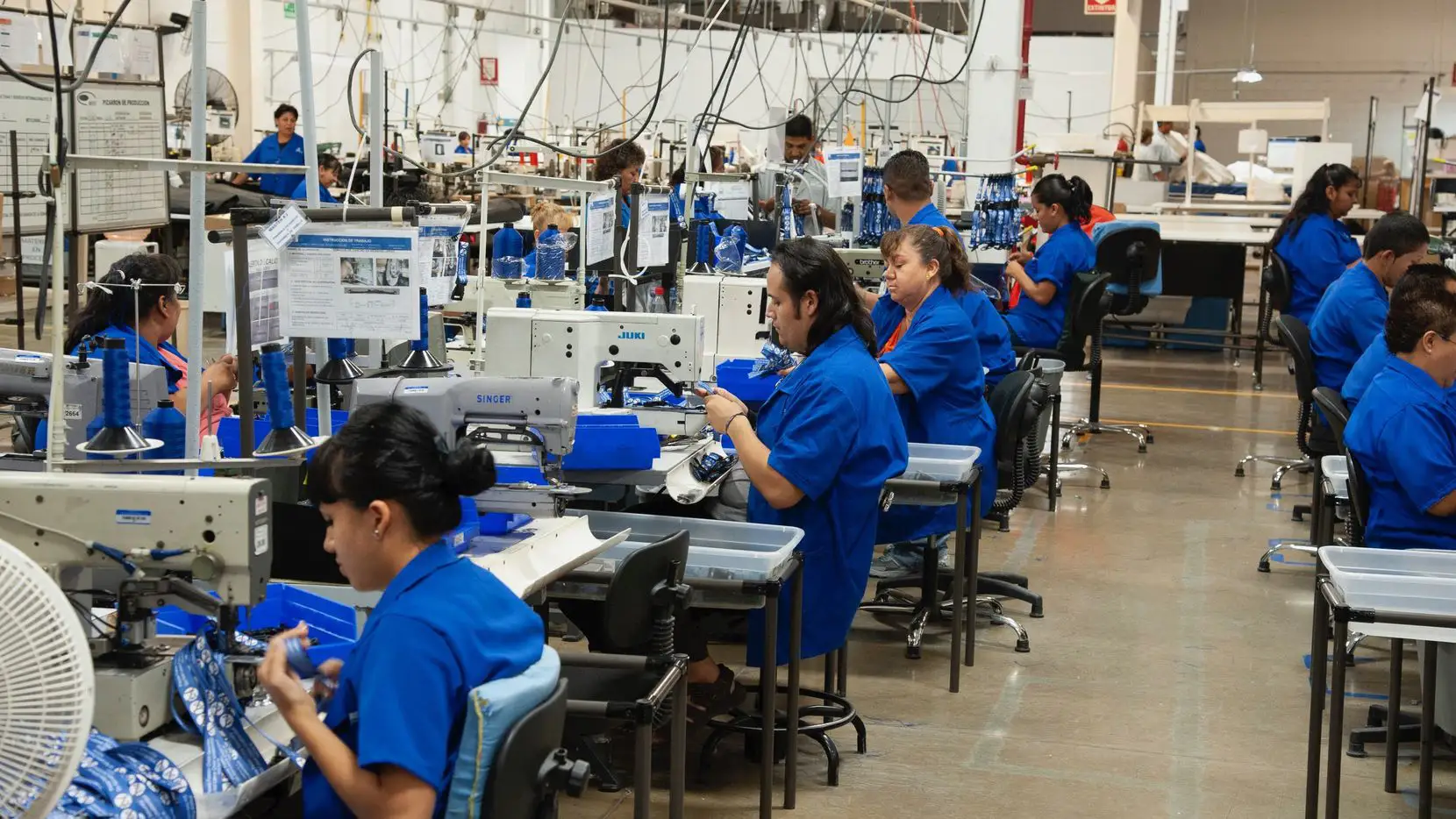
Mexico’s Employment Challenges
Formal employment suffered a significant blow, losing 248,527 positions in January alone. According to data from the National Institute of Statistics and Geography (INEGI), this trend contributed to a rise in workers without access to health services—a key indicator of decent work conditions.
Over 559,351 individuals joined this group, while those with access to health institutions decreased by 371,516. These shifts highlight a concerning trend: while more people found work at the start of 2025, many were pushed into informal or precarious roles.
The lack of access to health services and the decline in salaried jobs underscore challenges in achieving sustainable and equitable labor market growth.
January’s employment gains provide some optimism for recovery but reveal structural issues in job quality and formal sector stability. Policymakers may need to address these disparities to ensure long-term improvements in labor conditions and economic resilience.
More: Latin America news in English, every day from The Rio Times.
This article was produced by The Rio Times’ automated newsroom system. How we use AI · Report an error · Editorial responsibility: Matthias Camenzind, Editor-in-Chief