Israel’s Pivot in Ukraine: Redefining Alliances with Missile Diplomacy
In a move that could reshape the dynamics of the Ukraine war, the U.S. is considering facilitating the transfer of up to eight Patriot air defense systems from Israel to Ukraine.
This development represents a potential shift in Israel’s military diplomacy and highlights the evolving nature of international alliances amid ongoing global conflicts.
Historically, Israel has maintained a delicate balance in its international relations, particularly with Russia and the United States.
The decision to potentially equip Ukraine with advanced missile defense technology could enhance Kyiv’s capabilities to defend against Russian missile attacks.
This move would provide a significant boost, especially considering Ukraine’s urgent requests for more robust air defense systems.
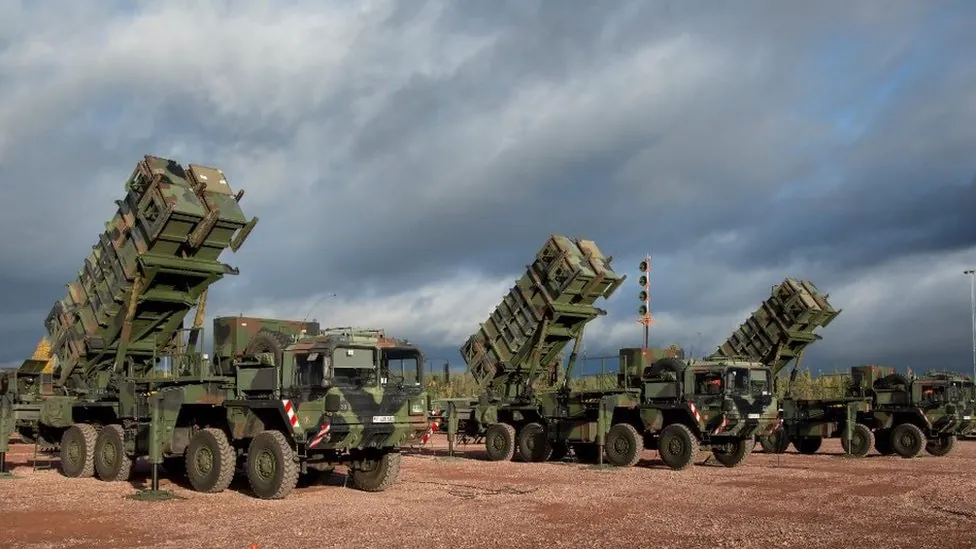
Israel’s advanced air defense systems, such as the Iron Dome and Arrow, have been pivotal in its national security strategy. They intercept threats and safeguard its territory effectively.
By extending this technology to Ukraine, Israel not only supports a strategic ally but also aligns its policies more closely with U.S. interests.
This move could potentially strain its nuanced relations with Russia. The implications of this move are profound. It signals a possible realignment in Israel‘s foreign policy.
Traditionally cautious to avoid antagonizing Russia due to Moscow’s strategic partnerships in the Middle East, especially with Iran.
Geopolitical Shifts
A decision to support Ukraine with military assets would mark a significant departure from this cautious stance. It reflects a recalibration of priorities and alliances.
This scenario highlights how military aid and defense collaborations impact global geopolitics. It shapes regional stability and international security beyond bilateral relationships.
The broader narrative here revolves around the adaptability of nations to shifting geopolitical landscapes.
For Israel, offering missile defense systems to Ukraine could strengthen its ties with Western allies while recalibrating its strategic posture towards Russia and Iran.
This move could potentially lead to a redefinition of regional power dynamics. It may particularly impact how Middle Eastern conflicts are influenced by global superpowers.
As the situation unfolds, the global community watches closely. It understands that the decisions made today will shape the geopolitical landscape of tomorrow.
This article was produced by The Rio Times’ automated newsroom system. How we use AI · Report an error · Editorial responsibility: Matthias Camenzind, Editor-in-Chief
Read More from The Rio Times