How Trump Adopts Lula’s Own Persecution Playbook Against Brazil
(Op-Ed Analysis) President Luiz Inácio Lula da Silva calls Washington’s threatened 50 % tariffs “unacceptable blackmail,” yet the charge lands with a peculiar echo.
The economic squeeze the United States is now applying to Brazil looks uncannily like the judicial squeeze Lula’s own administration and Supreme Court Justice Alexandre de Moraes have tightened around former president Jair Bolsonaro.
Swap court summonses for customs duties and the choreography is the same: stretch the investigation’s perimeter, pile on fresh accusations, and keep turning the screw until political surrender feels inevitable.
The pattern emerged first in Brasília. What began as a narrow probe into alleged coup plotting soon engulfed Bolsonaro’s relatives, aides, fund‑raisers, and even sympathetic influencers, each new indictment widening the dragnet.
In Washington, the escalation trace is nearly identical. Diplomatic scolding gave way to tariff threats. Those threats matured into a full-dress Section 301 inquiry.
It now scrutinizes everything from Brazil’s digital-payments architecture to its ethanol blend ratios and environmental enforcement. The instruments differ, the geometry of pressure does not.
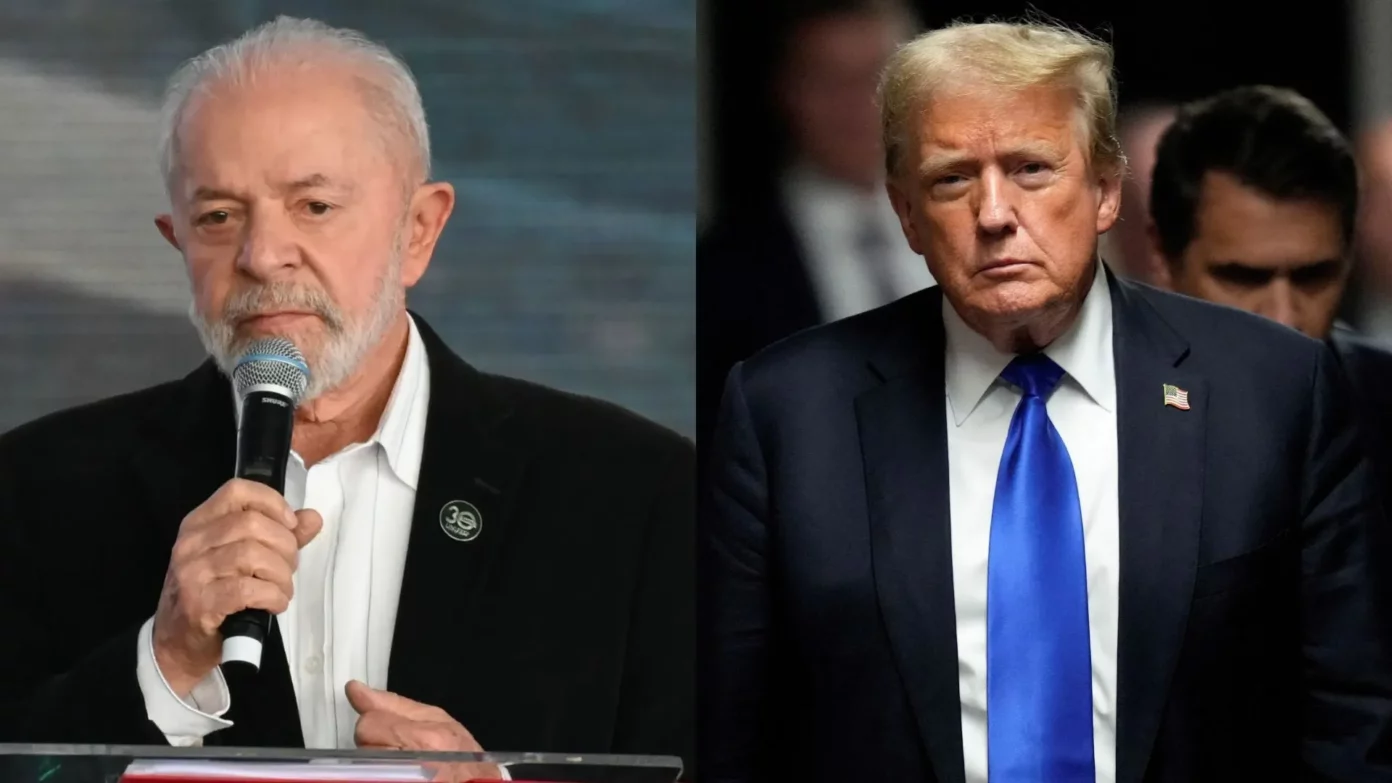
Both campaigns rely on the same moral framing. Brazilian prosecutors style Bolsonaro as the capo of a “criminal organization” bent on dismantling democracy; U.S. trade officials recast Brazil as the mastermind of “systematic unfair practices” that sabotage American commerce.
Brazil–US Clash Becomes a Mirror War of Narratives and Escalation
In each story the antagonist is conspiratorial, coordinated, and urgent enough to justify extraordinary counter‑measures. Escalation, too, proceeds in lockstep. De Moraes’s docket jumped from election disinformation to coup finance to foreign lobbying.
The USTR’s file has ballooned from steel to soybeans to sweeping hints of broader BRICS sanctions. Every week seems to unveil a new pretext for turning up the heat.
Behind the scenes, parallel machinery grinds on: a leaked trove of messages shows de Moraes running an unofficial investigative cell that drafts targets and talking points; in Washington, six distinct investigative tracks now sprout out of the Section 301 case, each a legal runway for heavier penalties.
Both sides claim the loftiest motives—defending democracy in Brasília, protecting fair trade in Washington—yet the stakes are nakedly political. Bolsonaro faces decades in prison and forced exile; Brazil’s exporters face billions in lost revenue if 50 % duties bite.
The timing only heightens the symmetry: as Bolsonaro’s trial calendar accelerated this summer, the White House rolled out its tariff timetable almost in tandem.
Even the rhetoric has converged. Brazilian prosecutors lament a plot to “destabilize democratic order”; U.S. officials decry “coordinated assaults on American digital platforms.” Both scripts summon the specter of an organized threat that must be stamped out before it spreads.
Strip away the flags and the venue, and the campaigns are mirrors: expand the perimeter, multiply the charges, invoke institutional gravitas, ratchet pressure without pause.
When Lula denounces Washington’s tactics as blackmail, he is staring straight into the reflection of his own government’s methods.
More: Brazil news in English, every day from The Rio Times.
This article was produced by The Rio Times’ automated newsroom system. How we use AI · Report an error · Editorial responsibility: Matthias Camenzind, Editor-in-Chief