Lula Calls US Tariffs “Unacceptable Blackmail,” as Washington Punishes Brazil’s Political Persecution
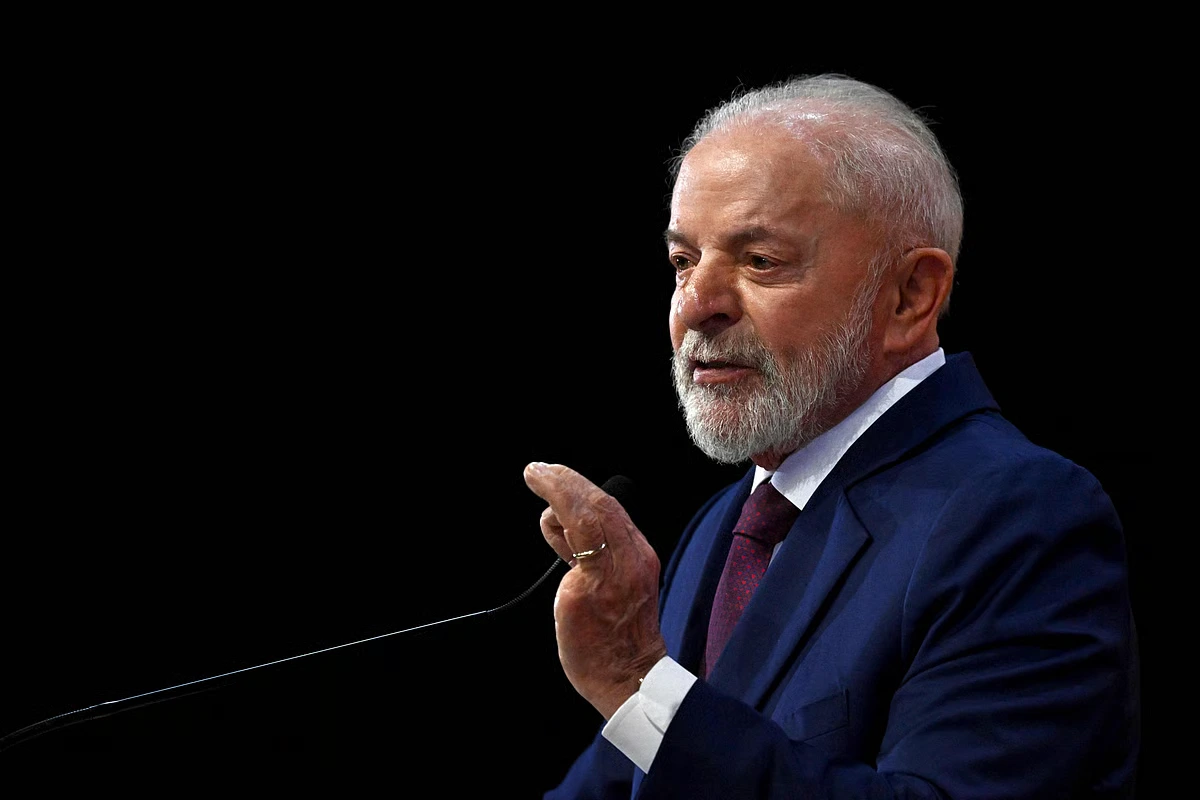
On July 17, President Luiz Inácio Lula da Silva appeared on Brazilian TV and denounced the United States’ sudden plan to impose a 50% tariff on all Brazilian exports, calling it “unacceptable blackmail.”
But this is not just a trade spat; the US openly ties these tariffs to what it sees as a troubling direction in Brazil’s politics—especially the powerful role of Brazil’s Supreme Federal Court under Justice Alexandre de Moraes.
US officials have made it clear the crackdown is not really about the usual trade arguments. Official US Embassy statements and briefings describe the Brazilian court as overly activist, with Justice de Moraes leading controversial cases against former president Jair Bolsonaro, a Trump ally.
The White House now treats Lula’s Brazil more like countries it calls “problematic” for democracy, including Venezuela—not as a traditional partner.
Despite Lula’s complaints, trade numbers point elsewhere. In 2024, Brazil sold $27.7 billion in goods to the US, and the US sold $10.3 billion to Brazil.
US Tariffs Signal Deeper Rift with Brazil Beyond Trade
For years, US official data shows America with the long-term advantage—a $410 billion total surplus over the past 15 years. Yet the tariffs come as the US government says it is no longer just worried about economics.
Instead, it views Brazil’s political path under Lula and its assertive top court as falling out of line with what the US expects of partners. By introducing these tariffs and calling out Brazil’s courts, Washington makes it clear: it’s using economic pressure to send a warning.
Lula’s claims of national sovereignty and his defense of Brazil’s instant payment system Pix do not address these new US criticisms—concerns over Brazil’s separation of powers and the direction of its democracy.
Instead, the US administration has chosen the same fast, hard-hitting approach it uses for countries it sees as undemocratic, applying sweeping tariffs as leverage.
Both economies may now face higher prices and tougher business. For Brazil, the central issue is no longer just trade, but whether its political system keeps US confidence.
For the US, this situation is about drawing a line—using tariffs not only to influence commerce, but to push Brazil’s leaders away from what it considers a dangerous shift in how the country is governed.
More: Brazil news in English, every day from The Rio Times.
This article was produced by The Rio Times’ automated newsroom system. How we use AI · Report an error
Read More from The Rio Times