Gold Slips Below $4,400, Silver Tumbles on Rate-Hike Bets
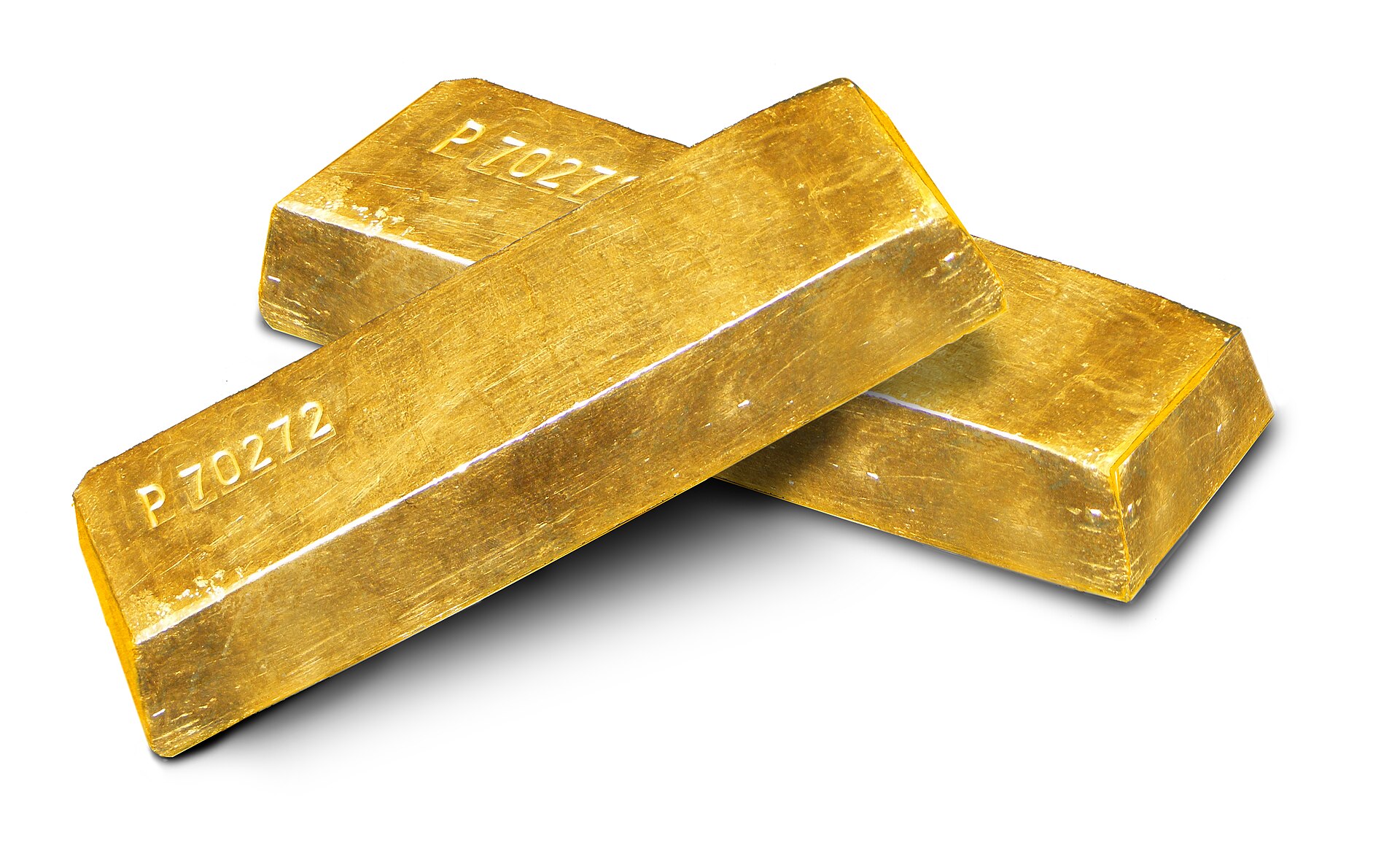
Key Facts
- Gold proxy settled at US$4,325 an ounce, down 2.86% on the session, as higher real yields made the non-yielding metal less attractive.
- Silver proxy settled at US$64.13 an ounce, down 3.73%, falling harder than gold because silver is more sensitive to shifts in the dollar and interest rates.
- A firmer dollar and a global bond slide pushed the 10-year U.S. Treasury yield to about 4.79%, raising the opportunity cost of holding precious metals.
- Hawkish repricing after Fed Chair Kevin Warsh’s comments put the market-implied chance of a September Federal Reserve rate hike at roughly 70%.
- Rising oil prices added to the pressure reinforcing expectations that the Fed may need to stay tighter for longer to contain inflation.
- Mexico remains central to the silver story because Fresnillo plc, the world’s largest primary silver producer, operates all of its mines in the country, while Peru is a major regional miner.
Today’s Focus
Gold and silver fell sharply on Tuesday, September 1, 2026, as a firmer U.S. dollar and rising Treasury yields overpowered the usual safe-haven bid. The gold-tracking proxy settled at US$4,325 an ounce, down 2.86%, while the silver proxy closed at US$64.13 an ounce, down 3.73%.
The catalyst was a global bond slide that pushed the 10-year U.S. Treasury yield to about 4.79%. Comments from Fed Chair Kevin Warsh led traders to price a roughly 70% chance of a September rate hike, raising the opportunity cost of holding non-yielding metals.
For Latin America, the slide matters most through silver. Mexico, home to Fresnillo plc’s entire portfolio and the world’s largest primary silver producer, faces weaker revenue per ounce, while Peru’s major mining sector watches the same dollar and rates dynamic.
What matters today. The dollar and real yields, not geopolitics, are now driving precious metals, and that hurts silver-heavy economies like Mexico and Peru.
01 The session in one read
Precious metals fell hard on Tuesday, September 1, 2026, as a firmer U.S. dollar and a global bond slide hit non-yielding assets. The gold proxy settled at US$4,325 an ounce, down 2.86%, while the silver proxy closed at US$64.13 an ounce, down 3.73%.
The move came after comments from Fed Chair Kevin Warsh pushed market-implied odds of a September rate hike to roughly 70%. Rising oil prices added to the hawkish tone by reinforcing inflation concerns.
The session followed the classic pattern: higher real yields and a stronger dollar weigh on gold and silver, overpowering any flight-to-safety demand. Silver’s larger drop, 3.73% versus 2.86% for gold, reflects its greater beta to rate expectations.
The variable to watch is the 10-year U.S. Treasury yield; if it pushes decisively above 4.79%, gold could retest the US$4,215 support level flagged by the World Gold Council.
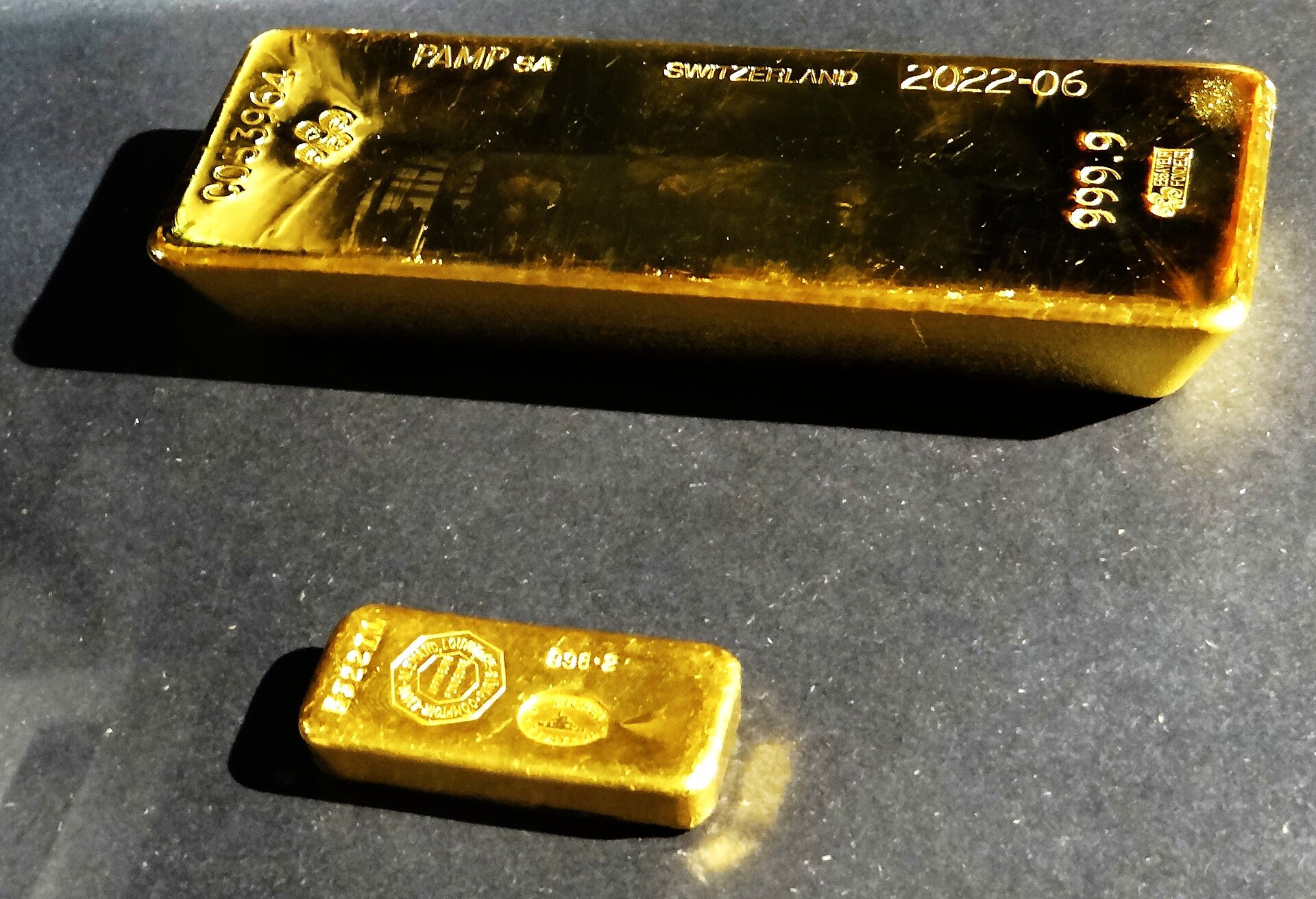
02 The board
The gold proxy settled at US$4,325 an ounce, a decline of 2.86% on the session and a close below the US$4,400 level. The silver proxy closed at US$64.13 an ounce, down 3.73%.
Both moves came as the 10-year U.S. Treasury yield rose to about 4.79% and the two-year yield moved near 4.35% to 4.39%. A stronger dollar compounded the pressure by making dollar-priced metals more expensive for foreign buyers.
| Asset | Level | Change |
|---|---|---|
| Gold | US$4,325/oz | -2.86% |
| Silver | US$64.13/oz | -3.73% |
Source: RT close, 2026-09-01. Where a commodity has no spot feed, an exchange-traded tracker or leading producer is shown as a labelled proxy.
Live Market IntelligenceThe live market board
Rio Times · Live Market Intelligence
Latin America — Cross-Market Board
| Instrument | Last | Change | YoY | Prev. | High | Low | Volume |
|---|---|---|---|---|---|---|---|
| IBOV | 205,430.33 | +0.54% | +21.85% | 204,324.26 | 168,310 | 167,142 | — |
| IPSA | 10,970.29 | -0.01% | — | 10,971.88 | 11,210 | 10,984 | 1,513,213,483 |
| IPC MEX | 68,929.72 | +1.87% | +12.17% | 67,663.29 | 66,121 | 65,405 | 108,886,187 |
| MERVAL | 2,848,945 | -0.35% | +30.51% | 3,022,485 | 3,042,365 | 2,991,150 | — |
| COLCAP | 2,566.28 | -0.55% | — | 9.04 | 9.05 | 9.02 | 4,133 |
| BVL PERÚ | 60,210.69 | -0.91% | — | — | — | — | — |
| USD/BRL | 5.16 | +0.01% | -5.13% | 5.16 | 5.18 | 5.14 | — |
| EUR/BRL | 5.95 | +1.01% | -5.83% | 5.89 | 5.98 | 5.94 | — |
| USD/MXN | 17.06 | -0.24% | -8.58% | 17.10 | 17.08 | 17.01 | — |
| USD/CLP | 913.98 | +0.04% | -5.67% | 913.65 | 915.11 | 906.68 | — |
| USD/COP | 3,140 | +0.03% | -22.04% | 3,139 | 3,141 | 3,105 | — |
| USD/PEN | 3.36 | -0.66% | -4.82% | 3.38 | 3.38 | 3.35 | — |
| USD/ARS | 1,493 | +0.10% | +12.96% | 1,491 | 1,494 | 1,480 | — |
| USD/UYU | 40.27 | +1.24% | +1.80% | 39.77 | 40.27 | 40.23 | — |
| USD/PYG | 5,939 | +1.68% | -19.54% | 5,841 | 5,939 | 5,925 | — |
| USD/BOB | 11.64 | -0.76% | +72.04% | 11.73 | 11.72 | 11.64 | — |
| USD/DOP | 58.34 | +1.25% | -3.44% | 57.62 | 58.34 | 58.04 | — |
| USD/CRC | 445.92 | +0.89% | -9.71% | 441.97 | 448.50 | 445.92 | — |
03 What moved it
The trigger was a repricing of Federal Reserve policy after Chair Kevin Warsh’s remarks. Traders moved to price a roughly 70% chance of a rate hike in September, up sharply from earlier expectations, which lifted real yields and the dollar.
A global bond slide pushed the 10-year U.S. Treasury yield to about 4.79%, raising the opportunity cost of holding gold and silver, which pay no interest. Rising oil prices added another hawkish impulse, since higher energy costs can feed inflation and keep the Fed tighter for longer.
The usual safe-haven bid from geopolitical tension was present but not strong enough to offset the rates and dollar channel. Silver fell harder than gold because it is more sensitive to shifts in industrial demand expectations and rate moves.
04 The Latin American read
Mexico is the most exposed silver economy in the world. Fresnillo plc, the world’s largest primary silver producer, operates all of its mines in Mexico, so a 3.73% drop in the silver proxy directly pressures its revenue per ounce.
Peru is a major regional mining country, and its producers face the same dollar and rates headwind. A stronger dollar helps local-currency costs but hurts the purchasing power of dollar-denominated export revenue in local terms, squeezing margins for miners across the region.
05 The names to watch
Fresnillo plc is the name to watch in Mexico, given its status as the world’s largest primary silver producer, with all operating mines in the country. Its share price tends to move with silver more than gold.
For Peru, the key is the wider mining complex: copper and zinc producers often have silver as a by-product, so a silver slide acts as a secondary margin drag. Investors should watch how dollar strength and the 4.79% 10-year yield filter through to local miners’ earnings revisions.
06 The outlook
If the 10-year U.S. Treasury yield holds above 4.79%, gold and silver may stay under pressure. The World Gold Council has flagged US$4,215 an ounce as a possible pullback level for gold if short-term momentum fades.
The next key data point is the Federal Reserve’s September meeting. Any confirmation of a hike would likely keep the dollar bid and real yields elevated, extending the pain for non-yielding metals and the Latin American producers that depend on them.
07 What to watch
- 10-year U.S. Treasury yield: Watch whether it holds above 4.79%; a further rise would deepen pressure on gold and silver.
- September Fed meeting: A confirmed rate hike would validate the roughly 70% market pricing and keep the dollar strong.
- Oil prices: Further rises in oil could reinforce inflation fears and hawkish Fed expectations, hurting precious metals.
- Fresnillo plc share price: As the largest primary silver producer with all mines in Mexico, it is the cleanest equity proxy for silver’s direction.
Frequently Asked Questions
Why did gold fall on Tuesday, September 1, 2026?
A firmer U.S. dollar and rising Treasury yields after Fed Chair Kevin Warsh’s comments raised the opportunity cost of holding gold, which pays no interest.
Why did silver fall more than gold?
Silver is more sensitive to shifts in the dollar, interest rates and industrial demand expectations, so it typically has a higher beta in precious-metal slides.
What does this mean for Mexico?
Mexico is the world’s largest primary silver producer, led by Fresnillo plc, so a lower silver price directly reduces export revenue and miner margins.
What level should gold investors watch?
The World Gold Council has flagged US$4,215 an ounce as a possible pullback level if short-term momentum fades further.
Market data: RT
This article was produced by The Rio Times’ automated newsroom system. How we use AI · Report an error · Editorial responsibility: Matthias Camenzind, Editor-in-Chief
LatAm Markets: Live Signals → — real-time movers, turnover leaders and FX across Latin America.