
GHANA · FINANCE
Key Facts
- —The country Ghana is a West African country of about 33 million people with 26.4 million active mobile money accounts.
- —The background A directive in force since November 2025 requires every digital lender in Ghana to hold a central bank licence.
- —Why now The grace period for unlicensed apps ended on 30 June 2026; monthly lists of offenders have followed since August.
- —What happened On Tuesday, 6 October, the Bank of Ghana named 20 more loan apps operating without a licence.
- —The numbers That makes 60 app names published in three lists of 20 since early August.
- —What it means for you Borrowers are told not to use the apps, and banks and payment firms are cautioned against processing their payments.
- —Still open The notice does not name the apps’ owners or say whether Google or Apple will remove them.
The central bank’s third list since August targets phone lenders it accuses of breaching data privacy and consumer protection rules.
Ghana’s central bank on Tuesday, 6 October, named 20 unlicensed loan apps and told the public not to use them. It also warned banks against handling payments for the apps, which operate without its licence.
The Bank of Ghana, which also licenses lenders, cited significant violations of customer data privacy and consumer protection rules. It matters beyond Ghana because such apps commonly reach borrowers through app stores run by two US companies, Google and Apple.
What the Bank of Ghana Notice Says
The notice, numbered BG/GOV/SEC/2026/36, is signed by Aimee Vyda Quashie, the bank’s secretary. It lists these 20 unlicensed loan apps, spelled as the bank prints them:
- Agile Loan, AmanaPay, CashWay, Foutou Credit
- HastyCredit, InsCash, KudiNow, LendAura
- Lever credit, LoanGlide, NovaCedi, Palm Loan
- PocketLoan, Rite Credit, SikaCare, SikaNow
- Susu Loan, Taploan Up, Temivo Cedi, Zatuloan
The bank said the apps breach its Directive for Digital Credit Services Providers, the rulebook it issued in September 2025. It strongly advised the public not to deal with unlicensed lenders.
Banks, specialised deposit-taking institutions and payment service providers were cautioned against processing transactions for these firms. The bank said it will work with other state institutions to identify and investigate them and take appropriate enforcement action.
This is the third list of 20 since August: Notice No. 29, dated Tuesday, 8 September, named 20 different apps. MyJoyOnline, a Ghanaian news site, reported an earlier list of 20 on Monday, 3 August.
Two of the new names, HastyCredit and NovaCedi, closely resemble Hasty Credit and Nova Cedi on those earlier lists. The notice does not say whether they are the same operators.
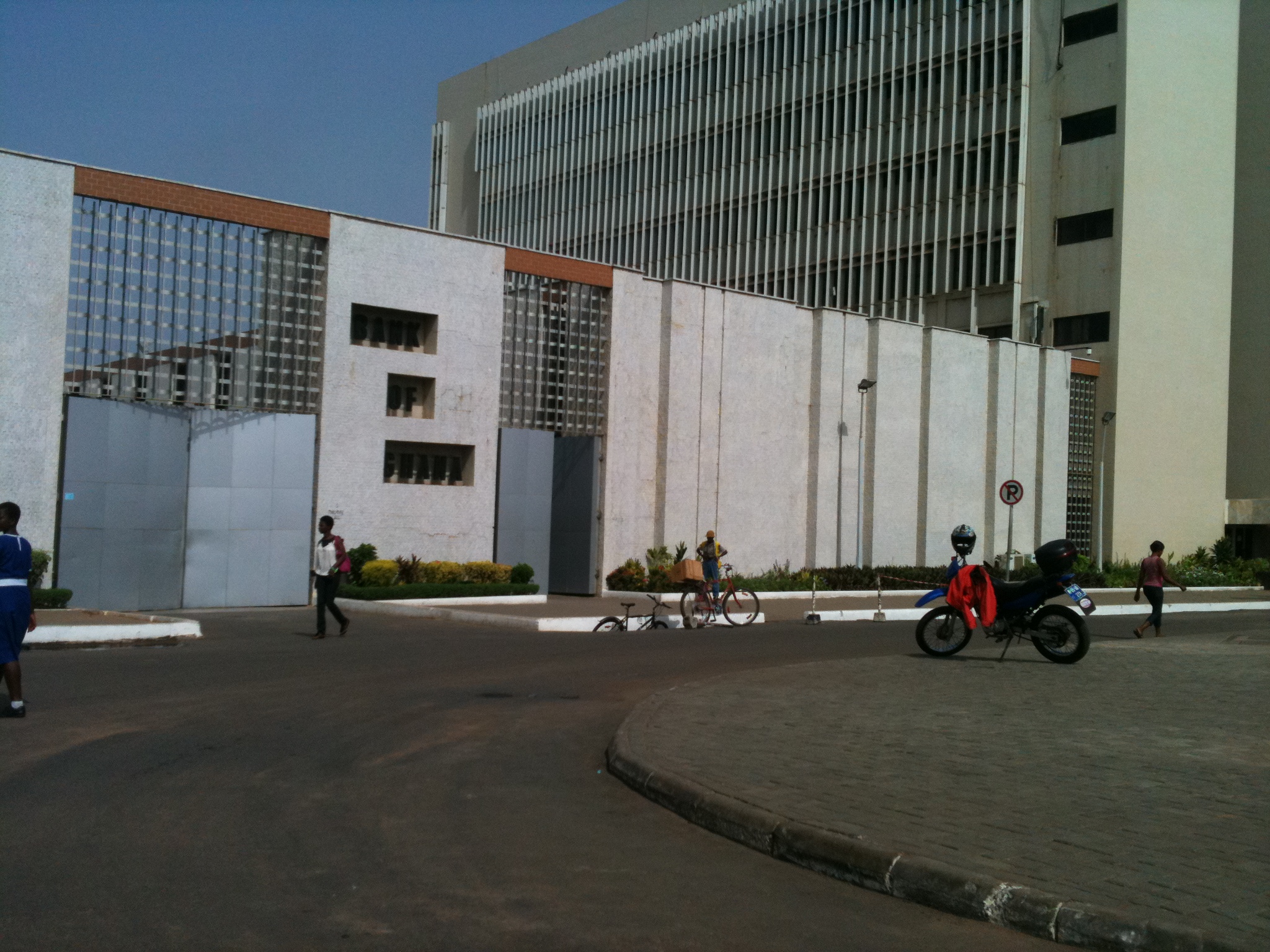
How Ghana Regulates Unlicensed Loan Apps
The directive rests on the Non-Bank Financial Institutions Act of 2008, the law that governs lenders that are not banks. It took effect on 1 November 2025.
It states that anyone who provides digital credit without a licence commits an offence and may be prosecuted. The directive does not describe borrowing from such a lender as an offence.
It also bans abusive debt collection. Lenders and their agents may not use threats, obscene language, unsolicited messages to a customer’s contacts or unauthorised social media posts.
Unlicensed operators were given until Tuesday, 30 June 2026, to regularise their operations. In a notice dated Monday, 20 July, the bank said firms that had not complied may face regulatory action.
The same July notice promised an updated public list of licensed digital lenders on the bank’s website. Graphic Online reported in September 2025 that the licensing rules set minimum capital of GHS 2 million (about US$172,000).
Conversions use exchange rates of 5 October 2026.
Why Phone Lending Matters in Ghana
Ghana had about 33 million people in 2024, according to Ghana Statistical Service figures reported by the Ghana News Agency. Bank of Ghana data reported by MyJoyOnline show 26.4 million active mobile money accounts in August 2026.
In that month alone, mobile money transactions were worth GHS 518.8 billion (about US$44.6 billion). Lending apps can pay out and collect loans through the same phone wallets.
Phone wallets let lenders reach people who may have no bank account. The bank’s warning to banks and payment firms targets the channels the apps use to move money.
Kenya and Nigeria Took Similar Steps
On Tuesday, 14 July, the Central Bank of Kenya licensed 25 more digital lenders, bringing the total to 252. It has received more than 800 applications since March 2022.
In Nigeria, the consumer watchdog, the Federal Competition and Consumer Protection Commission, issued digital lending rules effective Monday, 21 July 2025. Companies face fines of up to NGN 100 million (about US$75,000) or 1% of the previous year’s turnover, whichever is higher.
What It Means for US Readers
Google’s Play Store policy bars personal loan apps from accessing users’ photos and contacts. It sets extra country rules for eight markets, including the United States, Kenya and Nigeria, but Ghana is not on that list.
Apple’s App Store guidelines bar loan apps from charging more than a 36% annual percentage rate. They also forbid loans that must be repaid in full within 60 days, a rule Google applies too.
Alphabet, Google’s parent, and Apple are both listed on the Nasdaq. The Bank of Ghana notice does not say whether either company was asked to remove the 20 unlicensed loan apps.
The Ghanaian rules echo US consumer law. The Fair Debt Collection Practices Act bars debt collectors from discussing a consumer’s debt with most third parties without consent.
Americans living or working in Ghana who borrow through local apps should check a lender’s licence with the Bank of Ghana first.
What Is Not Known
The notice does not say who owns the 20 apps or where they are based. It gives no figure for how many Ghanaians borrowed through them.
It does not say whether the apps can still be downloaded, or whether Google or Apple were asked to take them down. Whether any operator named since August has been prosecuted could not be confirmed.
What Comes Next
The bank says it will keep working with other state institutions to investigate unlicensed lenders. Three lists in three months suggest more names may follow, though no date has been announced.
The notice does not mean digital lending is banned in Ghana. Licensed providers can still lend, and the list is a regulatory warning, not a court ruling.
Frequently Asked Questions
What is a digital credit services provider in Ghana?
It is a company that lends money to customers through a phone app or another digital channel. Under a directive in force since November 2025, it needs a Bank of Ghana licence.
Is it illegal to borrow from one of the listed apps?
The directive makes it an offence to provide digital credit without a licence; it does not describe borrowing as an offence. The central bank still strongly advises the public not to deal with the listed apps.
What can a borrower do if a loan app harasses them?
The directive bans threats, obscene language and unsolicited messages to a customer’s contacts. Complaints can go to the Bank of Ghana’s Fintech and Innovation Department at [email protected], [email protected] or +233 30 273 9650.
Are these apps on Google Play or Apple’s App Store?
The notice does not say. Google Play bars loan apps from accessing photos and contacts, and Apple caps loan apps at a 36% annual percentage rate.
Why does this matter outside Ghana?
Kenya and Nigeria have also brought phone lenders under licensing rules. Such apps are commonly distributed through app stores run by Google and Apple, both US companies.
Sources: Bank of Ghana, Notice No. 36: Unlicensed Digital Credit Services Providers (6 October 2026); Bank of Ghana, Directive for Digital Credit Services Providers; Bank of Ghana, Notice No. 22 (20 July 2026); Bank of Ghana, Notice No. 29 (8 September 2026); Central Bank of Kenya, press release (14 July 2026); FCCPC, Digital Consumer Lending Regulations 2025; Google Play, Financial Services policy; Apple, App Store Review Guidelines; US Federal Trade Commission, Fair Debt Collection Practices Act; Citi Newsroom; Graphic Online; Graphic Online (September 2025); MyJoyOnline (August 2026 list); MyJoyOnline (mobile money data); Ghana News Agency (population) (all accessed 6 October 2026).
This article was produced by The Rio Times’ automated newsroom system. How we use AI · Report an error · Editorial responsibility: Matthias Camenzind, Editor-in-Chief