Emergency Response to Dengue and Chikungunya in Brazil’s Minas Gerais
Facing a dramatic increase in arbovirus cases, the Brazilian state of Minas Gerais has announced a health emergency.
This action, publicized last Saturday, responds to the escalating crisis. Within 2024’s initial three weeks, officials recorded 11,490 dengue and 3,067 chikungunya cases.
The report underlines the prevalence of Dengue Serotype 1, alongside the reemergence of Serotype 3, which has been absent in epidemic form for over a decade and a half.
Governor Romeu Zema now spearheads efforts to curb this outbreak. His plan includes securing essential resources and services that are urgently needed.
Additionally, he will oversee the creation of an arbovirus emergency center, managed by the state’s health authority.
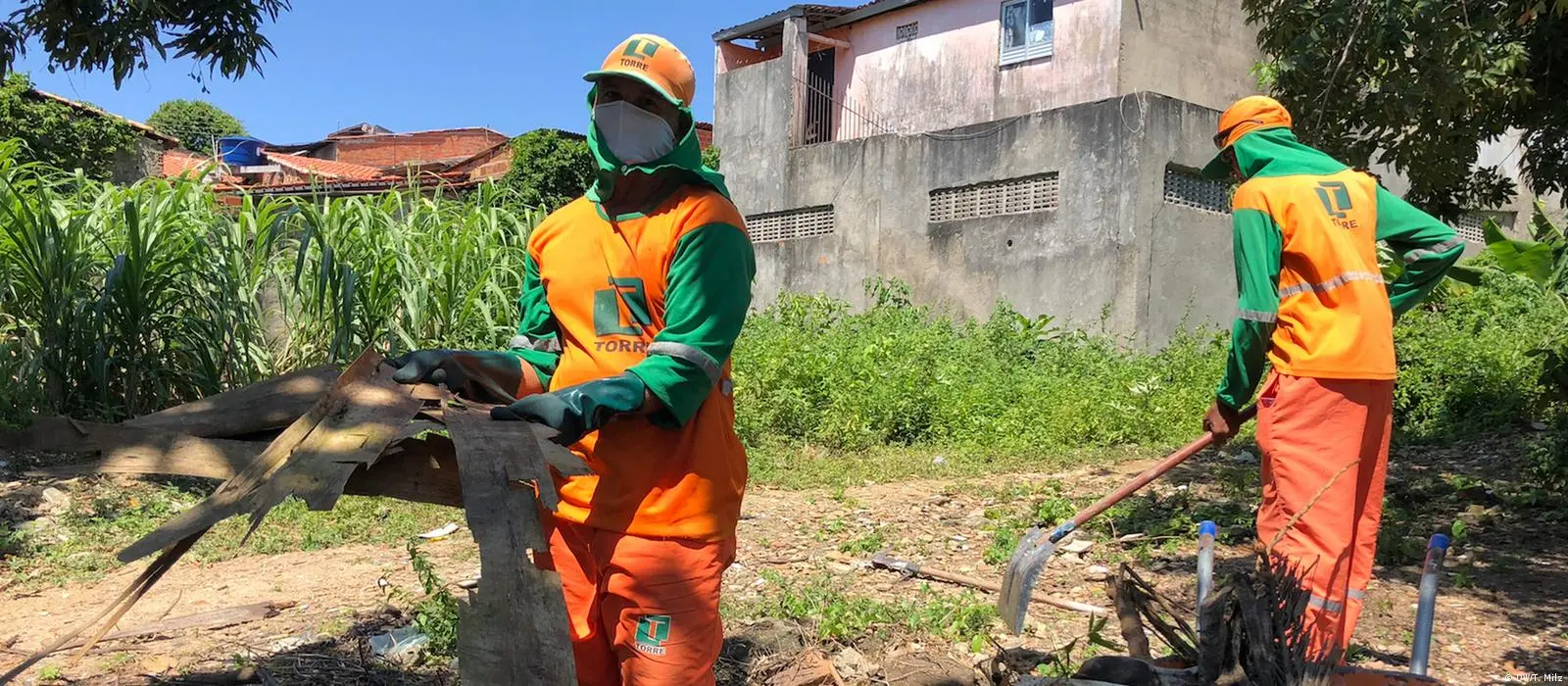
This center will actively monitor and control the outbreak for the next 180 days.
Simultaneously, Brazil’s Ministry of Health is launching dengue vaccinations in February for 521 municipalities.
These areas, belonging to 37 dengue-prone health regions, include populous municipalities with over 100,000 residents, high dengue transmission rates in 2023–2024, and a prevalence of the DENV-2 serotype.
This list encompasses cities in 16 states, including Minas Gerais and the Federal District.
This vaccination drive prioritizes children and teenagers between 10 and 14 years old.
This age group has seen 16,400 hospitalizations from January 2019 to November last year, ranking just below the older people, who are currently ineligible for the vaccine.
This comprehensive approach underscores the government’s commitment to addressing public health concerns and reducing the burden on healthcare systems.
This article was produced by The Rio Times’ automated newsroom system. How we use AI · Report an error · Editorial responsibility: Matthias Camenzind, Editor-in-Chief
Read More from The Rio Times