ECOWAS Faces Withdrawal Crisis: Mali, Burkina Faso, and Niger Seek Exit Extension
ECOWAS is at a crucial crossroads as it grapples with the withdrawal of Mali, Burkina Faso, and Niger. The ECOWAS Parliament has proposed extending the withdrawal deadline, originally set for January 29, 2025.
This proposal will be debated at the upcoming summit of heads of state on December 15, 2024, in Abuja. In January 2024, the three countries announced their immediate exit from ECOWAS.
They cited the organization’s alignment with foreign powers like France and its sanctions following military coups. They deemed these sanctions illegal and harmful to their sovereignty.
In response, they formed the Alliance of Sahel States (AES) in July 2024, aiming for stronger defense cooperation without ECOWAS’s influence.
The push for an extension reflects ECOWAS’s efforts to maintain regional stability. Senegal’s President Bassirou Diomaye Faye is leading discussions with these nations, highlighting the need for dialogue before any final withdrawal occurs.
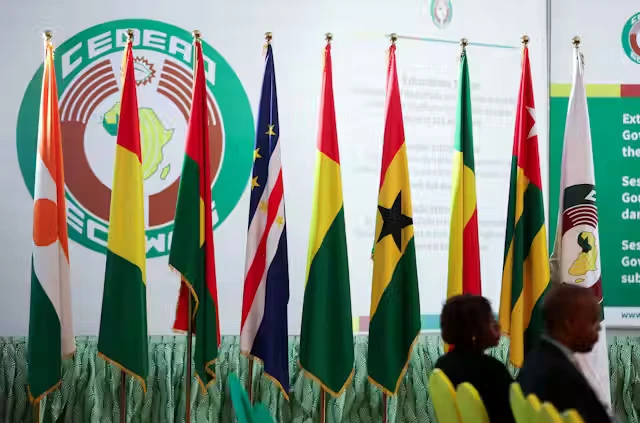
The Parliament seeks more time for negotiations that could help reintegrate these states into ECOWAS. The implications of this potential withdrawal are significant.
Geopolitical Shifts and Economic Impacts in West Africa
Analysts warn that it could weaken security frameworks in West Africa, where armed groups linked to al-Qaeda and ISIS are active. A fragmented response may worsen instability in the region.
Economically, the three countries rely heavily on trade with other ECOWAS members. Their exit could lead to increased costs and reduced competitiveness in markets that have relied on decades of integration efforts.
This situation is part of a broader geopolitical shift in West Africa. The withdrawal signals a move towards new alliances and increasing Russian influence as former colonial powers retreat.
As ECOWAS approaches its summit, the decision on extending the withdrawal deadline will be vital for shaping future relations in West Africa.
Addressing security concerns and promoting economic cooperation will be essential amidst rising tensions and changing alliances in the region. Understanding these dynamics is crucial for grasping the future stability and economic health of West Africa.
More: Angola news in English, every day from The Rio Times.
This article was produced by The Rio Times’ automated newsroom system. How we use AI · Report an error · Editorial responsibility: Matthias Camenzind, Editor-in-Chief
Part of our ongoing coverage
Africa: The New Scramble — the great-power contest over the continent.