Colombia’s Ecopetrol Plans Board Overhaul Before September Vote
Energy · Colombia, 3 August 2026
Key Facts
—New move. Ecopetrol’s board is set to be reconstituted at an extraordinary shareholders’ meeting expected in early September 2026.
—Trigger. the reset follows Ricardo Roa’s exit on 30 July and the arrival of president-elect Abelardo de la Espriella, who takes office on 7 August.
—Interim chief. Juan Carlos Hurtado Parra has been acting president since 31 July while a headhunter draws up a shortlist for a permanent chief executive.
—Open seats. vacancies left by Ángela María Robledo, Tatiana Roa Avendaño and Juan Gonzalo Castaño are due to be filled at the September meeting.
—Subsidiaries. the shake-up is expected to reach Ecopetrol’s subsidiaries and corporate vice-presidencies, not just the parent board.
—Name floated. Jorge Mario Velásquez, former head of Grupo Argos, has been publicly proposed by the president-elect for a board role.
—State control. the Colombian state owns 88.5% of Ecopetrol, giving it effective command of the meeting’s outcome.
Ecopetrol’s board overhaul is moving into its decisive phase, with Colombia’s state-controlled oil company preparing to reconstitute its board and reshuffle its subsidiaries at an extraordinary shareholders’ meeting expected in early September, days after the country’s new government takes office.
A Governance Reset Enters Its Decisive Phase
Ecopetrol, Colombia’s largest company and the state’s biggest single source of revenue, is preparing the most far-reaching change to its leadership in years. The trigger is the departure of Ricardo Roa, who left the presidency on 30 July, and the arrival of a new national government due to take office on 7 August.
The Colombian state owns 88.5% of Ecopetrol, so control of the board effectively follows control of the presidency. With president-elect Abelardo de la Espriella preparing to be sworn in, the incoming administration is expected to move quickly to reshape the company at the top.
An extraordinary shareholders’ meeting is expected in early September to fill the vacant seats and reset the board’s composition. The date has not been formally fixed, but Colombian media and company observers point to the first weeks of the month.
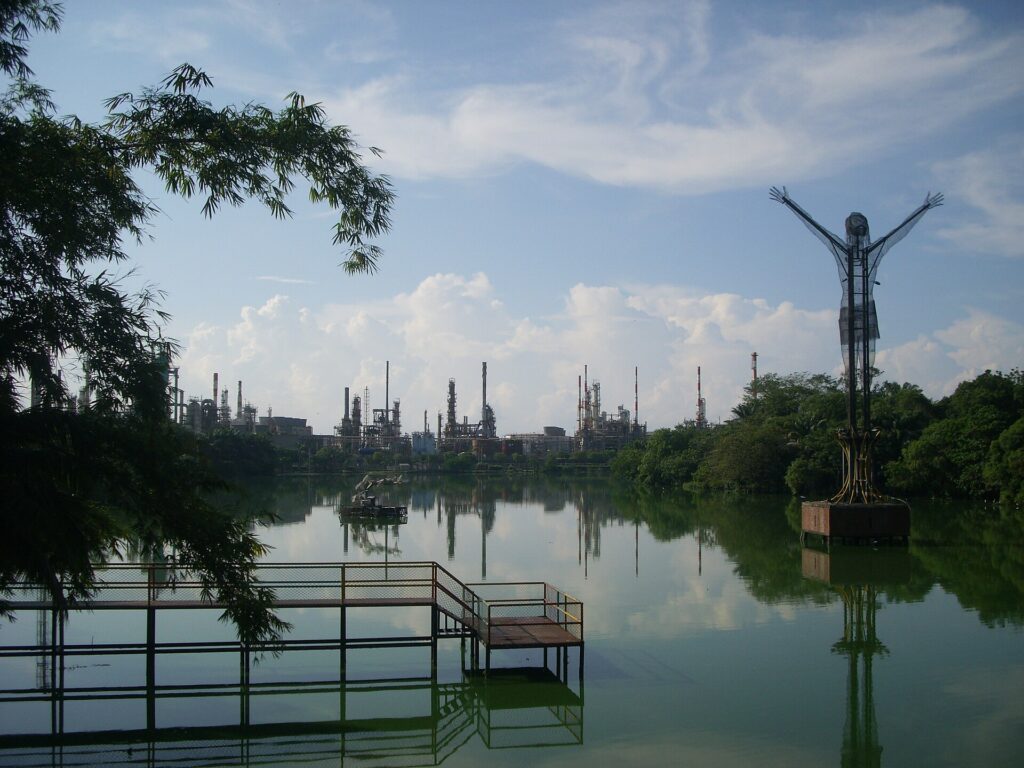
Ecopetrol is not just another listed company. It accounts for roughly 60% of Colombia’s hydrocarbon output, runs the Barrancabermeja refinery, one of the largest in Latin America, and spans exploration, transport and power. Changes at its top ripple through the national budget and the wider energy sector alike.
That scale also makes the company a lightning rod in Colombian politics. Every government since its partial listing has faced the temptation to steer it, and the current transition is only the latest chapter in a long tug-of-war between political control and market discipline.
Why an Extraordinary Meeting, and Why September
Ecopetrol holds its ordinary meeting once a year, but board changes of this scale require a dedicated extraordinary session. Calling one in September would give the new government time to take office, agree a slate of directors and put it to a vote it is all but certain to win.
Three board seats are already open. Ángela María Robledo, Tatiana Roa Avendaño and Juan Gonzalo Castaño have left, and their replacements are the immediate business of the meeting. Robledo and Roa Avendaño resigned on 23 July, effective 31 July, citing personal reasons.
On the same day, Luis Felipe Henao Cardona took over as board chair, with Hildebrando Vélez Galeano as vice-chair. Those interim moves keep the board functioning, but the September meeting is where the new government will stamp its own design on the body.
The board elected earlier in 2026 was chosen to serve out the 2025 to 2029 term, but shareholder control means the majority owner can revisit that composition. An extraordinary meeting is the formal route to do so between annual sessions, and the incoming government has every incentive to use it.
Live Company IntelligenceEcopetrol SA ADR — the full investor dossier
Wall Street view
Valuation & profitability
Price & risk
$8.1652-wk high
$18.38
Revenue trend · 6y
Ownership
Dividend
The Reshuffle Reaches the Subsidiaries
The overhaul is not expected to stop at the parent board. Colombian reporting indicates the changes will extend to Ecopetrol’s subsidiaries and to its corporate vice-presidencies, where the outgoing administration placed several trusted figures.
One early sign came in the executive ranks. Bayron Arley Triana Arias resigned as vice-president for the energy transition, effective 31 July, with Ernesto Gómez Cabarcas, head of the Barrancabermeja refinery, stepping in as acting vice-president from 1 August.
For a group that spans exploration, refining, transport and power, a reshuffle across the subsidiaries touches everything from the transport arm to the transmission and toll-road businesses. Investors will watch whether the new team signals continuity or a change of course.
Colombian outlets report the churn has already reached senior management beyond the energy-transition role, including corporate functions such as organisational talent. The pattern points to a broad clear-out of appointees linked to the outgoing administration rather than a single, isolated departure.
Key Facts
— Governance Snapshot
—State stake. The Colombian government owns 88.5% of Ecopetrol, giving it effective control of shareholder votes.
—Acting chief. Juan Carlos Hurtado Parra has led as acting president since 31 July 2026.
—Board chair. Luis Felipe Henao Cardona took the chair on 23 July, with Hildebrando Vélez Galeano as vice-chair.
—Open seats. Vacancies left by Ángela María Robledo, Tatiana Roa Avendaño and Juan Gonzalo Castaño await new directors.
—Next step. An extraordinary shareholders’ meeting is expected in early September 2026.
— Dates and names reflect company filings and Colombian reporting as of 3 August 2026 and may change.
From Roa’s Exit to a New Chief Executive
Roa returned briefly from a leave of absence before leaving on 30 July, closing a tenure marked by falling quarterly profits and by investigations tied to President Gustavo Petro’s 2022 campaign, which he had managed. He is presumed innocent and has sought a plea deal in that case.
Juan Carlos Hurtado Parra has been acting president since 31 July. A headhunter has been engaged to draw up a shortlist for a permanent chief executive, a process the incoming government is expected to shape once it is in office.
Naming a permanent chief executive aligned with the new administration is the other half of the reset. The board reconfigured in September and the eventual chief executive will together define Ecopetrol’s direction for the rest of the 2025 to 2029 term.
Roa had been on leave since late May 2026 while prosecutors examined his role, and wire services and the Colombian daily Portafolio characterised his eventual departure as a board-driven exit under legal and political pressure. His three-day return before leaving highlighted how orderly the handover was meant to look.
What the de la Espriella Government Wants
The president-elect has signalled he wants a board closer to his own programme. Jorge Mario Velásquez, the former head of construction and infrastructure group Grupo Argos, has been publicly floated by de la Espriella as a candidate for a seat.
The wider aim, as described by figures around the incoming administration, is to move Ecopetrol away from the exploration freeze pursued under Petro and to restore what they frame as a more technocratic, business-focused board.
How far that shift goes will depend on the names that emerge in September and on the permanent chief executive. Ecopetrol trades in Bogotá and New York under the ticker EC, and its US dollar bonds are widely held, so governance signals travel quickly to international investors.
Restoring what the incoming team calls a technocratic board is as much about signalling to markets as about policy. Ecopetrol halted new exploration contracts under Petro, and any softening of that stance would be read closely by analysts weighing the company’s long-term production outlook.
Reserves replacement is the crux. Without new exploration, a producer eventually depletes its base, so the board’s stance on drilling contracts will matter as much to Ecopetrol’s valuation as any single appointment made in September.
What It Means for Investors
For minority shareholders and bondholders, the reset cuts both ways. A cleaner break from a chief executive who left under legal scrutiny could help governance credibility; rapid turnover and an unfinished succession keep political risk in view.
Ecopetrol’s dividends are a major line in the national budget, so the make-up of the board carries fiscal as well as corporate weight. A market capitalisation of about US$34 billion means even modest re-ratings move real money.
The September meeting will be the first hard test of how the de la Espriella government intends to run the company it controls. Until then, the board sits in an interim shape, and the direction of travel is set but not yet detailed.
The Colombian peso and Ecopetrol’s dollar bonds have so far taken the transition in their stride, in part because Roa’s exit was long expected. The bigger test will be whether the September slate and the permanent chief executive reassure minority holders or deepen concerns about political influence.
For expatriates and foreign investors tracking Colombia, the episode is a case study in how state ownership and politics intersect. The outcome will help set the tone for the de la Espriella government’s relations with the markets that finance the country.
None of that will be resolved at a single meeting. But the September vote, and the chief executive who follows, will be the clearest early evidence of how the new administration balances political control against the confidence of investors.
This is reporting, not investment advice. Confirm current figures with official sources before acting.
More: Colombia news in English, every day from The Rio Times.
Frequently Asked Questions
Who now runs Ecopetrol?
Juan Carlos Hurtado Parra has been acting president since 31 July 2026, after Ricardo Roa left on 30 July. A search for a permanent chief executive is under way.
When is the extraordinary shareholders’ meeting?
It is expected in early September 2026. No exact date has been formally confirmed, and the timing depends on the incoming government.
Why is the board changing now?
Ricardo Roa’s departure and the arrival of president-elect Abelardo de la Espriella, who takes office on 7 August, have opened seats and prompted a wider reset of the board and subsidiaries.
Does the government control the outcome?
Yes. The Colombian state owns 88.5% of Ecopetrol, so any slate it supports at the meeting is very likely to pass.
What does it mean for Ecopetrol’s strategy?
The incoming administration signals a move away from the exploration freeze pursued under President Petro, but concrete policy will depend on the new board and chief executive.
Related reading
- Colombia Oil Giant Ecopetrol Board Shakeup, CEO Exits
- Ricardo Roa, Ex-Ecopetrol CEO, Seeks Plea Deal Over Petro Campaign
- Colombia’s Economy in 2026: The Complete Guide
Connected Coverage
Sources: Ecopetrol; Ricardo Roa; Abelardo de la Espriella.
This article was produced by The Rio Times’ automated newsroom system. How we use AI · Report an error
Read More from The Rio Times