Chile May Sell Water Utility Stake, Losing Veto Power
Rio Times · Chile
Key Facts
—What is for sale The state is weighing the sale of the residual stakes it kept in Chile’s big water utilities – roughly 5% each in Aguas Andinas, Essbio, Esval and Suralis, the utility formerly called Essal.
—Why 5% matters Those stakes were deliberately held back in 2011 to preserve a veto over transfers of water rights and concessions. Selling them sells the veto.
—Who holds them CORFO, the state development agency. It is a minority holder only; the utilities are privately controlled.
—Who controls the utilities Ontario Teachers’ Pension Plan holds roughly 89.6% of Essbio and 94.3% of Esval after buying CORFO’s blocks in 2011.
—The money Press estimates put potential proceeds at around US$150 million – small against the US$984 million CORFO raised selling 29.98% of Aguas Andinas alone in 2011.
—Status No official timetable has been published. The government has said it is evaluating a divestment.
Chile is not about to sell its water companies. It sold those years ago.
What is on the table is the small water utility stake it kept back – and the reason it kept it.
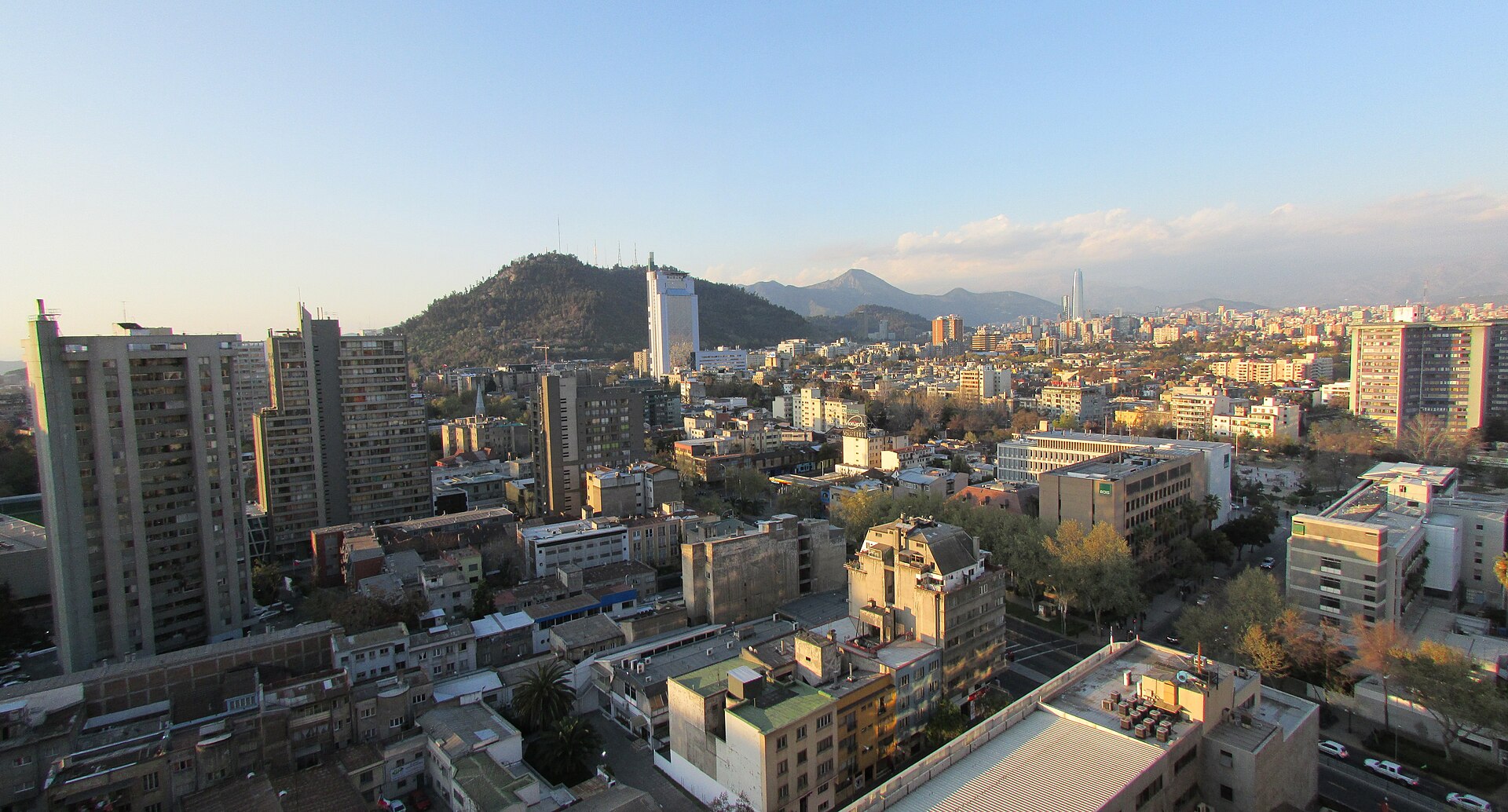
What Chile actually still owns
Chile privatised its water utilities in stages, and the decisive round came in 2011. CORFO, the state development agency, auctioned 29.98% of Aguas Andinas on the Santiago exchange for about US$984 million. Weeks later it sold 38.44% of Essbio and 24.43% of Esval, raising US$564 million between them. The buyer of both was Ontario Teachers’ Pension Plan, a Canadian fund that already controlled them.
In each case the state stopped short of selling everything. It kept about 5%. That was not an accident of pricing or a failure to place the last block. It was deliberate.
Ontario Teachers’ has since built its holdings to roughly 89.6% of Essbio and 94.3% of Esval. Against that, 5% buys no influence over dividends, tariffs or management. It was never meant to.
The 5% is a veto, not an investment
What the residual stake carries is a blocking right over transfers of water rights and of the concessions themselves. In a country where water is scarce and legally tradable, that is a specific and unusual power.
Chile is the only country in the world that fully privatised water rights, under a code written in 1981. Rights can be bought, sold and held separately from the land they sit under. Successive governments have argued about reforming that system for two decades.
The 5% is what a previous government kept so that a private owner could not move those rights, or hand the concession to someone else, without the state being able to say no. Selling the stake retires the veto.
That is the decision in front of Chile, and it is not the one a sale announcement would suggest. The question is not whether to sell an asset. It is whether to give up a right of refusal over who controls the water supply of Santiago, Valparaíso and the Bio Bío region.
What is and is not decided
No timetable has been published and no auction has been called. The government has said only that it is evaluating the divestment. Press estimates of the proceeds cluster around US$150 million. That estimate covers Aguas Andinas, Essbio and Esval; it is not clear whether Suralis would be included in the same sale.
Put beside the US$984 million the state raised from Aguas Andinas alone fifteen years ago, that is a modest sum, which is what makes the trade-off sharp: a small one-off payment against a permanent right.
One part of the sector is not affected. Econssa Chile, which holds concessions in the north and licenses operators such as Aguas del Valle, remains state-owned, with CORFO holding 99.17% and the treasury the rest. Econssa grants operating rights rather than selling shares, so it sits outside this discussion.
Why this matters beyond Chile
Chile is in a long drought and has just committed to lithium projects in the Atacama that depend on water management. The Rio Times reported this week on a US$3 billion plan whose central promise is using less brine and reinjecting more.
Water rights are the currency in all of those arguments. Who can transfer them, and who can block a transfer, is not a technicality – it is the mechanism.
For anyone living in or investing in Chile, the practical question is simple: after a sale, if a foreign owner of a regional utility wanted to move water rights or sell the concession on, who would be able to stop it?
Frequently Asked Questions
Is Chile selling its water companies?
No. The main utilities were sold to private investors in stages, with the decisive auctions in 2011. What is under consideration is the sale of the roughly 5% residual stakes the state kept afterwards.
What do the 5% stakes actually do?
They carry a veto over transfers of water rights and of the concessions. They do not give the state meaningful influence over tariffs, dividends or management.
Has a sale been agreed?
No. The government has said it is evaluating a divestment. No timetable, auction or price has been announced, and press estimates of around US$150 million are estimates rather than official figures.
Sources: CORFO privatisation records · Ontario Teachers’ Pension Plan disclosures · Econssa Chile corporate filings · Chilean press reporting
Connected Coverage
This article was produced by The Rio Times’ automated newsroom system. How we use AI · Report an error
Read More from The Rio Times