Africa Intelligence Brief — Tuesday, October 20, 2026
Executive Summary
Africa Intelligence Brief for October 20: DR Congo Ebola reaches eighth province amid US$700M aid distrust; Kenya Shakahola convictions.
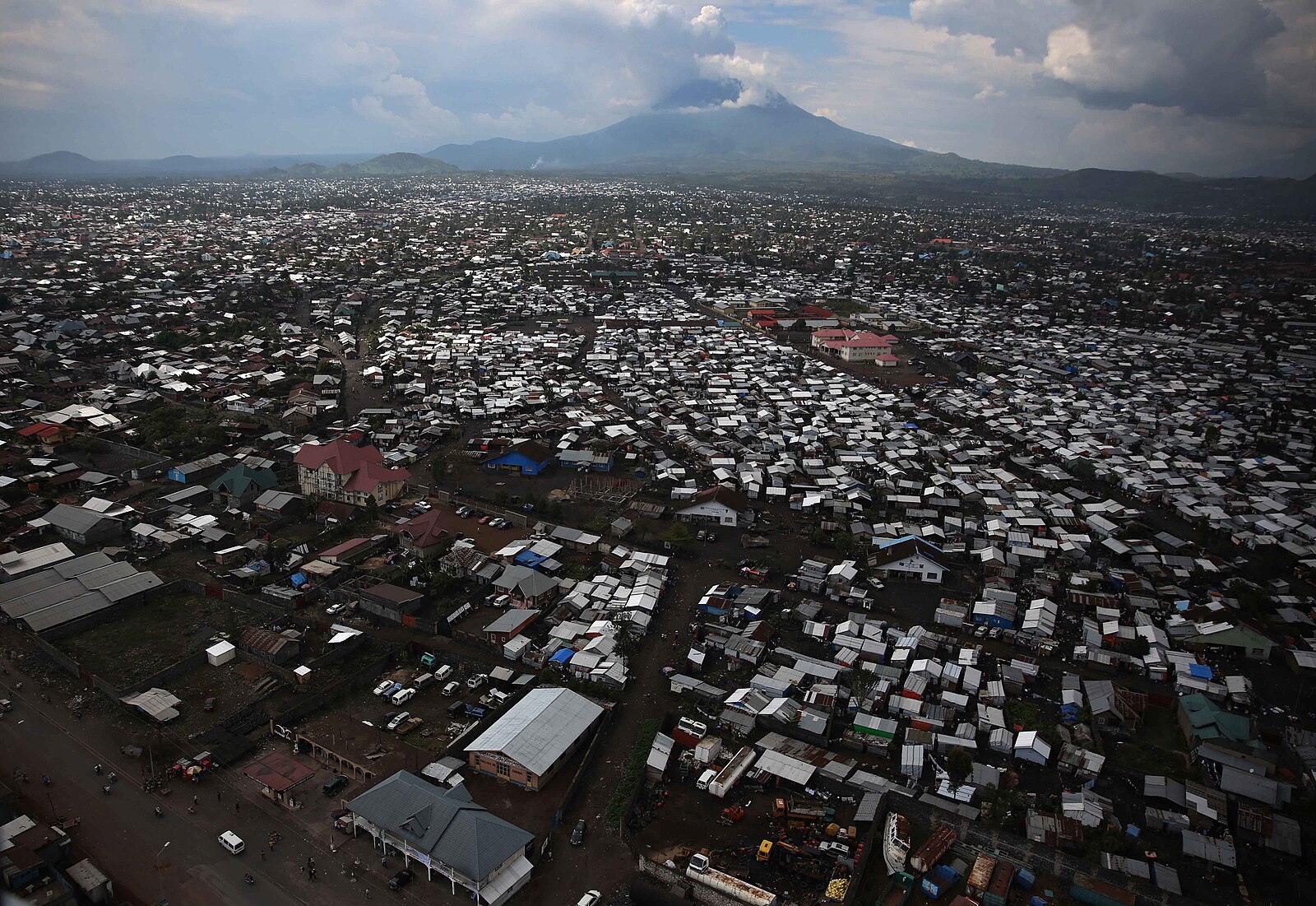
Africa’s temper this Tuesday is a mixture of legal reckoning, epidemiological alarm and economic defensiveness. Kenya has moved from waiting for a verdict to absorbing convictions in the Shakahola starvation-cult case, while the Democratic Republic of Congo is watching Ebola reach an eighth province and questioning where US$700 million in aid has gone. The region is not calm, but it is also not in a single unified panic; it is in a state of heightened alert across health, security and fiscal fronts.
The register is one of official insistence and public demand for accountability. President Bola Tinubu is defending the permanent removal of Nigeria’s fuel subsidy, President Cyril Ramaphosa is warning of a devastating trade rupture with the United States, and Congolese officials are pressing aid organisations to explain their finances. Leaders are speaking the language of no retreat, while courts deliver verdicts and citizens absorb the consequences of disease, violence and scarcity.
The through-line is the collision between institutional authority and events that outpace it. A court can convict, but it cannot immediately heal the grief of 191 murders; a government can defend a subsidy policy, but it cannot erase the financing gap facing black-owned businesses; a president can warn about trade preferences, but he cannot control how long a foreign government chooses to extend them. The day’s developments are expressions of a region where power is being tested by forces that do not respect borders or political calendars.
Key Facts
DR Congo Ebola. The outbreak reached an eighth province with US$700 million in aid unaccounted for.
Kenya Shakahola. Paul Mackenzie and 28 associates were convicted of murdering 191 people, including 190 children.
Nigeria air strikes. Operation Hadin Kai said it neutralised 103 terrorists in seven air strikes from 10 to 18 October.
South Africa AGOA. President Ramaphosa warned losing US trade preferences would be devastating.
Uganda killing. Exiled Rwandan critic Robert Kabera was found beheaded near Kampala over the weekend.
DR Congo: Emergency Fatigue Meets Aid Distrust
The reported spread of Ebola into an eighth Congolese province is the most consequential health development in the available record, and it is made worse by the simultaneous dispute over US$700 million in unaccounted aid. Africanews reported on 15 October that Africa CDC and Congolese health authorities were seeking explanations from aid organisations about their finances. The mood is one of emergency fatigue, where communities are being asked to endure another outbreak while trust in the international response erodes.
A US reader should see this as a warning about the fragility of epidemic response when money and disease move in opposite directions. The fact that cases have also been reported in Kenya and Uganda means the outbreak is no longer a single-country problem but a regional one. Washington’s interest in African health security is directly engaged, because an uncontrolled outbreak in the Great Lakes region can quickly become a global concern.
Kenya: Grief Finds A Legal Name
The conviction of preacher Paul Mackenzie and 28 associates for the murder of 191 people, including 190 children, is a moment of legal clarity after years of horror. Africanews reported on 20 October that more than 400 bodies had been recovered from the Shakahola area and that sentencing is expected on 6 November. The verdict does not end the grief, but it gives the families and the nation a formal acknowledgment that the deaths were crimes, not accidents of faith.
A US reader should understand that this case is about more than one preacher; it is about the limits of religious freedom and the duty of the state to protect the vulnerable. The fact that almost all the victims were children makes the moral weight of the judgment especially heavy. Kenya’s judiciary has now done what many feared it would not, and the sentencing will be watched as a measure of whether the punishment matches the scale of the loss.
Nigeria: Defiance And The Cost Of Security
President Bola Tinubu’s statement that Nigeria will not restore the fuel subsidy and that he has no regret over its removal is a declaration of political will in the face of public pressure. Daily Trust reported on 20 October that the president was unapologetic, even as the policy continues to shape household budgets. The mood in Nigeria is one of defiance mixed with economic strain, because the government is asking citizens to accept permanent pain for promised long-term gain.
At the same time, the military’s claim to have neutralised 103 terrorists in seven air strikes between 10 and 18 October shows that the security campaign in the north-east is being presented as a success. Vanguard, carried by AllAfrica on 20 October, reported the military’s account indirectly, without independent verification of casualties. A US reader should note that Nigeria is fighting on two fronts at once: an economic front where the president refuses to retreat, and a security front where the state claims progress against insurgents.
South Africa: Trade Anxiety And Strategic Adaptation
President Cyril Ramaphosa’s warning that losing preferential access to the United States under AGOA would be devastating is a rare admission of external vulnerability from Africa’s most industrialised economy. Africanews reported on 20 October that Ramaphosa urged preparation for alternative markets. The mood is one of unease without panic, because the threat is real but not yet realised.
A US reader should read this as a signal that South Africa is already hedging against a possible rupture in its most important trade relationship. The call to seek alternative markets is not just diplomatic language; it is a recognition that the country cannot assume permanent American goodwill. The AGOA extension runs only to December 2028, far short of the 15 years South Africa wanted, and that short horizon shapes South African economic planning.
Uganda And Rwanda: Exile, Security And A Beheading
The reported killing of Robert Kabera, a former Rwandan soldier and critic of President Paul Kagame, found beheaded near Kampala over the weekend, has injected a sharp note of fear into the region’s exile politics. Africanews reported on 20 October that Ugandan police said his head had not been recovered. The killing raises immediate questions about the safety of political exiles and the reach of cross-border violence.
A US reader should see this as a reminder that the Great Lakes region remains a zone of unresolved political scores and quiet threats. The fact that Nigeria’s Chief of Army Staff, Lieutenant General Waidi Shaibu, is visiting Rwanda for five days of defence talks, as AllAfrica reported on 20 October, adds a layer of military diplomacy to an already tense landscape. The visit, due to end on 23 October, covers training, personnel exchanges and logistics, suggesting that Abuja and Kigali are deepening their security relationship even as the region absorbs a brutal political killing.
What This Means From Latin America
The trade anxiety in South Africa over AGOA access has a direct resonance for Latin American economies that also depend on preferential access to the United States. When a major African economy warns that losing trade preferences would be devastating, it is a reminder that the rules of global commerce are shifting and that no region can take American market access for granted. Latin American governments watching Pretoria’s hedging strategy will recognise the logic of seeking alternative markets before a crisis arrives.
The Ebola spread in the Great Lakes region also carries a public-health lesson for Latin America. Outbreaks that begin in one African province can quickly become regional emergencies, and the dispute over US$700 million in unaccounted aid shows how quickly institutional trust can collapse during an epidemic. Latin American health authorities have their own experience with epidemic response and will understand that money without accountability is as dangerous as the disease itself.
What We Are Watching
- Wednesday 21 October, 4:00 a.m. ET: South Africa inflation rate — September data is due with a forecast of 4.6 per cent against 4.4 per cent. A rise would test the central bank’s stance and public tolerance for price pressures.
- Wednesday 21 October, 4:00 a.m. ET: South Africa core inflation rate — September data is due with a forecast of 4.1 per cent against 4.1 per cent. Stability would suggest underlying price pressures are not accelerating.
- Wednesday 21 October, 7:00 a.m. ET: South Africa retail sales — August data is due with a forecast of 1.8 per cent year-on-year against 3.4 per cent. A slowdown would signal weakening consumer demand.
- Thursday 22 October, 4:00 a.m. ET: Morocco inflation rate — September data is due with a forecast of 1 per cent against 0.8 per cent. A rise would add to cost-of-living pressures in a key North African economy.
- Friday 23 October: End of Nigerian Army Chief Waidi Shaibu’s Rwanda visit — The five-day visit covers military training, personnel exchanges and logistics. Its conclusion may bring a communiqué on deeper security cooperation.
- Friday 6 November: Expected sentencing in Kenya’s Shakahola case — Paul Mackenzie and 28 co-defendants face sentencing after their murder convictions. The punishment will be read as a measure of judicial resolve.
Background: Africa: The New Scramble — why the world’s powers are competing for the continent.
Frequently Asked Questions
What is the Shakahola case about?
The Shakahola case involves preacher Paul Mackenzie and 28 associates convicted of murdering 191 people, including 190 children, after followers were allegedly encouraged to starve themselves. More than 400 bodies were recovered from the area, and sentencing is expected on 6 November 2026.
How serious is the Ebola outbreak in DR Congo?
The outbreak has reached an eighth Congolese province, with cases also reported in Kenya and Uganda. Africanews reported on 20 October that US$700 million in Ebola aid was unaccounted for, deepening distrust in the response.
Why is South Africa worried about AGOA?
President Cyril Ramaphosa warned that losing preferential access to the United States under AGOA would be devastating for the economy. The programme has been extended through December 2028.
What is Nigeria’s position on the fuel subsidy?
President Bola Tinubu said Nigeria will not restore the fuel subsidy and that he has no regret over its removal. The government is defending the policy as a permanent structural reform despite public pressure over living costs.
This article was produced by The Rio Times’ automated newsroom system. How we use AI · Report an error · Editorial responsibility: Matthias Camenzind, Editor-in-Chief
LatAm Markets: Live Signals → — real-time movers, turnover leaders and FX across Latin America.