Colombia’s Energy Strategy Tested by Declining Gas Output and Growing Import Dependence
Colombia’s energy sector stands at a crossroads as official data and industry sources confirm a sharp rise in natural gas imports and a steady decline in domestic production.
In 2024, Colombia imported almost 20% of its gas consumption, up from previous years, as domestic output dropped by 9.5% to 958.8 million cubic feet per day.
These figures, sourced from recent industry and regulatory reports, reveal a growing reliance on liquefied natural gas (LNG) from the United States and Trinidad and Tobago.
This shift comes as water levels in Colombia’s hydroelectric dams, which usually supply 70% of the nation’s electricity, fell to historic lows. Hydropower shortfalls forced grid operators to turn to gas-fired plants, making LNG imports essential to keep the lights on.
September 2024 saw LNG imports hit 150,000 metric tons, up from 120,000 a year before, with tankers arriving at the Cartagena terminal to maintain power generation.
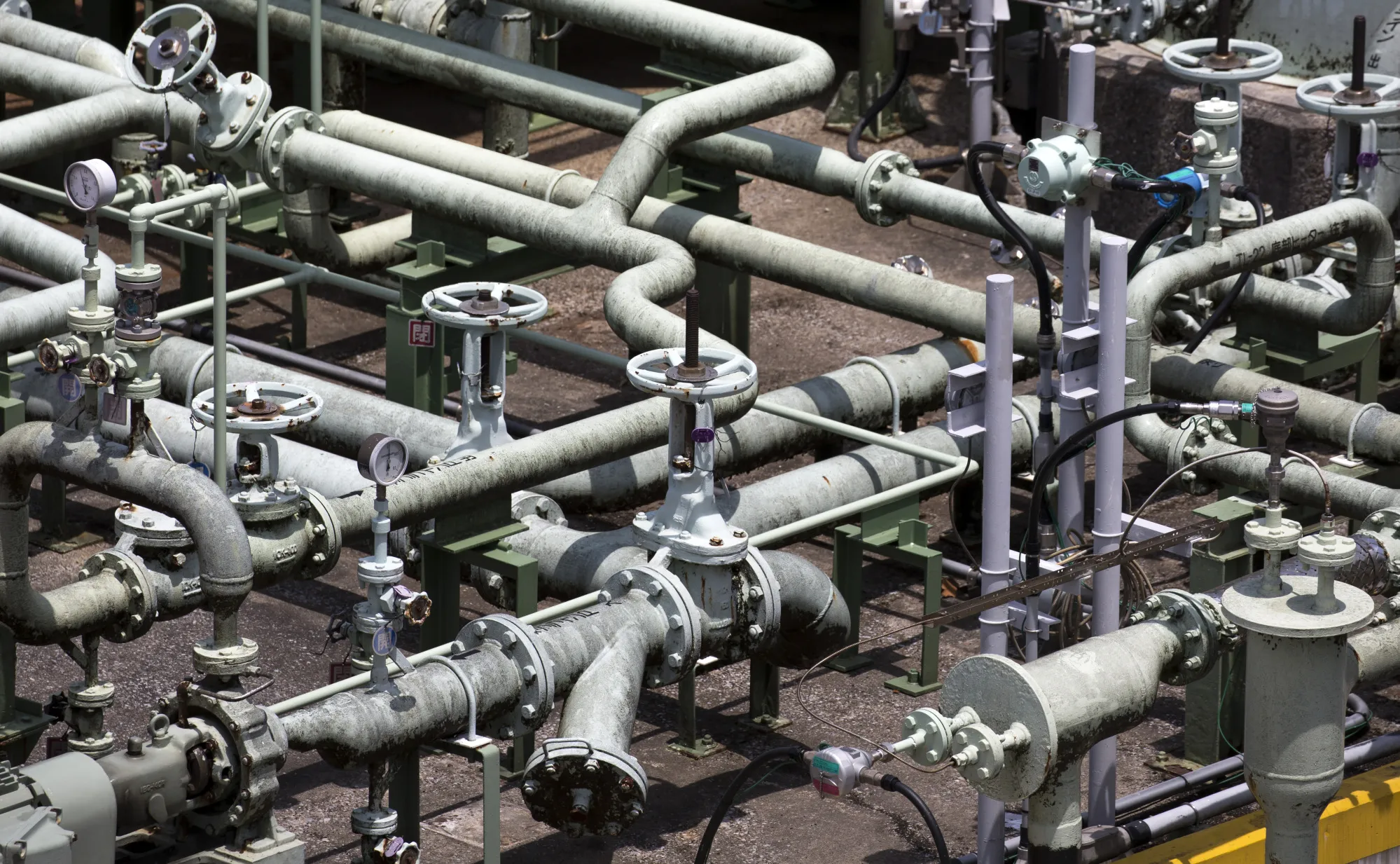
The government under President Gustavo Petro has halted new oil and gas exploration contracts, aiming to reduce fossil fuel dependence and promote renewables.
Officials claim this strategy will drive Colombia’s $40 billion energy transition plan, which targets diversification and decarbonization. However, critics argue that the policy creates an artificial supply crunch, forcing reliance on expensive imports.
Colombia’s Energy Transition Strains as Gas Shortages
They claim this undermines both energy security and the country’s climate goals. Colombia’s commodities exchange projects that domestic gas production will fall short of demand by 5% this year, and by 17% in 2026.
Industry data show natural gas reserves could last only six years at current production rates. Oil and coal, which together bring in over $20 billion annually and account for about half of export revenue, also face decline.
The government’s refusal to allow new exploration contracts has sparked debate over whether the country can maintain self-sufficiency or risks long-term economic harm.
Business leaders warn that rising energy costs will hit households and industry, threatening competitiveness and increasing inflation. The country’s main gas transporters are investing heavily in infrastructure, but the gap between supply and demand is set to widen.
Offshore gas projects could help, but they remain years from production and face high costs and logistical hurdles. Colombia’s energy transition, while ambitious, now faces mounting structural challenges.
The country must balance environmental ambitions with the urgent need to secure affordable, reliable energy for its economy and people.
More: Colombia news in English, every day from The Rio Times.
Live Market IntelligenceColombia — Live Market Board
Rio Times · Live Market Intelligence
Colombia — Live Market Board
-0.55%
205,430.33
+0.54%
67,663.29
+1.31%
10,969.16
-0.02%
2,848,945
-0.35%
2,566.28
-0.55%
60,210.69
-0.91%
| Instrument | Last | Change | YoY | Prev. | High | Low | Volume |
|---|---|---|---|---|---|---|---|
| COLCAP | 2,566.28 | -0.55% | — | 9.04 | 9.05 | 9.02 | 4,133 |
| USD/COP | 3,140 | +0.03% | -22.04% | 3,139 | 3,141 | 3,105 | — |
| BRENT | 88.88 | -0.03% | +34.42% | 88.91 | 90.07 | 88.12 | 29,713 |
| WTI | 83.11 | -0.11% | +31.57% | 83.20 | 84.35 | 82.40 | 166,848 |
| ECOPETROL | 16.92 | -0.53% | +98.01% | 17.01 | 17.05 | 16.79 | 737,591 |
| BANCOLOMBIA | 95.87 | -2.18% | +96.15% | 98.01 | 100.36 | 95.73 | 188,740 |
| GRUPO AVAL | 5.40 | +2.66% | +76.89% | 5.26 | 5.49 | 5.32 | 146,447 |
| TECNOGLASS | 42.30 | -1.10% | -48.04% | 42.77 | 42.73 | 42.05 | 60,908 |
| CREDICORP | 375.17 | -0.49% | +49.60% | 377.00 | 384.43 | 372.27 | 88,375 |
| BUENAVENTURA | 34.45 | -1.02% | +88.07% | 34.80 | 35.62 | 34.33 | 275,831 |
| SOUTHERN COPPER | 193.97 | -0.26% | +104.01% | 194.48 | 199.36 | 192.59 | 367,102 |
This article was produced by The Rio Times’ automated newsroom system. How we use AI · Report an error · Editorial responsibility: Matthias Camenzind, Editor-in-Chief
In depth