Colección Amalita Exhibition Traces 300 Years of Argentine Art
Art & Culture: Buenos Aires
Key Facts
—Exhibition. “Reunión en neocriollo. Colección Marcelo E. Pacheco” runs until 27 September 2026 at the Colección de Arte Amalia Lacroze de Fortabat — known as Colección Amalita — in Puerto Madero, Buenos Aires.
—Scope. The show traces the evolution of art collecting in Argentina from the colonial viceroyalty to the end of the 20th century.
—Curator. Santiago Villanueva assembles paintings, objects and archive documents from the personal collection of the critic and art historian Marcelo E. Pacheco.
—Structure. The display turns on three chronological anchors — the 1920s, the 1960s and the 1990s — rather than a strict timeline.
—Highlights. Featured artists include Emilio Pettoruti, Alfredo Guttero, Raquel Forner, Víctor Grippo, Oscar Bony and Víctor Cunsolo, framed by Xul Solar’s 1922 notion of the “neocriollo.”
The Colección Amalita in Puerto Madero has opened “Reunión en neocriollo,” a sweeping survey of Argentine art from the viceroyalty to the late 20th century, drawn almost entirely from the private collection of the curator Marcelo E. Pacheco.
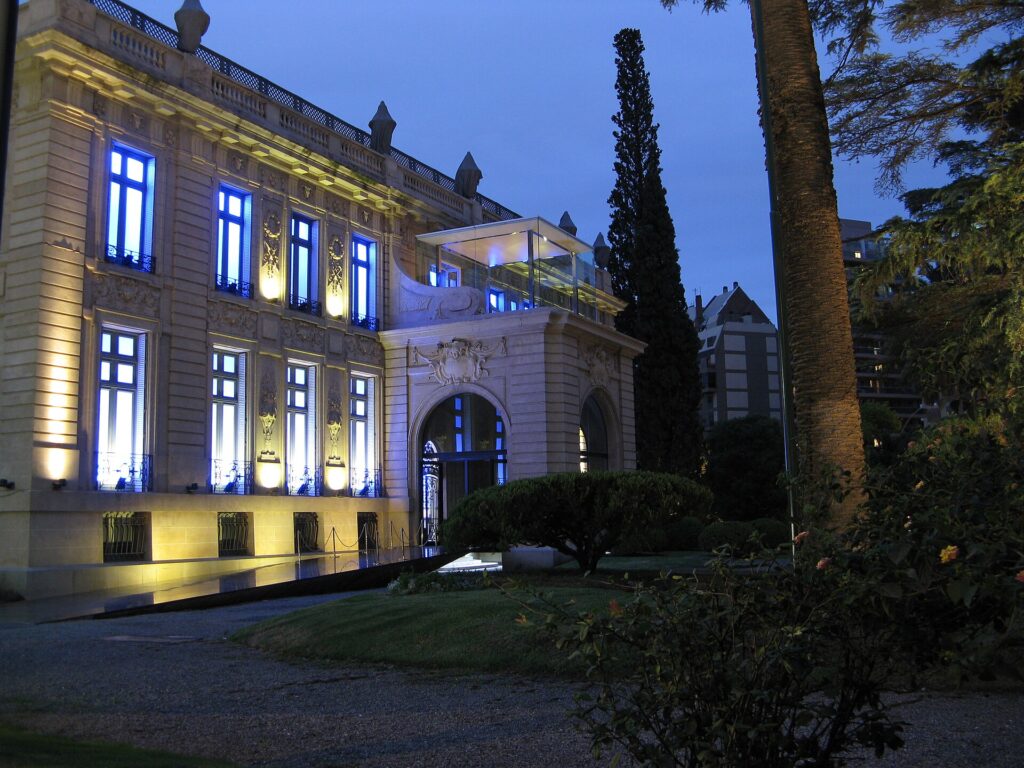
What Is on Show at the Colección Amalita
The Colección Amalita, the Buenos Aires museum built around the art holdings of the late businesswoman Amalia Lacroze de Fortabat, is presenting “Reunión en neocriollo. Colección Marcelo E. Pacheco” until 27 September 2026. It gathers paintings, objects and archival material assembled over decades by one of Argentina’s best-known curators.
Rather than a conventional parade of famous names, the show is conceived as a visual essay about how a critic, historian and collector build a personal canon. It sets works of art beside the notes, documents and relationships that shaped how Pacheco came to understand them.
The pieces come from many sources — family inheritances, purchases, exchanges and gifts — and span several eras. That mix is the point: the exhibition is as much about the act of collecting as about the individual artworks on the wall.
A Private Collection Turned Public Essay
Marcelo E. Pacheco, born in 1959 and a graduate of the University of Buenos Aires, is a familiar figure in the country’s art institutions. He has organized more than fifty exhibitions and held senior roles at the Museo Nacional de Bellas Artes, the Fundación Espigas and the Museo de Arte Latinoamericano de Buenos Aires, better known as MALBA.
For a foreign visitor, that background matters. Pacheco is not simply a wealthy buyer; he is a scholar whose research has helped shape how Argentine art history is written. Showing his private collection is a way of putting that intellectual work on public display.
The curator Santiago Villanueva organizes the material as an argument rather than a catalogue. Archive documents sit alongside paintings, inviting visitors to see how images become raw material for ideas, essays and future exhibitions.
From the Viceroyalty to the 1990s
The exhibition’s reach is deliberately long. It follows the evolution of art collecting in Argentina from the colonial viceroyalty — the Spanish administrative era that ended in the early 19th century — through to the close of the 20th century.
To keep that span legible, the display is organized around three chronological anchors: the 1920s, the 1960s and the 1990s. These were decades when Argentine art and its institutions went through visible change, and the show uses them as reference points rather than rigid chapters.
Among the works on view are Víctor Cunsolo’s “Atardecer gris” (1928), Oscar Bony’s “La confesión de Pettoruti” (1994), Raquel Forner’s untitled 1974 canvas and Víctor Grippo’s “Cajita de crítico sagaz” (1978), alongside earlier pieces by Emilio Pettoruti and Alfredo Guttero.
The Idea Behind the ‘Neocriollo’
The exhibition’s title borrows a term coined by the Argentine artist Xul Solar in 1922. “Neocriollo” was his word for a distinctly American culture and language, one that deliberately blurred national borders across the region.
Used as a framing device, the idea signals that the collection resists neat national labels. It reads Argentine art as part of a wider Latin American conversation, with porous edges rather than fixed frontiers.
For readers new to the country, this is a useful entry point. It shows that debates about identity and belonging have run through Argentine art for a century, long before today’s discussions about regional culture and its place in the world.
Visiting the Museum in Puerto Madero
The Colección Amalita sits in Puerto Madero, the redeveloped dockland district on the eastern edge of downtown Buenos Aires. The neighbourhood’s restored brick warehouses and modern glass towers make it one of the city’s most walkable areas for visitors.
The museum, designed by the Uruguayan-born architect Rafael Viñoly, opened in 2008 to house the collection of Amalia Lacroze de Fortabat, an heiress to the Loma Negra cement fortune and once one of Argentina’s wealthiest women. For current hours and admission, the museum publishes details on its official website.
For expatriates and tourists, the show offers a compact introduction to Argentine art without the scale of a national museum. The building is a short walk from the Puente de la Mujer footbridge and the riverside promenade, making it easy to combine with an afternoon in the district.
Why the Show Matters
Argentina’s art scene is anchored by large institutions such as MALBA and the Museo Nacional de Bellas Artes, but privately built collections have long shaped what the public actually sees. “Reunión en neocriollo” puts that private dimension centre stage.
By opening a single scholar’s collection, the museum highlights how personal taste, research and relationships influence a country’s cultural memory. It is a reminder that art history is assembled by individuals, not handed down whole.
For a foreign audience, the exhibition doubles as a crash course in Argentine art across two centuries, seen through one expert eye. It runs until 27 September 2026, giving visitors a wide window to catch it before it closes.
More: Argentina news in English, every day from The Rio Times.
Frequently Asked Questions
What is the “Reunión en neocriollo” exhibition?
It is a temporary show at the Colección Amalita in Buenos Aires, curated by Santiago Villanueva, presenting paintings, objects and archives from the private collection of critic and art historian Marcelo E. Pacheco, and tracing art collecting in Argentina from the viceroyalty to the late 20th century.
Where and until when can I see it?
The exhibition runs until 27 September 2026 at the Colección de Arte Amalia Lacroze de Fortabat, known as Colección Amalita, in the Puerto Madero district of Buenos Aires.
Which artists are included?
Featured names include Emilio Pettoruti, Alfredo Guttero, Raquel Forner, Víctor Grippo, Oscar Bony and Víctor Cunsolo, with the show framed by Xul Solar’s 1922 concept of the “neocriollo.”
Sources
Connected Coverage
LatAm Expat & Nomad culture coverage — Buenos Aires arts scene.
Sources: Infobae; Colección Amalita (coleccionamalita.org.ar).
This article was produced by The Rio Times’ automated newsroom system. How we use AI · Report an error
Read More from The Rio Times