Argentina Winter Holidays 2026 Hit 4.6M Tourists, US$1.4B Spend
Travel: Argentina
Key Facts
—Headline. Argentina’s 2026 winter holidays drew 4.6 million tourists, up 5.9% on 2025, according to the business chamber CAME.
—Spending. Travellers spent about ARS 2.12 trillion (about US$1.41 billion) across the country’s tourist circuit, a 2.5% real gain over last year.
—Mix. Domestic travel supplied 4.2 million trips, while roughly 400,000 foreign visitors, many of them Brazilians, helped offset softer local demand.
—Leaders. Bariloche led with occupancy near 85%, followed by Ushuaia, San Martín de los Andes, Villa La Angostura, Esquel and Malargüe.
—Context. CAME called the season atypical, shaped by the football World Cup, late mountain snow and a tighter spending environment.
Argentina’s winter break drew 4.6 million travellers in 2026, nearly 6% more than a year earlier, as late snowfall and a record wave of foreign visitors offset weaker domestic demand.
The Headline Numbers
According to the Confederación Argentina de la Mediana Empresa (CAME), 4.6 million tourists travelled within Argentina during the 2026 winter holidays, a 5.9% increase over the same period in 2025. Of those, 4.2 million were domestic travellers and about 400,000 came from abroad.
Spending reached roughly ARS 2.12 trillion (about US$1.41 billion) across the cities that make up the national tourist circuit. Measured at constant prices, that represented a 2.5% real increase on the previous year, a modest but positive result.
The average stay edged up to four days, from 3.9 a year earlier, while average daily spending came in around ARS 115,115 (about US$76), which CAME noted was 5.6% lower in real terms than in 2025.
Why CAME Called the Season “Atypical”
The chamber described the 2026 winter break as unusual, shaped by three overlapping factors: the football World Cup, unstable weather that delayed mountain snow, and an economic climate it called more restrictive than usual.
The timing mattered. With the tournament in its final stretch, thousands of Argentines travelled abroad, many to the United States, to follow the national team. That pulled spending away from some domestic destinations, especially the Atlantic coast.
Snow also arrived late. Heavy falls in the second half of July eventually improved conditions at ski centres, but operators spent the early weeks worried about a soft domestic market before the weather turned.
Foreign Visitors Cushion the Dip
The clearest bright spot was inbound tourism. Around 400,000 foreign visitors travelled during the break, many drawn by snow and, CAME suggested, by the profile Argentina gained through its national football team’s World Cup run.
Brazilians featured prominently among those arrivals, helping sustain occupancy at mountain resorts even as domestic demand cooled. Ushuaia, in the far south, was again a favourite among Brazilian travellers.
The broader trend is striking. In the first half of 2026, Argentina received 3.1 million foreign tourists, its highest level in years according to the statistics agency Indec, with a record 1.43 million arriving from non-neighbouring countries.
Where Argentines and Visitors Went
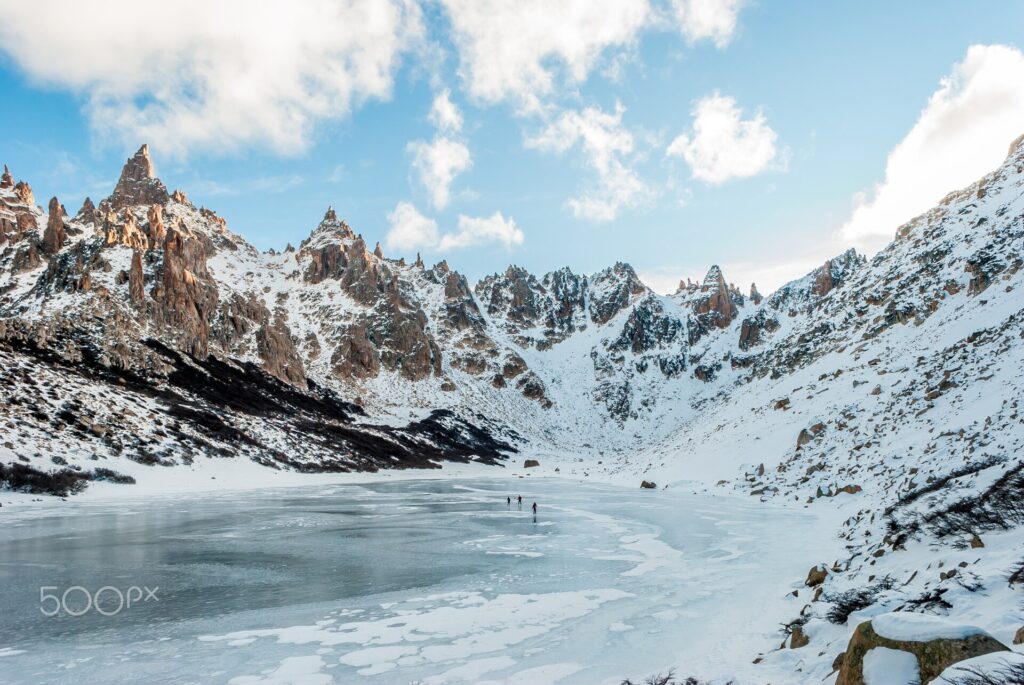
Snow and mountain destinations posted the strongest results. Bariloche led the season with occupancy close to 85%, followed by Ushuaia, San Martín de los Andes, Villa La Angostura, Esquel and Malargüe.
Beyond the ski belt, provinces including Mendoza, Córdoba, Salta, Jujuy, Tucumán, La Rioja and Catamarca performed well, buoyed by cultural, gastronomic and sporting calendars. Online bookings through one major platform rose about 15% year on year.
The contrast was the Atlantic coast and much of Buenos Aires province, which recorded one of their weakest winters in years as demand and tourist spending shifted toward the mountains and abroad.
Prices, Day-Trippers and Stretched Budgets
Spending patterns pointed to caution. Average daily outlays fell 5.6% in real terms year on year, and CAME noted a rise in day-trippers, or excursionistas, who visited destinations offering festivals, food events and other draws without booking overnight stays.
Cost comparisons help explain the choices. A pricing survey put a family week at about US$3,420 in Córdoba, US$3,625 in Mendoza and US$4,213 in Salta, with Bariloche the most expensive at roughly US$4,859, driven largely by lodging costs.
The season also stretched at its edges. Early-August celebrations of the Pachamama in northern provinces such as Jujuy, Salta and Catamarca, with artisan fairs and folk festivals, extended tourist activity a few days beyond the formal winter break.
What It Signals for Travellers and the Economy
For foreign residents and would-be visitors, the season underlines Argentina’s growing pull as a winter destination, particularly for snow. Surveys concluded that, once airfares were factored in, holidaying inside Argentina remained more convenient than travelling abroad, helping keep domestic circuits busy despite tighter budgets.
The record inflow of foreign tourists also matters for the wider economy, bringing hard currency into hotels, restaurants and transport at a time when the government is watching every dollar of its reserves.
Not everything ran smoothly. The start of the break coincided with a sharp deterioration in air travel: between 17 and 19 July only about 61% of flights left on time, down from 83% a year earlier, while cancellations spiked. It was a reminder that infrastructure strains can still shape the experience even in a growing market.
More: Argentina news in English, every day from The Rio Times.
Frequently Asked Questions
How many tourists travelled during Argentina’s 2026 winter holidays?
According to CAME, 4.6 million tourists travelled within Argentina during the 2026 winter break, up 5.9% on 2025. That figure included 4.2 million domestic travellers and about 400,000 foreign visitors.
How much did winter tourism generate?
Travellers spent about ARS 2.12 trillion (about US$1.41 billion) across the national tourist circuit, a 2.5% real increase over 2025. The average stay was four days, with daily spending near ARS 115,115 (about US$76).
Which destinations were most popular?
Mountain and snow destinations led, with Bariloche at close to 85% occupancy, followed by Ushuaia, San Martín de los Andes, Villa La Angostura, Esquel and Malargüe. Mendoza, Córdoba, Salta and several northern provinces also performed well.
Connected Coverage
LatAm Expat & Nomad travel coverage from The Rio Times.
Sources: CAME; Infobae; Río Negro.
This article was produced by The Rio Times’ automated newsroom system. How we use AI · Report an error
Read More from The Rio Times