IBOV 205,333.25 ▲ 0.49% IPSA 10,974.12 ▲ 0.02% IPC MEX 67,663.29 ▲ 1.31% MERVAL 2,859,051 — 0.00% COLCAP 2,580.50 ▼ 0.07% BVL PERÚ 59,543.73 ▲ 1.12% USD/BRL5.07▼ 0.47% USD/MXN18.40▼ 0.07% USD/CLP980.46▼ 0.08% USD/COP3,170▼ 0.78% USD/PEN3.41▼ 0.68% USD/ARS1,513— 0.00% USD/UYU40.13▲ 3.08% USD/PYG5,686▲ 3.07% USD/BOB11.61▲ 2.27% USD/DOP61.26▲ 0.43% USD/CRC448.47▲ 1.59% USD/GTQ7.65▲ 3.30% USD/HNL26.86▲ 0.34% USD/NIO36.62▼ 0.07% USD/VES877.92▼ 0.13% USD/PAB1.00— 0.00% USD/BZD2.00— 0.00% USD/JMD 157.28 — 0.00% USD/TTD6.73▲ 2.13% EUR/BRL5.71▲ 1.21% BRENT 88.88 ▼ 0.03% WTI 83.11 ▼ 0.11% IRON ORE 161.91 — — COPPER 6.61 ▲ 0.03% GOLD 4,461 ▲ 1.78% SILVER 65.59 ▲ 1.26% SOY 1,184 ▲ 3.20% CORN 480.50 ▲ 10.02% WHEAT 655.00 ▲ 3.93% COFFEE 317.25 ▼ 5.51% SUGAR 16.43 ▼ 1.79% ORANGE JUICE 138.55 ▼ 0.47% COTTON 85.03 ▲ 2.33% COCOA 5,719 ▲ 3.18% BEEF 223.60 ▼ 3.93% CATTLE 339.10 ▼ 3.16% LITHIUM 75.20 ▲ 1.47% PETR4 41.64 ▼ 0.05% VALE3 72.97 ▲ 0.83% ITUB4 38.60 ▼ 1.03% BBDC4 16.85 ▲ 0.36% ABEV3 14.89 ▼ 0.80% BBAS3 19.37 ▲ 0.47% B3SA3 14.26 ▼ 0.21% WEGE3 47.59 ▲ 0.49% PRIO3 59.14 ▼ 0.19% SUZB3 41.33 ▲ 2.35% RENT3 34.68 ▼ 0.09% AZZA3 15.89 ▼ 2.63% CSAN3 3.22 ▼ 1.83% RAIZ4 0.25 — 0.00% PCAR3 2.75 ▼ 0.36% GMAT3 3.65 ▼ 1.08% PSSA3 48.13 ▼ 0.54% CVCB3 1.33 ▼ 2.92% POSI3 3.36 ▲ 2.44% SLCE3 13.34 ▲ 0.30% NATU3 8.14 ▼ 0.73% IBOV 205,333.25 ▲ 0.49% IPSA 10,974.12 ▲ 0.02% IPC MEX 67,663.29 ▲ 1.31% MERVAL 2,859,051 — 0.00% COLCAP 2,580.50 ▼ 0.07% BVL PERÚ 59,543.73 ▲ 1.12% USD/BRL 5.16 ▲ 0.01% USD/MXN 17.06 ▼ 0.24% USD/CLP 913.98 ▲ 0.04% USD/COP 3,140 ▲ 0.03% USD/PEN 3.36 ▼ 0.66% USD/ARS 1,493 ▲ 0.10% USD/UYU 40.27 ▲ 1.24% USD/PYG 5,939 ▲ 1.68% USD/BOB 11.64 ▼ 0.76% USD/DOP 58.34 ▲ 1.25% USD/CRC 445.92 ▲ 0.89% USD/GTQ 7.62 ▲ 2.21% USD/HNL 26.79 ▲ 1.57% USD/NIO 36.62 ▲ 0.69% USD/VES 762.44 ▼ 0.13% USD/PAB 1.00 — 0.00% USD/BZD 2.00 — 0.00% USD/JMD 157.28 — 0.00% USD/TTD 6.70 ▲ 0.61% EUR/BRL 5.95 ▲ 1.01% BRENT 88.88 ▼ 0.03% WTI 83.11 ▼ 0.11% IRON ORE 161.91 — — COPPER 6.61 ▲ 0.03% GOLD 4,461 ▲ 1.78% SILVER 65.59 ▲ 1.26% SOY 1,184 ▲ 3.20% CORN 480.50 ▲ 10.02% WHEAT 655.00 ▲ 3.93% COFFEE 317.25 ▼ 5.51% SUGAR 16.43 ▼ 1.79% ORANGE JUICE 138.55 ▼ 0.47% COTTON 85.03 ▲ 2.33% COCOA 5,719 ▲ 3.18% BEEF 223.60 ▼ 3.93% CATTLE 339.10 ▼ 3.16% LITHIUM 75.20 ▲ 1.47% PETR4 41.64 ▼ 0.05% VALE3 72.97 ▲ 0.83% ITUB4 38.60 ▼ 1.03% BBDC4 16.85 ▲ 0.36% ABEV3 14.89 ▼ 0.80% BBAS3 19.37 ▲ 0.47% B3SA3 14.26 ▼ 0.21% WEGE3 47.59 ▲ 0.49% PRIO3 59.14 ▼ 0.19% SUZB3 41.33 ▲ 2.35% RENT3 34.68 ▼ 0.09% AZZA3 15.89 ▼ 2.63% CSAN3 3.22 ▼ 1.83% RAIZ4 0.25 — 0.00% PCAR3 2.75 ▼ 0.36% GMAT3 3.65 ▼ 1.08% PSSA3 48.13 ▼ 0.54% CVCB3 1.33 ▼ 2.92% POSI3 3.36 ▲ 2.44% SLCE3 13.34 ▲ 0.30% NATU3 8.14 ▼ 0.73%
since 2009
Friday, October 16, 2026

Agri Business Business - Brazil

Brazil’s Cocoa Comeback: Doubling Production by 2030

By · October 14, 2024 · 2 min read

Brazil aims to double its cocoa production to 400,000 tons by 2030 through the Inova Cocoa 2030 Plan. Industry experts believe this goal is achievable, given the potential for productivity gains and increased farm investments.

Currently, Brazil produces about 200,000 tons of cocoa annually, less than 5% of global production. This places the country behind African leaders like Côte d’Ivoire and Ghana and South American rival Ecuador.

However, Brazil’s agricultural expertise may soon change this landscape. The World Cocoa Foundation (WCF) sees boosting productivity as key to reaching Brazil’s goals.

Brazilian cocoa farms currently yield an average of 350 kg per hectare, half of some African regions. Yet, some Brazilian farmers already harvest over 1,000 kg per hectare.

Pedro Ronca, director of CocoaAction Brazil, envisions 1,000 kg per hectare becoming the norm. He believes farmers can achieve 1,500 kg per hectare with simple agronomic practices.
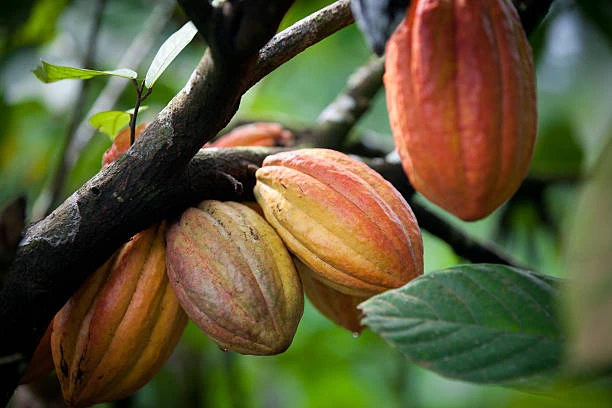
Brazil's Cocoa Comeback: Doubling Production by 2030
Brazil’s Cocoa Comeback: Doubling Production by 2030.
RT
Ask Rio Times
Latin American markets, currencies and companies.
Open the full Ask Rio Times →

The plan also aims to expand cocoa cultivation by 120,000 hectares. Strategies include improving productivity, expanding cultivation areas, promoting sustainable practices, and providing technical assistance.

The LatAm Brief

One email, every weekday morning. What moved in Latin American markets, politics and expat life.

Yesterday’s subject line: “IMF sees Brazil as 8th-largest economy by 2027”

Free. We send a confirmation link first — nothing arrives until you click it. Unsubscribe with one click in any edition. If you stop opening us for 30 days we stop sending by ourselves, as we assume the interest is no longer there. See our privacy policy. We never share your email.

Opportunities and Challenges

CocoaAction has trained technicians to support 2,600 producers in southern Bahia, with plans to reach 5,000 farmers soon. High global cocoa prices have created a favorable environment for Brazilian farmers.

They receive premiums of $2,000 per ton above international prices, encouraging more investment in cocoa farms. Brazil’s cocoa renaissance faces challenges, including the lingering effects of the “witches’ broom” disease from the 1990s.

However, the country’s agricultural infrastructure and aligned stakeholder interests provide a strong foundation for recovery. The global cocoa market has seen significant volatility, with major producers facing climate issues and diseases.

This instability led to historic price highs in early 2024, before stabilizing at around 5,000 pounds per ton. Brazil’s efforts come at an opportune time as the world seeks new cocoa sources.

Success depends on continued investment, technological adoption, and supportive policies. If achieved, Brazil’s cocoa resurgence could reshape the global market and provide economic opportunities for its people.

This article was produced by The Rio Times’ automated newsroom system. How we use AI · Report an error · Editorial responsibility: Matthias Camenzind, Editor-in-Chief

Rotate for Best Experience

This report is optimized for landscape viewing. Rotate your phone for the full experience.