Brazil says at the UN that it can receive those expelled by Ortega but avoids citing crimes against humanity
By Beatriz Bulla
Lula says he is concerned about “serious human rights violations” in Nicaragua, such as “summary executions, arbitrary detentions, and torture against political dissidents,” but does not use the term adopted by UN experts to refer to the crimes of Daniel Ortega’s regime and suggests a “constructive way out.”
The Brazilian government said on Tuesday morning, 7, at the United Nations Human Rights Council that it may receive Nicaraguans who lost their nationality by order of President Daniel Ortega.
“The Brazilian government received with extreme concern the decision of the Nicaraguan authorities to determine the loss of nationality of more than 300 Nicaraguan citizens,” said this morning the Brazilian ambassador to the UN in Geneva, Tovar da Silva Nunes.
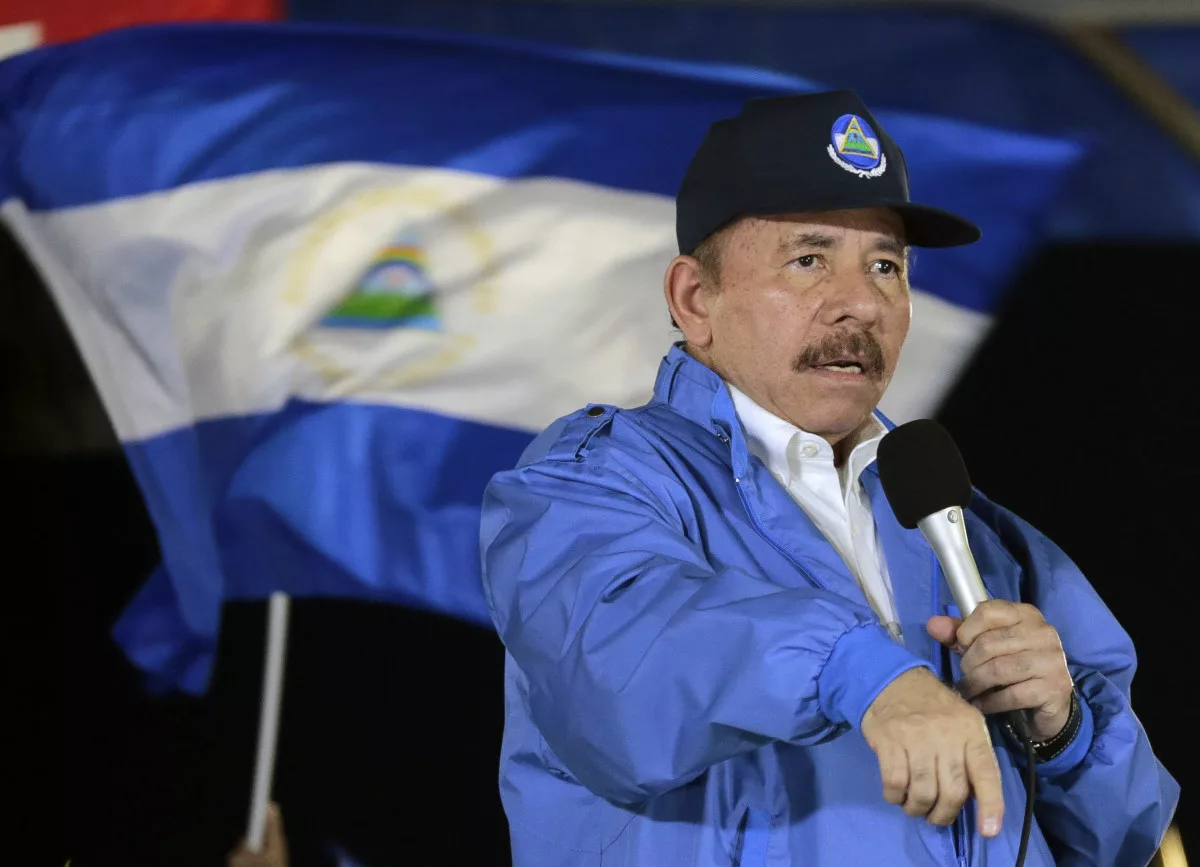
“The Brazilian government makes itself available to receive the people affected by this decision under the terms of the Brazilian Migration Law,” the diplomat said.
Brazil said it was concerned about reports of “serious human rights violations and restrictions on democratic space, in particular summary executions, arbitrary detentions and torture against political dissidents,” but did not use the term “crimes against humanity” as the UN experts referred to what is happening under Ortega’s authoritarian regime in Nicaragua.
In this morning’s statement, the Brazilian government made no reference to the experts’ work, which led 54 countries to articulate a declaration denouncing the situation in Nicaragua, and also did not advocate renewing the group’s working period.
This morning’s demonstration comes after the Brazilian government was the target of criticism for its silence and non-adherence to the joint declaration of more than 50 countries condemning the crimes committed by Daniel Ortega’s regime.
Last Friday, the country did not adhere to the declaration that denounced crimes against Ortega’s opponents, verified by independent experts.
Latin American leftist governments are among the document’s signatories, such as the Chilean and Colombian ones.
Brazil’s silence generated discomfort in the international community, and yesterday had repercussions in the country.
NEGOTIATION
Over the past week, Brazil has made an effort so that the text and the discussions would contemplate the perspective of an attempt at a negotiated solution to the crisis in Nicaragua.
Brazilian diplomacy is bothered by increased international maximum pressure – when countries start adopting sanctions, for example, or other unilateral measures – with no mediation foreseen.
Members of the Lula government say that the policy of maximum pressure adopted against Nicolás Maduro’s regime in Venezuela in 2020 did not have an effect.
The option within Itamaraty has been to place Lula as a potential negotiator with these regimes.
Criticism and condemnation of dictators and leftist authoritarians in Latin America inflame the militancy of the PT.
During the electoral campaign, Lula avoided condemning the Ortega regime and even said that his opponent, former president Jair Bolsonaro, was “infinitely worse”.
A possible resolution regarding the situation in Nicaragua could still be put to vote this week, starting Thursday.
Brazilian diplomats are betting that there is still room to debate the terms of the resolution.
With information from Estadão
More: Brazil news in English, every day from The Rio Times.
Editorial responsibility: Matthias Camenzind, Editor-in-Chief · Editorial standards · Report an error