Business Confidence in Brazil Wanes, Awaiting Welfare Reform
SÃO PAULO, BRAZIL – The final vote on the social security bill at Brazil’s Chamber of Deputies will only be held in August, after congressional members return from their mid-year recess, but its approval in Congress will favor the recovery of production and investments, rebalancing public accounts in the medium term, says the National Confederation of Industry (CNI).

“The (social security) changes can balance the welfare deficit in the medium term, bringing more predictability to public accounts. This will guarantee the payment of deserved pensions to Brazilians, will favor investments and growth of the economy,” CNI’s president Robson Andrade said in a statement last week.
The reform being discussed will increase minimum retirement-age levels and raise workers’ contributions, and has been receiving a lot of criticism from Brazil’s workers’ unions; the government has had to compromise and give in to a few demands from certain workers’ sectors.
Nonetheless, foreign data and information analysts say that the passing of the social security reform is unlikely to boost Brazil’s business confidence in the short term.
“Brazilian companies are less confident in June, with subdued demand conditions, political and economic troubles curbing optimism. The twelve-month assessments for output and profitability are the lowest recorded since prior to the presidential elections last October, causing downward revisions to planned spending on capital, research & development, and hiring. At the same time, firms foresee softer inflationary pressures in the year ahead,” concluded IHS Markit’s survey on Brazil’s business outlook, released on Monday, July 15th.
According to the company, the growth forecast for business activity is down for the second survey period in a row, from a near four-and-a-half-year high of +67 percent in October 2018 to +47 percent in June of 2019.
“The latest outlook survey shows sentiment for output running at its lowest since before last year’s election, which has, in turn, dragged down optimism for profitability,” says Pollyanna De Lima, principal economist at HIS Markit.
“Under this predicted scenario of a softer growth patch in the coming twelve months, Brazilian companies are less willing to invest in capital and research and development, while plans for job creation also have been slashed,” adds the economist.
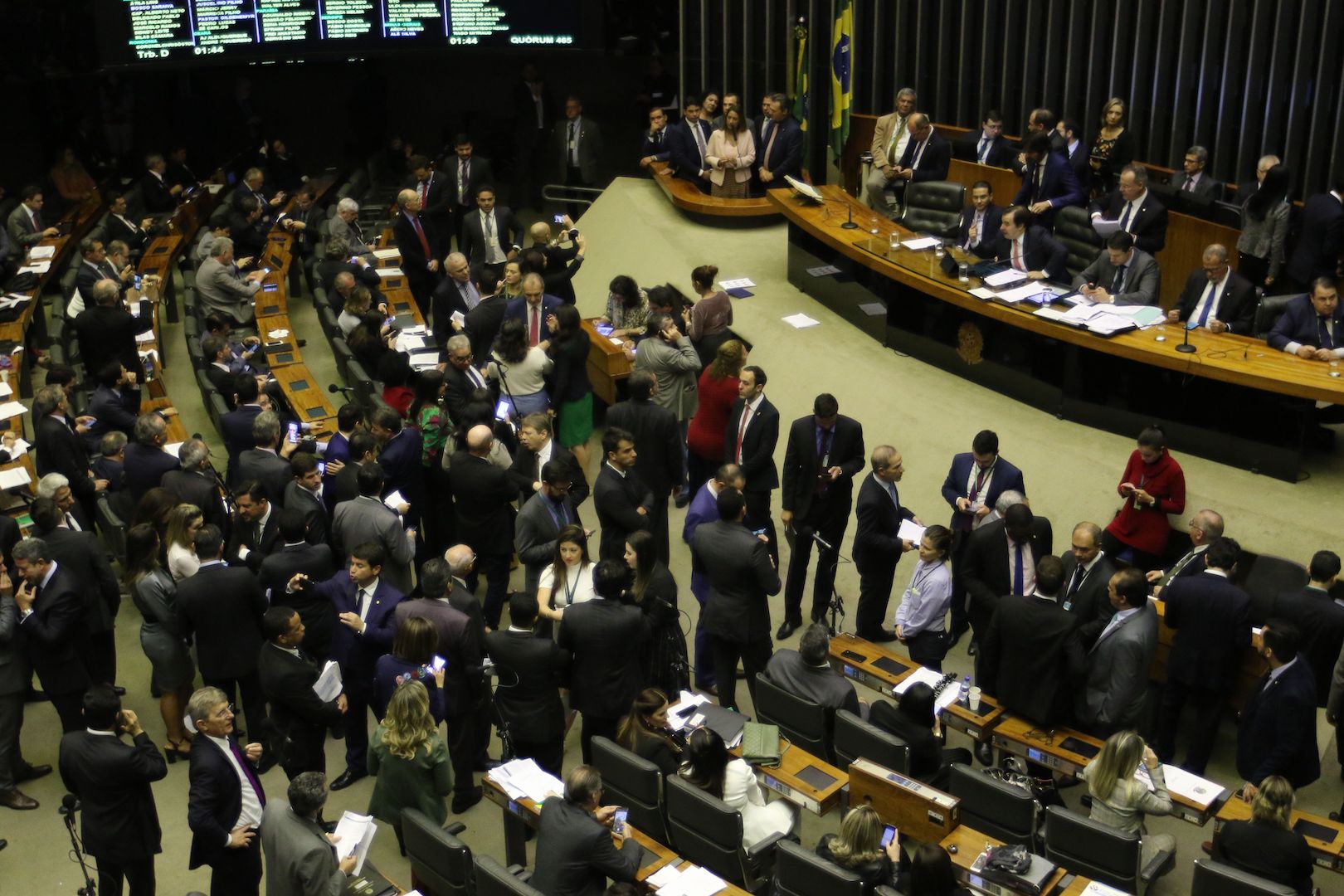
In its survey of approximately 12,000 manufacturers and service providers, IHS Markit found that although companies plan to hire more workers, many have revised downwards the number of new employees they are willing to hire and the employment outlook for Brazil is currently at its weakest level since mid-2016.
According to IHS Markit, companies surveyed indicated that “challenging economic conditions will likely lead them to keep a lid on expenses.”
“The widespread slide in confidence stems from growing concerns about the health of the Brazilian economy and public policies. A number of firms report fears that reforms and political decisions could spark protests, while there were also worries about privatization, airport concessions, and the shape of the external environment,” concluded De Lima.
Another international economic consultancy group, Focus Economics, says that Brazil’s economic recovery is seen as stagnating in 2019.
“Export growth will be hampered by a slowing global economy, a crisis in key trading partner Argentina and woes in mining giant Vale. Moreover, investment is expected to lose steam, plagued by soft sentiment due to economic and political worries. Brazil’s prospects were cut for the fifth consecutive month in July,” states the consultancy group in its monthly assessment report, Latin Focus.
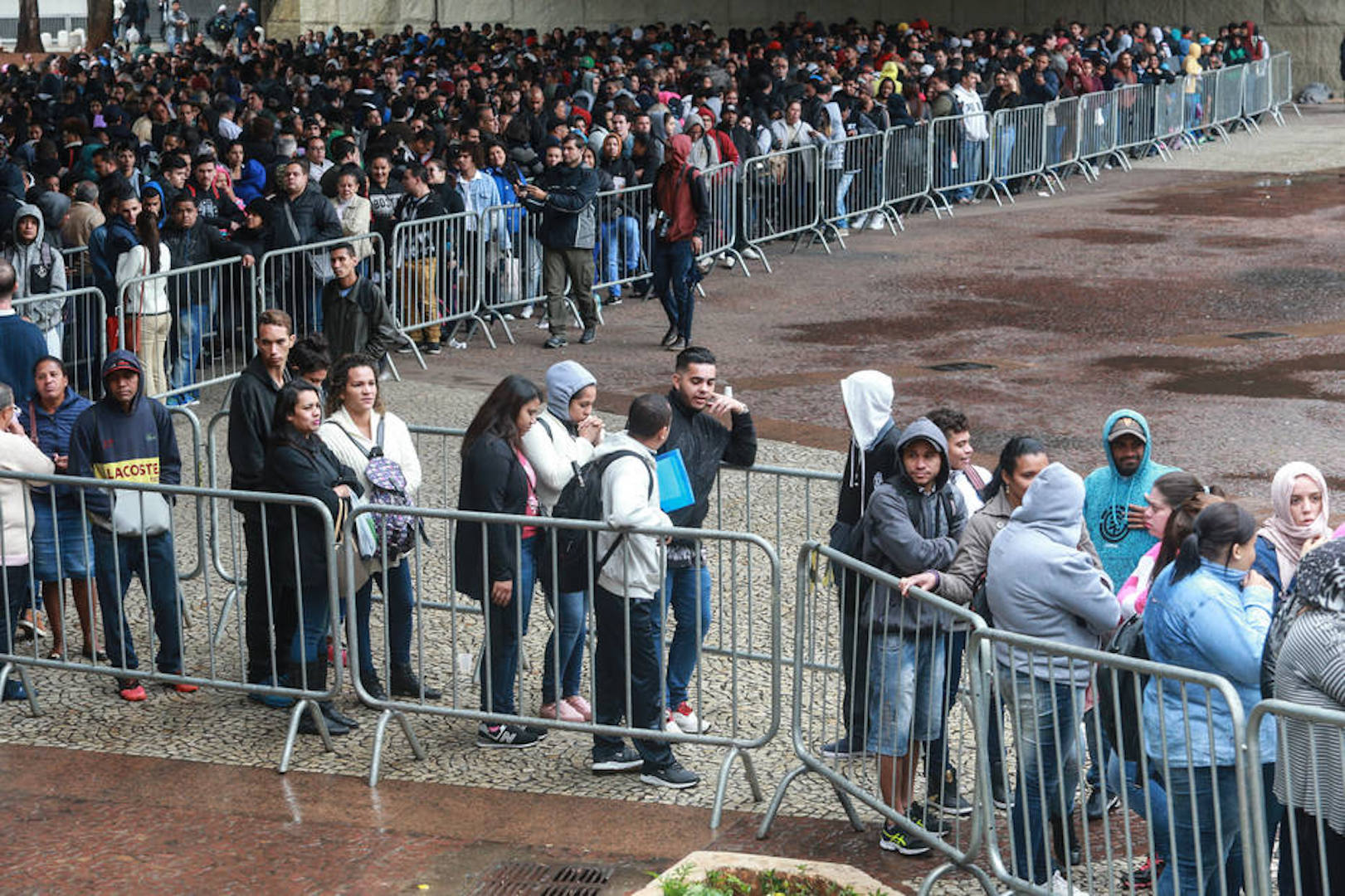
According to Focus Economics, business sentiment waned throughout the second quarter of the year, hitting a six-month low in June and erasing the earlier gains seen from initial post-election optimism.
Brazil’s Getulio Vargas Foundation’s (FGV) business confidence index fell from 97.2 points in May to 95.7 points in June, its lowest level since December of 2018. A result below the 100-point threshold signals pessimism among companies.
According to FGV, the deterioration was driven by the business community’s more pessimistic assessments of both the current and future economic situations.
Still, according to financial analysts, much of the optimism or pessimism to be seen in the next few months will be directly related to the social security reform and whether it passes through both the Chamber of Deputies and the Senate without further changes. The current text of the reform, say analysts, will save Brazil’s government a little over R$930 billion during the next ten years.
This would go a long way in helping Brazil regain the trust of foreign investors as well as that of Brazilian business and consumer communities, which in turn could increase production, consumption and improve the country’s overall economic situation.
More: Brazil news in English, every day from The Rio Times.
Editorial responsibility: Matthias Camenzind, Editor-in-Chief · Editorial standards · Report an error