IBOV 177,418.78 ▲ 1.00% IPSA 11,315.26 ▼ 1.14% IPC MEX 65,048.39 ▼ 0.67% MERVAL 3,052,917 ▲ 2.47% COLCAP 2,476.26 ▲ 0.75% BVL PERÚ 59,928.30 ▲ 0.07% USD/BRL5.19▼ 0.15% USD/MXN17.00▼ 0.22% USD/CLP933.40▲ 0.21% USD/COP3,215▲ 0.48% USD/PEN3.36▲ 0.38% USD/ARS1,509▼ 0.28% USD/UYU40.29▲ 0.05% USD/PYG5,892▼ 0.13% USD/BOB11.84▲ 0.51% USD/DOP58.64▲ 0.05% USD/CRC446.47▼ 0.04% USD/GTQ7.62▼ 0.02% USD/HNL26.84— 0.00% USD/NIO36.62— 0.00% USD/VES793.00▼ 0.13% USD/PAB1.00— 0.00% USD/BZD2.00— 0.00% USD/JMD 157.28 — 0.00% USD/TTD6.69▼ 0.37% EUR/BRL6.02▼ 0.09% BRENT 88.88 ▼ 0.03% WTI 83.11 ▼ 0.11% IRON ORE 161.91 — — COPPER 6.61 ▲ 0.03% GOLD 4,461 ▲ 1.78% SILVER 65.59 ▲ 1.26% SOY 1,184 ▲ 3.20% CORN 480.50 ▲ 10.02% WHEAT 655.00 ▲ 3.93% COFFEE 317.25 ▼ 5.51% SUGAR 16.43 ▼ 1.79% ORANGE JUICE 138.55 ▼ 0.47% COTTON 85.03 ▲ 2.33% COCOA 5,719 ▲ 3.18% BEEF 223.60 ▼ 3.93% CATTLE 339.10 ▼ 3.16% LITHIUM 75.20 ▲ 1.47% PETR4 41.64 ▼ 0.05% VALE3 72.97 ▲ 0.83% ITUB4 38.60 ▼ 1.03% BBDC4 16.85 ▲ 0.36% ABEV3 14.89 ▼ 0.80% BBAS3 19.37 ▲ 0.47% B3SA3 14.26 ▼ 0.21% WEGE3 47.59 ▲ 0.49% PRIO3 59.14 ▼ 0.19% SUZB3 41.33 ▲ 2.35% RENT3 34.68 ▼ 0.09% AZZA3 15.89 ▼ 2.63% CSAN3 3.22 ▼ 1.83% RAIZ4 0.25 — 0.00% PCAR3 2.75 ▼ 0.36% GMAT3 3.65 ▼ 1.08% PSSA3 48.13 ▼ 0.54% CVCB3 1.33 ▼ 2.92% POSI3 3.36 ▲ 2.44% SLCE3 13.34 ▲ 0.30% NATU3 8.14 ▼ 0.73% IBOV 177,418.78 ▲ 1.00% IPSA 11,315.26 ▼ 1.14% IPC MEX 65,048.39 ▼ 0.67% MERVAL 3,052,917 ▲ 2.47% COLCAP 2,476.26 ▲ 0.75% BVL PERÚ 59,928.30 ▲ 0.07% USD/BRL 5.16 ▲ 0.01% USD/MXN 17.06 ▼ 0.24% USD/CLP 913.98 ▲ 0.04% USD/COP 3,140 ▲ 0.03% USD/PEN 3.36 ▼ 0.66% USD/ARS 1,493 ▲ 0.10% USD/UYU 40.27 ▲ 1.24% USD/PYG 5,939 ▲ 1.68% USD/BOB 11.64 ▼ 0.76% USD/DOP 58.34 ▲ 1.25% USD/CRC 445.92 ▲ 0.89% USD/GTQ 7.62 ▲ 2.21% USD/HNL 26.79 ▲ 1.57% USD/NIO 36.62 ▲ 0.69% USD/VES 762.44 ▼ 0.13% USD/PAB 1.00 — 0.00% USD/BZD 2.00 — 0.00% USD/JMD 157.28 — 0.00% USD/TTD 6.70 ▲ 0.61% EUR/BRL 5.95 ▲ 1.01% BRENT 88.88 ▼ 0.03% WTI 83.11 ▼ 0.11% IRON ORE 161.91 — — COPPER 6.61 ▲ 0.03% GOLD 4,461 ▲ 1.78% SILVER 65.59 ▲ 1.26% SOY 1,184 ▲ 3.20% CORN 480.50 ▲ 10.02% WHEAT 655.00 ▲ 3.93% COFFEE 317.25 ▼ 5.51% SUGAR 16.43 ▼ 1.79% ORANGE JUICE 138.55 ▼ 0.47% COTTON 85.03 ▲ 2.33% COCOA 5,719 ▲ 3.18% BEEF 223.60 ▼ 3.93% CATTLE 339.10 ▼ 3.16% LITHIUM 75.20 ▲ 1.47% PETR4 41.64 ▼ 0.05% VALE3 72.97 ▲ 0.83% ITUB4 38.60 ▼ 1.03% BBDC4 16.85 ▲ 0.36% ABEV3 14.89 ▼ 0.80% BBAS3 19.37 ▲ 0.47% B3SA3 14.26 ▼ 0.21% WEGE3 47.59 ▲ 0.49% PRIO3 59.14 ▼ 0.19% SUZB3 41.33 ▲ 2.35% RENT3 34.68 ▼ 0.09% AZZA3 15.89 ▼ 2.63% CSAN3 3.22 ▼ 1.83% RAIZ4 0.25 — 0.00% PCAR3 2.75 ▼ 0.36% GMAT3 3.65 ▼ 1.08% PSSA3 48.13 ▼ 0.54% CVCB3 1.33 ▼ 2.92% POSI3 3.36 ▲ 2.44% SLCE3 13.34 ▲ 0.30% NATU3 8.14 ▼ 0.73%
since 2009
Monday, August 31, 2026

Brazil Business - Brazil

Brazil Faces Largest Expected Tax Increase in the World by 2050

By · September 24, 2025 · 2 min read

Daily Brief

The morning intel from across Latin America. Free.

By subscribing you agree to our privacy policy. We never share your email.

Brazil’s tax take stood at about 34 percent of GDP in 2024, among the highest for emerging economies. A recent study from Instituto Esfera, in partnership with Abiquim, warns that this figure could climb by 9.8 points to nearly 43 percent of GDP by 2050.

Aging demographics and rising pension and health costs drive much of that growth, and unchecked tax breaks deepen fiscal strain. The study reveals that federal tax expenditures—special exemptions, deductions, and incentives—now exceed 4 percent of GDP.

These hidden costs surpass direct spending in key ministries. Agriculture’s tax breaks run five times larger than its budget, while Mines and Energy tax benefits reach four times their direct spending.

The Simples Nacional small-business regime alone accounts for 22 percent of all federal tax exemptions. Policy makers have granted these tax breaks for decades without clear timelines, performance rules, or review cycles.

As a result, Brazil relies on complex and opaque incentives that benefit narrow interests. The study emphasizes that tax expenditures should become time-bound and outcome-driven, so they deliver measurable social or economic gains.
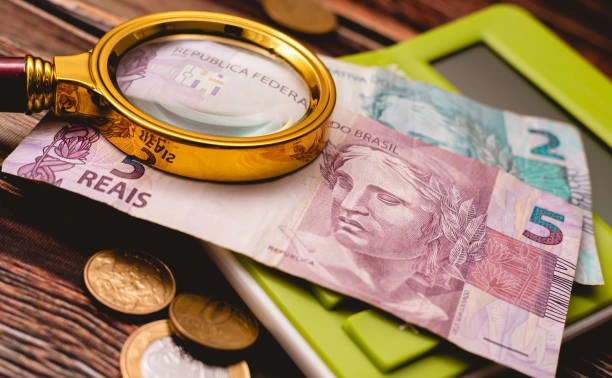
Brazil Faces Largest Expected Tax Increase in the World by 2050. (Photo Internet reproduction)
One-stop reference
Company Intelligence
Every listed company in Latin America — financials, ownership and structure for 1,450+ companies across 26 exchanges, in one place.
Browse the directory →
RT
Ask Rio Times
Latin American markets, currencies and companies.
Open the full Ask Rio Times →

The projected tax burden rise will hit businesses and households. Firms will face higher costs that can curb investment and job creation. Consumers may see steeper prices on electricity, fuel, and services as companies pass on tax hikes.

Public agencies will have fewer funds for education, security, and infrastructure if pensions and health care claim a growing share of revenue.

Brazil’s ongoing tax-reform talks through 2028 aim to cap federal tax expenditures at 2 percent of GDP starting in 2027 and to enact a General Tax Expenditures Law (LGGT).

The LGGT would set objective rules for granting, evaluating, and phasing out tax benefits. However, no bill has reached Congress yet. Without swift action, the study warns, Brazil’s fiscal challenge will worsen, limiting the government’s ability to respond to new crises.

The real story behind these numbers is a government budget stretched thin by rising demographic costs and an ever-growing menu of tax breaks.

Brazil risks entering a cycle where higher taxes fund mounting pension and health obligations, leaving critical public services underfunded and businesses overtaxed.

Acting now could steer Brazil toward more transparent and efficient tax policies. Lawmakers can impose clear limits on exemptions, tie benefits to real results, and regularly review their impact.

Such steps would ease pressure on families and companies and free resources for vital programs. Without them, Brazil will pay a heavy price in slower growth and tighter household budgets.

This article was produced by The Rio Times’ automated newsroom system. How we use AI · Report an error

Read More from The Rio Times

The Rio Times · Power Map
See who really holds power in Latin America
Click to open the Power Map

Rotate for Best Experience

This report is optimized for landscape viewing. Rotate your phone for the full experience.