
Bolivia · FUEL CRISIS
Key Facts
- —What happened Bolivia’s government took temporary control of the state oil company YPFB on September 1, 2026.
- —How big A five-ministry commission can run the intervention for up to 180 days, with a possible 90-day extension.
- —What it means Subsidized diesel still costs Bs 9.80 a liter (about US$0.80) for transporters and everyday drivers.
- —The catch The new 2,500-liter cap only raises a small-farmer quota, not a limit for all buyers.
- —Who’s affected Farmers, transporters and everyday drivers across Bolivia all face more fuel queues in coming months.
- —What’s next The government wants YPFB out of fuel sales eventually, letting private companies import diesel instead.
Bolivia’s government now controls YPFB’s fuel imports for up to 180 days, as prices climb and blockades return.
Bolivia’s government has taken emergency control of YPFB, the state oil and gas company. A presidential decree signed September 1 puts fuel imports and distribution under a five-ministry commission.
The move comes as Bolivians face months of fuel lines and rising anger over diesel prices. Business leaders in Santa Cruz say the plan will not fix Bolivia’s real fuel problem.
What the Intervention Actually Does
Supreme Decree 5697 does not dissolve YPFB or change who owns it. It targets how YPFB imports, moves and sells fuel nationwide.
A commission of five ministries will run the fuel supply chain for up to 180 days. Officials can extend that window by another 90 days if needed.
Officials blame smuggling networks for draining away subsidized fuel supplies. They say dealers buy it cheap at home and resell it for more across the border.
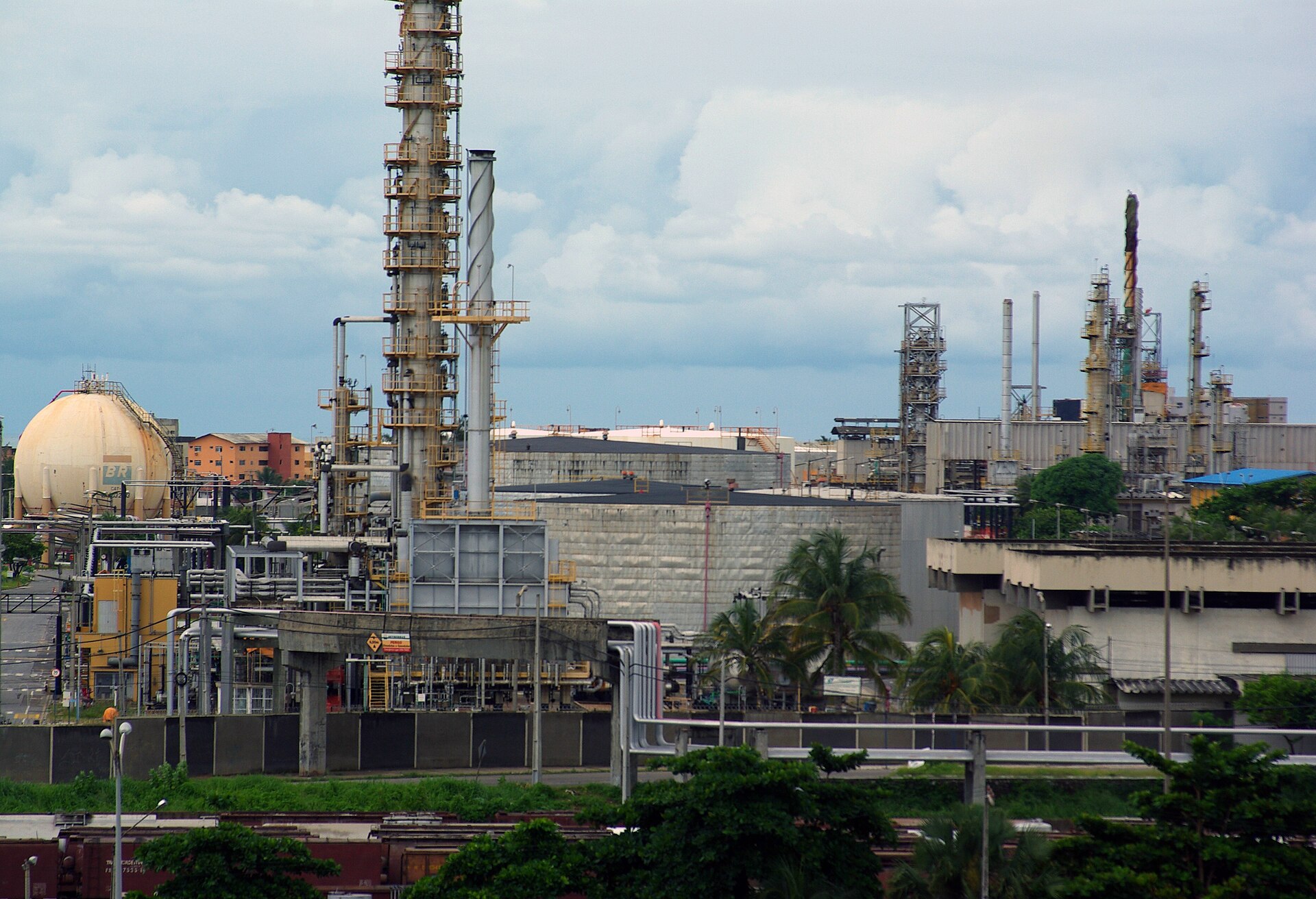
Why Bolivia Keeps Running Short on Diesel
President Rodrigo Paz took office in November 2025, promising to fix the shortage. He inherited empty pumps and low dollar reserves from the previous government.
Bolivia’s oil and gas output has fallen sharply over the past decade. Daily production dropped from about 63,000 barrels in 2015 to roughly 22,000 barrels now.
Domestic refineries now run at only about 30 percent of capacity. Bolivia must import roughly 60 percent of the diesel and gasoline it uses.
Those imports used to be paid for with dollars from booming natural gas exports. As gas exports shrank, Bolivia’s dollar reserves shrank with them.
Keeping prices low costs Bolivia’s treasury more than a billion bolivianos a month. That is roughly US$81 million every month, just for diesel.
Drivers have described waiting overnight in gas station lines for months. Long queues have become common across several Bolivian cities this year.
New Diesel Prices, and Who the Farm Quota Really Covers
In August, a separate decree split diesel prices into two tiers. Large industrial buyers now pay Bs 18 a liter (about US$1.46).
Transporters and everyday drivers still pay the older subsidized rate. That rate is still Bs 9.80 a liter (about US$0.80).
The Bs 18 tier only applies to big industrial and business buyers. Those buyers use more than 20,000 liters of diesel every month.
Farmers then blocked roads, demanding the government scrap the new price split. On September 2, regulators raised a separate farm fuel quota to 2,500 liters a month.
That 2,500-liter cap covers only small, registered farmers. Other drivers still buy subsidized diesel by the tankful, not a fixed monthly limit.
Bolivia floated its exchange rate in late June, ending a 15-year-old dollar peg. This story converts bolivianos at about Bs 12.3 per dollar, close to both official and street rates in early September.
Business Leaders and Protesters Push Back
Cainco is Santa Cruz’s leading business chamber, representing thousands of companies. It wants YPFB out of the way so private importers can move faster.
Cainco argues state control of the supply chain is the real bottleneck, not just prices. Chamber leaders say emergency measures like this intervention will not add fuel at the pump.
Earlier decrees already let some private companies import fuel this year. But most diesel and gasoline still flow through YPFB’s own supply chain.
The Pro Santa Cruz Civic Committee wants gas stations to import fuel directly. It says that step would fix shortages faster than a government-run handover.
Public Works Minister Mauricio Zamora describes a slower, managed handover instead. “The idea is that YPFB exits the chain and private companies bring the fuel,” he said.
Agricultural leaders say diesel is a major farm expense across Bolivia. They warn higher prices will raise food costs nationwide.
Farmers, transporters and opposition lawmakers have all criticized the government’s response. Road blockades over the diesel decree have flared since late August.
Ronald Nostas, a former head of Bolivia’s national business confederation, was blunt. He called the intervention “a suitable measure, but belated and inadequate.”
Even a government ally has raised doubts about the response. Vice President Edmand Lara has publicly criticized the wave of road blockades.
A Disputed Link to the IMF
Officials say the August price split is a condition from the IMF, the International Monetary Fund. Presidency Minister Fernando Aramayo called it one of the fund’s requirements.
Bolivia and the IMF agreed in July on a possible $1.9 billion loan. That loan still needs approval from the IMF board and Bolivia’s Congress.
The IMF’s own public statement on the deal does not mention fuel subsidies. That gap has fueled public suspicion that the government is using the IMF as cover.
What Happens Next
The intervention commission is due to report findings within weeks. Ministers say they want YPFB out of fuel sales for good.
The plan is to let private companies import and sell diesel instead. YPFB would then focus on drilling, production and refining fuel at home.
Some lawmakers question whether 180 days is too slow for a fuel emergency. Others want a faster audit of YPFB’s staffing and spending.
The IMF board could vote on Bolivia’s loan in the coming months. Bolivia’s Congress must also approve the financing deal separately.
More: Bolivia news in English, every day from The Rio Times.
Frequently Asked Questions
What is YPFB?
YPFB stands for Yacimientos Petrolíferos Fiscales Bolivianos, Bolivia’s state-owned oil and gas company.
Why did Bolivia’s government intervene in YPFB?
Officials cited fuel shortages, smuggling and distribution failures after months of long lines at gas stations.
Does the new 2,500-liter cap apply to all diesel buyers?
No. It only raised a subsidized monthly quota for small, registered farmers from 120 liters to 2,500 liters.
Is Bolivia’s diesel price change really required by the IMF?
The government says yes. But the IMF’s own public statement on its loan talks with Bolivia does not mention fuel subsidies.
What exchange rate does this article use for bolivianos?
It uses Bolivia’s official rate of about Bs 12.3 per US dollar. That was close to the parallel market rate in early September 2026.
Sources: Infobae, El Deber, Unitel Bolivia, Éxito Noticias, Panamericana Bolivia, Economy.com.bo, Red Uno Bolivia, Banco Central de Bolivia.
This article was produced by The Rio Times’ automated newsroom system. How we use AI · Report an error · Editorial responsibility: Matthias Camenzind, Editor-in-Chief