São Paulo’s Strong Rejection of Lula Signals National Political Shift
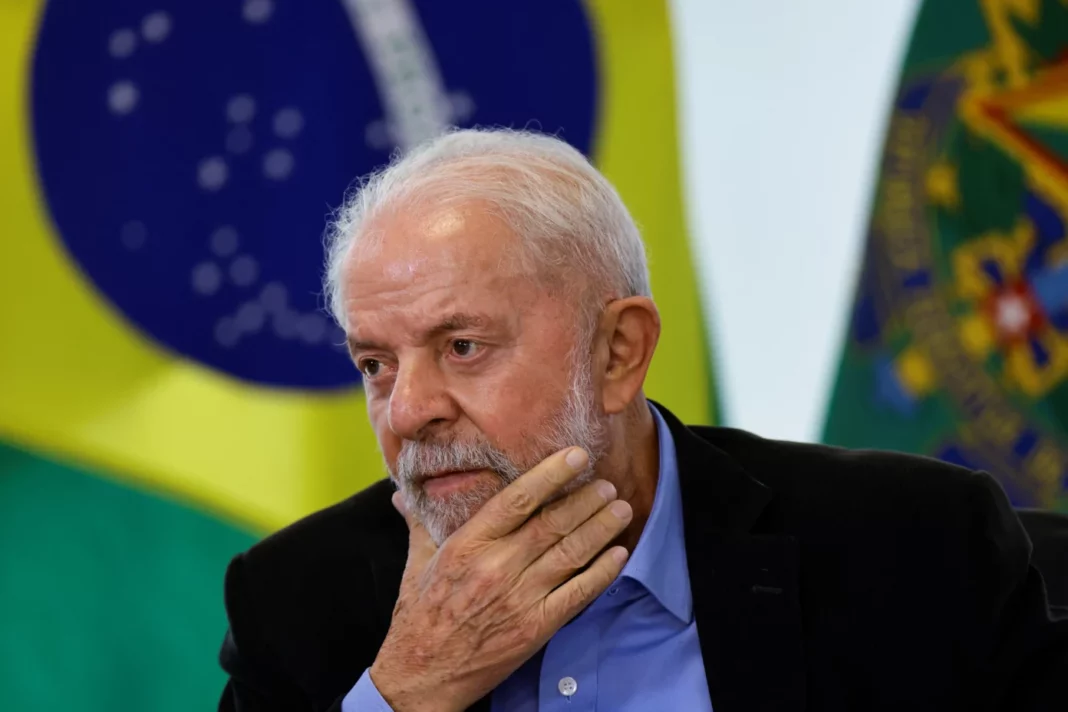
A recent Paraná Pesquisas poll reveals that 63.1% of São Paulo voters disapprove of President Lula’s government, while only 33.9% express approval.
This sharp disapproval, unchanged since February, sends a clear message from Brazil’s most powerful state. When São Paulo’s electorate speaks, the rest of the country listens-because São Paulo does not just reflect Brazil’s present, it shapes its future.
São Paulo’s dominance is not limited to politics. The state produces nearly a third of Brazil’s GDP and is home to the country’s largest companies, banks, and the B3 stock exchange.
It leads in technology, education, and cultural production, setting trends that ripple across Brazil. The state’s capital city is the headquarters for global corporations and the main destination for foreign investment in the country.
Economic figures reinforce São Paulo’s central role. The state’s economy grew by 4.2% in 2023, far outpacing national projections. The real estate market remains robust, with over 11,000 residential units sold in 2024 and a persistent rental shortage.
Tourism generates R$340 billion annually, supporting half a million jobs and drawing millions to major events like Carnival. Nationally, Brazil faces economic headwinds. Inflation sits above 5%, and interest rates approach 15%, squeezing credit and investment.
The International Monetary Fund projects Brazil’s public debt will reach 92% of GDP in 2025. Despite these challenges, São Paulo continues to attract investment and drive innovation, highlighting a growing divide between the state and the rest of the country.
Politically, São Paulo’s mood often sets the tone for Brazil. With 34 million voters-about 20% of the national electorate-the state’s disapproval of Lula’s administration could foreshadow broader shifts ahead of the next election.
Historically, political trends in São Paulo have signaled changes that later sweep the nation. For Lula, São Paulo’s dissatisfaction is more than a local issue.
The state’s economic and cultural supremacy means its preferences often become national priorities. If the president cannot regain São Paulo’s support, his government risks losing credibility and influence across Brazil.
As São Paulo goes, so goes the country. The latest poll numbers do not just reflect local frustration-they point to a potential turning point for Brazil’s political and economic future. For Lula, the challenge is clear: win back the heartland, or risk losing the nation.
More: Brazil news in English, every day from The Rio Times.
This article was produced by The Rio Times’ automated newsroom system. How we use AI · Report an error · Editorial responsibility: Matthias Camenzind, Editor-in-Chief