Argentina’s Shift to Private Ownership of Crucial Hydroelectric Assets
In a significant policy shift, Argentina is transitioning four major hydroelectric dams to private ownership.
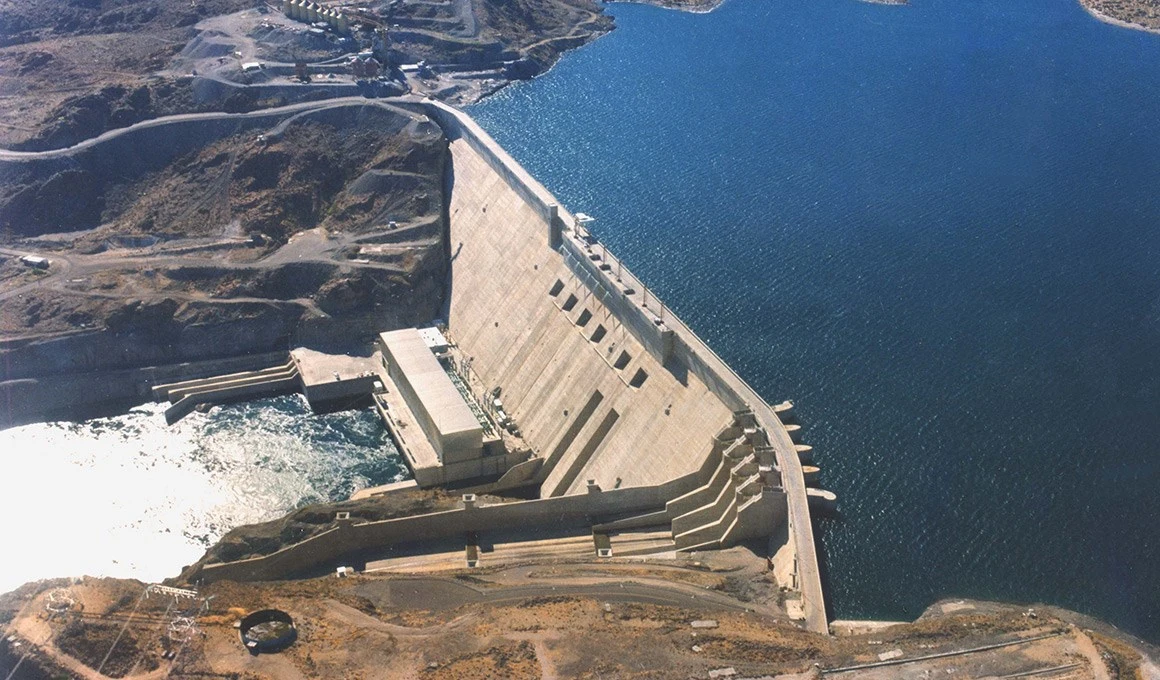
President Javier Milei leads this initiative, targeting facilities like Alicurá, El Chocón, Cerros Colorados, and Piedra del Águila.
These dams collectively contribute approximately 30% to the nation’s hydroelectric output, boasting over 4,000 MW in capacity.
The government has set an ambitious goal to secure sales through international bids within the next six months.
Historical Context and Rationale
Initially state-managed, these facilities transitioned to private operation under concessions in 1993. Their concessions expired last year, receiving a temporary extension from the previous government.
Facing persistent energy shortages and economic challenges such as high inflation and low foreign reserves, Argentina is now compelled to reevaluate its energy management approach.
Potential Impacts of the Privatization
Some experts argue that privatization could usher in essential investments and boost operational efficiencies.
However, there are significant concerns. Critics fear this move might hike electricity costs and reduce national control over strategic resources.
If energy costs surge, the repercussions for Argentina’s industrial competitiveness and energy sovereignty could be severe.
Lessons from Global Experiences
Argentina’s journey mirrors that of several other nations. Brazil, for instance, has privatized many hydroelectric plants in recent decades, attracting investments but also causing electricity price spikes and market instability.
Chile experienced similar outcomes with its privatized hydropower, gaining efficiency but facing market concentration and price volatility.
In India and some Canadian provinces, results have been mixed, sparking debates over the merits and drawbacks of private sector involvement in critical infrastructure.
Strategic Implications and Considerations
This privatization marks a pivotal shift in Argentina’s energy policy. It could potentially attract the necessary investments but also pose risks to long-term energy security and economic stability.
The success of this initiative depends heavily on a transparent bidding process, a solid regulatory framework, ongoing investments in infrastructure, and measures to shield consumers and businesses from potential price shocks.
As Argentina moves forward with this privatization, drawing lessons from international experiences will be crucial.
This approach will not only reshape the immediate utility landscape but also influence broader national resource management and economic sovereignty discussions in a rapidly changing global economy.
More: Argentina news in English, every day from The Rio Times.
This article was produced by The Rio Times’ automated newsroom system. How we use AI · Report an error · Editorial responsibility: Matthias Camenzind, Editor-in-Chief