Argentina rejects British military presence in South Atlantic
Argentina rejected yesterday, Monday, at the 10th Review Conference of the Treaty on the Non-Proliferation of Nuclear Weapons (NPT) at the United Nations headquarters in New York, the military presence of the United Kingdom in the Malvinas Islands (Falklands), a group of islands in the South Atlantic whose sovereignty is claimed by the South American country and politically controlled by London.
Addressing representatives and experts from 191 countries and regions that make up the NPT, Argentine Foreign Minister Santiago Cafiero said that “the world is marked by growing tensions and conflicts that have escalated to levels that could have been avoided through a greater commitment to the dynamics of negotiation and peace,” the Foreign Ministry said in a communiqué.
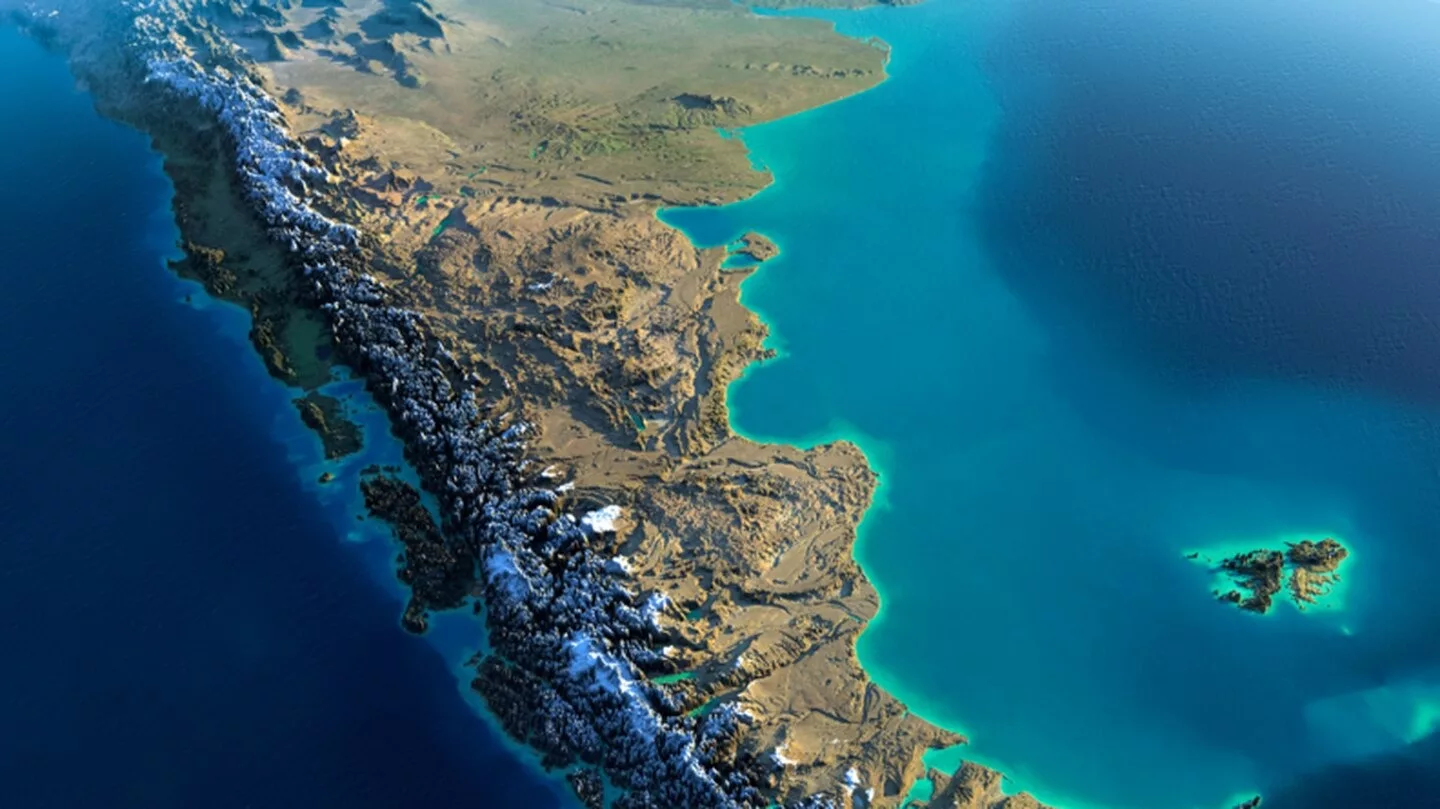
The head of Argentine diplomacy referred to the issue of the Malvinas Islands and rejected the military presence of the United Kingdom in the South Atlantic, including the stationing of submarines capable of carrying nuclear weapons in this nuclear-free zone.
“Recently declassified documents from the National Archives in London have been published showing that during the South Atlantic conflict in 1982, the United Kingdom sent ships with 31 nuclear weapons to the region, which at the time represented 65 percent of its stockpile of nuclear depth bombs,” Cafiero said.
“Apart from being a significant quantity, the mere presence of these weapons poses a serious nuclear risk not only to Argentina but to the entire region, both in terms of radioactive contamination of the South Atlantic and the catastrophic humanitarian consequences associated with nuclear weapons,” the official warned.
Argentina and the United Kingdom were at war from April 2 to June 14, 1982, over sovereignty over the island territory, which has been controlled by London since 1833.
The NPT conference at the United Nations, chaired by Argentine Ambassador Gustavo Zlauvinen, will also be attended by UN Secretary General António Guterres and International Atomic Energy Agency (IAEA) Director General Rafael Grossi.
More: Argentina news in English, every day from The Rio Times.
Editorial responsibility: Matthias Camenzind, Editor-in-Chief · Editorial standards · Report an error