IBOV 179,722.48 ▲ 1.30% IPSA 11,315.26 ▼ 1.14% IPC MEX 65,314.78 ▼ 0.18% MERVAL 3,049,455 ▲ 0.51% COLCAP 2,470.26 ▲ 1.86% BVL PERÚ 59,450.29 ▲ 0.11% USD/BRL5.15▼ 0.60% USD/MXN17.01▲ 0.07% USD/CLP936.45▲ 0.24% USD/COP3,155▼ 1.44% USD/PEN3.36▼ 0.10% USD/ARS1,513▲ 0.25% USD/UYU40.24▲ 0.68% USD/PYG5,873▲ 0.47% USD/BOB12.08▲ 3.98% USD/DOP58.62▲ 0.48% USD/CRC446.47▲ 1.09% USD/GTQ7.62▲ 1.63% USD/HNL26.84▲ 1.11% USD/NIO36.62▲ 0.14% USD/VES799.17▲ 0.23% USD/PAB1.00— 0.00% USD/BZD2.00— 0.00% USD/JMD 157.28 — 0.00% USD/TTD6.69▼ 0.06% EUR/BRL5.97▼ 0.70% BRENT 88.88 ▼ 0.03% WTI 83.11 ▼ 0.11% IRON ORE 161.91 — — COPPER 6.61 ▲ 0.03% GOLD 4,461 ▲ 1.78% SILVER 65.59 ▲ 1.26% SOY 1,184 ▲ 3.20% CORN 480.50 ▲ 10.02% WHEAT 655.00 ▲ 3.93% COFFEE 317.25 ▼ 5.51% SUGAR 16.43 ▼ 1.79% ORANGE JUICE 138.55 ▼ 0.47% COTTON 85.03 ▲ 2.33% COCOA 5,719 ▲ 3.18% BEEF 223.60 ▼ 3.93% CATTLE 339.10 ▼ 3.16% LITHIUM 75.20 ▲ 1.47% PETR4 41.64 ▼ 0.05% VALE3 72.97 ▲ 0.83% ITUB4 38.60 ▼ 1.03% BBDC4 16.85 ▲ 0.36% ABEV3 14.89 ▼ 0.80% BBAS3 19.37 ▲ 0.47% B3SA3 14.26 ▼ 0.21% WEGE3 47.59 ▲ 0.49% PRIO3 59.14 ▼ 0.19% SUZB3 41.33 ▲ 2.35% RENT3 34.68 ▼ 0.09% AZZA3 15.89 ▼ 2.63% CSAN3 3.22 ▼ 1.83% RAIZ4 0.25 — 0.00% PCAR3 2.75 ▼ 0.36% GMAT3 3.65 ▼ 1.08% PSSA3 48.13 ▼ 0.54% CVCB3 1.33 ▼ 2.92% POSI3 3.36 ▲ 2.44% SLCE3 13.34 ▲ 0.30% NATU3 8.14 ▼ 0.73% IBOV 179,722.48 ▲ 1.30% IPSA 11,315.26 ▼ 1.14% IPC MEX 65,314.78 ▼ 0.18% MERVAL 3,049,455 ▲ 0.51% COLCAP 2,470.26 ▲ 1.86% BVL PERÚ 59,450.29 ▲ 0.11% USD/BRL 5.16 ▲ 0.01% USD/MXN 17.06 ▼ 0.24% USD/CLP 913.98 ▲ 0.04% USD/COP 3,140 ▲ 0.03% USD/PEN 3.36 ▼ 0.66% USD/ARS 1,493 ▲ 0.10% USD/UYU 40.27 ▲ 1.24% USD/PYG 5,939 ▲ 1.68% USD/BOB 11.64 ▼ 0.76% USD/DOP 58.34 ▲ 1.25% USD/CRC 445.92 ▲ 0.89% USD/GTQ 7.62 ▲ 2.21% USD/HNL 26.79 ▲ 1.57% USD/NIO 36.62 ▲ 0.69% USD/VES 762.44 ▼ 0.13% USD/PAB 1.00 — 0.00% USD/BZD 2.00 — 0.00% USD/JMD 157.28 — 0.00% USD/TTD 6.70 ▲ 0.61% EUR/BRL 5.95 ▲ 1.01% BRENT 88.88 ▼ 0.03% WTI 83.11 ▼ 0.11% IRON ORE 161.91 — — COPPER 6.61 ▲ 0.03% GOLD 4,461 ▲ 1.78% SILVER 65.59 ▲ 1.26% SOY 1,184 ▲ 3.20% CORN 480.50 ▲ 10.02% WHEAT 655.00 ▲ 3.93% COFFEE 317.25 ▼ 5.51% SUGAR 16.43 ▼ 1.79% ORANGE JUICE 138.55 ▼ 0.47% COTTON 85.03 ▲ 2.33% COCOA 5,719 ▲ 3.18% BEEF 223.60 ▼ 3.93% CATTLE 339.10 ▼ 3.16% LITHIUM 75.20 ▲ 1.47% PETR4 41.64 ▼ 0.05% VALE3 72.97 ▲ 0.83% ITUB4 38.60 ▼ 1.03% BBDC4 16.85 ▲ 0.36% ABEV3 14.89 ▼ 0.80% BBAS3 19.37 ▲ 0.47% B3SA3 14.26 ▼ 0.21% WEGE3 47.59 ▲ 0.49% PRIO3 59.14 ▼ 0.19% SUZB3 41.33 ▲ 2.35% RENT3 34.68 ▼ 0.09% AZZA3 15.89 ▼ 2.63% CSAN3 3.22 ▼ 1.83% RAIZ4 0.25 — 0.00% PCAR3 2.75 ▼ 0.36% GMAT3 3.65 ▼ 1.08% PSSA3 48.13 ▼ 0.54% CVCB3 1.33 ▼ 2.92% POSI3 3.36 ▲ 2.44% SLCE3 13.34 ▲ 0.30% NATU3 8.14 ▼ 0.73%
since 2009
Wednesday, September 2, 2026

Argentina Halts Domestic Banknote Production, Turns to Foreign Suppliers

By · October 30, 2024 · 2 min read

Daily Brief

The morning intel from across Latin America. Free.

By subscribing you agree to our privacy policy. We never share your email.

Argentina’s government has suspended banknote printing at the Casa de Moneda, the national mint established in 1875. This decision by President Javier Milei’s administration marks a significant shift in the country’s monetary policy.

The move affects around 1,300 employees at the Casa de Moneda. Many workers now face mandatory vacations due to the production halt.

This change comes as Argentina battles severe inflation, with the peso losing significant value. Lower denomination bills have become nearly worthless.

The 1,000 and 2,000 peso notes now equal only one or two US dollars. This devaluation has created storage issues for billions of circulating banknotes.

The Central Bank of Argentina cited high costs, production delays, and contract breaches as reasons for this decision. They claim that printing bills domestically costs twice as much as importing them.
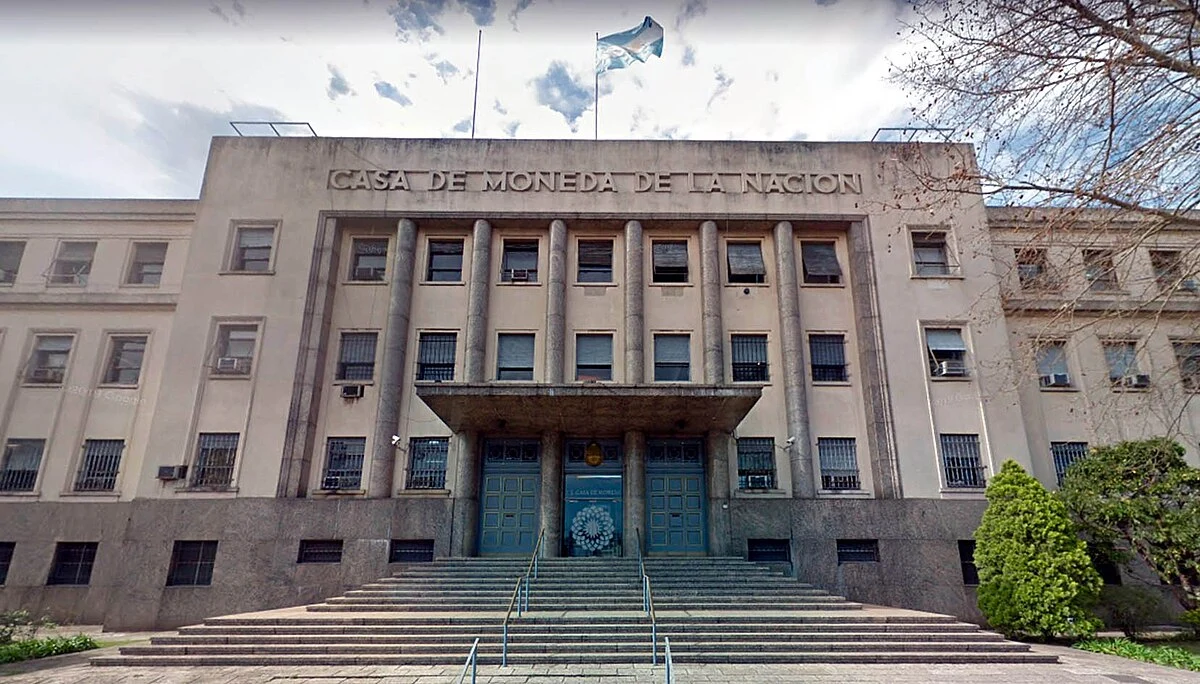
Argentina Halts Domestic Banknote Production, Turns to Foreign Suppliers
Argentina Halts Domestic Banknote Production, Turns to Foreign Suppliers. (Photo Internet reproduction)
One-stop reference
Company Intelligence
Every listed company in Latin America — financials, ownership and structure for 1,450+ companies across 26 exchanges, in one place.
Browse the directory →
RT
Ask Rio Times
17 years of Latin America reporting, on demand.
Open the full Ask Rio Times →

Argentina is now turning to foreign suppliers for its currency needs. China’s Banknote Printing and Minting Corporation and the US-based Crane Currency have secured contracts to produce Argentine pesos.

Government spokesperson Manuel Adorni framed this as an efficiency measure. He stated that printing low-denomination bills no longer makes economic sense.

The focus now is on higher value notes, like the new 10,000 and 20,000 peso bills. Labor unions, however, criticize this move.

Navigating Economic Sovereignty

The Association of State Workers sees it as an attack on Argentina‘s economic sovereignty. They argue that importing currency undermines domestic industry and national independence.

The Casa de Moneda’s future remains uncertain. The government must decide whether to close it, privatize it, or maintain it in a reduced capacity. For now, it will continue producing passports, stamps, and vehicle documents.

This situation reflects broader economic challenges in Argentina, with hyperinflation reaching nearly 300% year-on-year. Milei’s administration is taking drastic measures to address these issues.

The decision aligns with Milei’s libertarian economic policies, prioritizing cost-efficiency over state control. However, it raises questions about national economic autonomy and industrial capacity.

In short, as Argentina navigates these changes, the impact on its economy and workforce remains to be seen.

This article was produced by The Rio Times’ automated newsroom system. How we use AI · Report an error

Read More from The Rio Times

The Rio Times · Power Map
See who really holds power in Latin America
Click to open the Power Map

Rotate for Best Experience

This report is optimized for landscape viewing. Rotate your phone for the full experience.