Angola Pushes Slavery Reparations at the UN, Though Not in Its Main Speech
Angola · POLITICS
Key Facts
- —The country Angola is a former Portuguese colony on Africa’s south-west coast with about 39 million people. Its economy, worth about US$122 billion in 2025, runs largely on oil exports.
- —Why it matters Angola’s coast was a hub of the transatlantic slave trade. Luanda and Benguela were among the main ports shipping enslaved Africans to the Americas, above all to Brazil.
- —Why now In March 2026 the UN General Assembly declared the trafficking of enslaved Africans the gravest crime against humanity. Governments are now debating what should follow.
- —What happened On 23 September, First Lady Ana Dias Lourenço told an African Union forum in New York that reparations are a right, not charity.
- —Who is involved President João Lourenço joined a virtual meeting of the Global Advisory Council on Reparative Justice on 16 September. An Angolan envoy restated the stance at the UN on 28 September.
- —What it means for you For now this is diplomacy. Angola has announced no claim, payment demand or measure that would affect visitors, investors or companies in the country.
- —Still open Angola’s proposed UN fund for reparations is still only a proposal. President Lourenço left reparations out of his 22 September General Assembly speech.
Angola used the UN General Assembly week to press its case for redress over the slave trade. Its First Lady and diplomats did the talking, while the president’s own speech stayed silent on the subject.
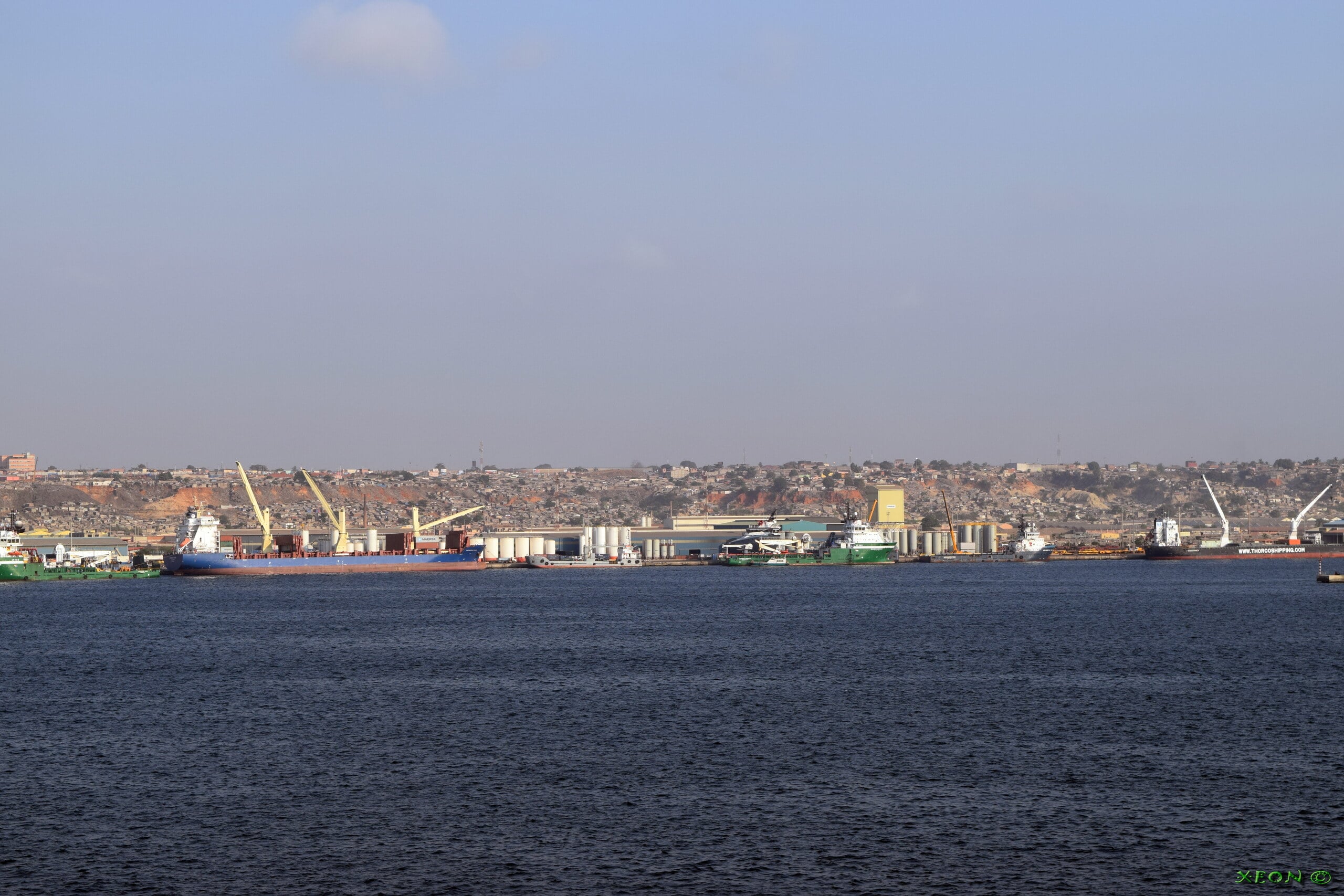
Angola, a former Portuguese colony on Africa’s south-west coast, used this year’s UN General Assembly week to push for slavery reparations. The most prominent voice was not President João Lourenço but his wife, First Lady Ana Dias Lourenço.
On Wednesday 23 September she told a New York forum that reparative justice is a legitimate right, not charity. State radio RNA and the Jornal de Angola newspaper reported her remarks.
What the First Lady said
The forum was organised by NEPAD, now the development agency of the African Union, the bloc of 55 African states. It covered reparative justice, the return of looted cultural objects and Africa’s creative economy.
Ana Dias Lourenço called reparations an imperative of restitution rather than benevolence, according to RNA. She also urged reform of the global financial system and new legal tools to support reparation claims under international law.
The account of her speech comes from Angolan state media, including the news agency Angop. No independent transcript was available.
The president’s quieter role
A week earlier, on Wednesday 16 September, President Lourenço joined a virtual meeting of the Global Advisory Council on Reparative Justice. Angop said leaders and envoys from African and Caribbean countries took part.
Ghana’s President John Dramani Mahama set up the council after a conference in Accra in June. It is meant to steer follow-up to a UN resolution on the slave trade, says the US-based Institute of the Black World.
Lourenço did not raise reparations from the podium, however. His General Assembly speech on Tuesday 22 September focused on wars, Security Council reform and African debt, UN News and DW reported.
Angola’s standing proposal: a UN fund
Angola’s main idea dates from June. In Accra, Minister of State Dionísio da Fonseca, speaking for the president, proposed an International Fund for Reparative Justice under UN auspices.
The fund would pay for education, health and programmes to reduce inequality in African and African-descendant communities, Forbes África Lusófona reported. Angola also proposed a truth-and-memory mechanism on slavery and colonialism.
Luanda ties the issue to reform of the UN Security Council, the 15-member body where five powers hold permanent seats and vetoes. Angola wants African countries admitted as permanent members.
Why Angola, and why now
The history is close to home for Angola. Luanda and Benguela were among the main ports from which enslaved Africans were shipped to the Americas, many of them to Brazil.
On 25 March 2026 the UN General Assembly adopted Resolution A/RES/80/250, promoted by Ghana. It declared the trafficking of enslaved Africans and racialised chattel slavery the gravest crime against humanity.
The African Union had already made 2025 its year of “Justice for Africans and People of African Descent Through Reparations”. Angola held the bloc’s rotating chair that year, before Burundi took over in February 2026.
That sequence explains the timing. The resolution gave the campaign a UN mandate. African and Caribbean governments are now debating what slavery reparations should mean in practice.
The Durban anniversary
On Monday 28 September, a UN General Assembly meeting in New York marked 25 years since the Durban Declaration, the 2001 global programme against racism. Angop reported that Ambassador Ana Maria de Oliveira restated Angola’s full support for it.
She is Angola’s permanent representative to the UN in Geneva. According to Angop, she cited the March resolution and called for concrete measures toward reparative justice.
What to watch next
For now this is diplomacy rather than policy. Angola has announced no claim, payment demand or measure that would affect visitors, investors or companies in the country.
The next test is whether the proposed UN fund wins sponsors and a formal mandate. Until then, slavery reparations remain an Angolan campaign theme voiced mainly by the First Lady and diplomats.
Frequently Asked Questions
What is Angola asking for on slavery reparations?
Angola proposes an International Fund for Reparative Justice under UN auspices, to pay for education, health and programmes that reduce inequality. It also wants a truth-and-memory mechanism on slavery and colonialism and the return of African cultural heritage.
Did President João Lourenço mention reparations at the UN General Assembly?
No. His 22 September speech focused on wars, Security Council reform and Africa’s debt burden. He took part in a virtual meeting of the Global Advisory Council on Reparative Justice on 16 September.
Why is the slave trade so important to Angola?
Luanda and Benguela were among the main ports of the transatlantic slave trade, sending enslaved people to the Americas, especially Brazil. That history underpins Angola’s diplomatic push for redress.
Connected Coverage
Sources
- rna.ao
- jornaldeangola.ao
- allafrica.com (Angop)
- allafrica.com (Angop)
- forbesafricalusofona.com
- news.un.org
- dw.com
- ibw21.org
- au.int
- myjoyonline.com
- aljazeera.com
- World Bank
This article was produced by The Rio Times’ automated newsroom system. How we use AI · Report an error
Read More from The Rio Times