IBOV 185,188.13 ▼ 0.01% IPSA 11,315.26 ▼ 1.14% IPC MEX 65,436.16 ▲ 0.85% MERVAL 3,058,093 — 0.00% COLCAP 2,534.46 ▲ 1.81% BVL PERÚ 59,719.97 ▲ 0.43% USD/BRL5.10▼ 0.19% USD/MXN16.90▼ 0.15% USD/CLP930.46▼ 0.06% USD/COP3,144▼ 0.51% USD/PEN3.35▼ 0.34% USD/ARS1,508▼ 0.17% USD/UYU40.23▲ 1.13% USD/PYG5,924▲ 2.31% USD/BOB12.30▲ 4.75% USD/DOP58.96▲ 0.79% USD/CRC447.49▲ 1.34% USD/GTQ7.63▲ 2.30% USD/HNL26.84▲ 1.66% USD/NIO36.62▲ 0.07% USD/VES805.37▲ 0.19% USD/PAB1.00— 0.00% USD/BZD2.00— 0.00% USD/JMD 157.28 — 0.00% USD/TTD6.65▲ 0.05% EUR/BRL5.93▲ 0.55% BRENT 88.88 ▼ 0.03% WTI 83.11 ▼ 0.11% IRON ORE 161.91 — — COPPER 6.61 ▲ 0.03% GOLD 4,461 ▲ 1.78% SILVER 65.59 ▲ 1.26% SOY 1,184 ▲ 3.20% CORN 480.50 ▲ 10.02% WHEAT 655.00 ▲ 3.93% COFFEE 317.25 ▼ 5.51% SUGAR 16.43 ▼ 1.79% ORANGE JUICE 138.55 ▼ 0.47% COTTON 85.03 ▲ 2.33% COCOA 5,719 ▲ 3.18% BEEF 223.60 ▼ 3.93% CATTLE 339.10 ▼ 3.16% LITHIUM 75.20 ▲ 1.47% PETR4 41.64 ▼ 0.05% VALE3 72.97 ▲ 0.83% ITUB4 38.60 ▼ 1.03% BBDC4 16.85 ▲ 0.36% ABEV3 14.89 ▼ 0.80% BBAS3 19.37 ▲ 0.47% B3SA3 14.26 ▼ 0.21% WEGE3 47.59 ▲ 0.49% PRIO3 59.14 ▼ 0.19% SUZB3 41.33 ▲ 2.35% RENT3 34.68 ▼ 0.09% AZZA3 15.89 ▼ 2.63% CSAN3 3.22 ▼ 1.83% RAIZ4 0.25 — 0.00% PCAR3 2.75 ▼ 0.36% GMAT3 3.65 ▼ 1.08% PSSA3 48.13 ▼ 0.54% CVCB3 1.33 ▼ 2.92% POSI3 3.36 ▲ 2.44% SLCE3 13.34 ▲ 0.30% NATU3 8.14 ▼ 0.73% IBOV 185,188.13 ▼ 0.01% IPSA 11,315.26 ▼ 1.14% IPC MEX 65,436.16 ▲ 0.85% MERVAL 3,058,093 — 0.00% COLCAP 2,534.46 ▲ 1.81% BVL PERÚ 59,719.97 ▲ 0.43% USD/BRL 5.16 ▲ 0.01% USD/MXN 17.06 ▼ 0.24% USD/CLP 913.98 ▲ 0.04% USD/COP 3,140 ▲ 0.03% USD/PEN 3.36 ▼ 0.66% USD/ARS 1,493 ▲ 0.10% USD/UYU 40.27 ▲ 1.24% USD/PYG 5,939 ▲ 1.68% USD/BOB 11.64 ▼ 0.76% USD/DOP 58.34 ▲ 1.25% USD/CRC 445.92 ▲ 0.89% USD/GTQ 7.62 ▲ 2.21% USD/HNL 26.79 ▲ 1.57% USD/NIO 36.62 ▲ 0.69% USD/VES 762.44 ▼ 0.13% USD/PAB 1.00 — 0.00% USD/BZD 2.00 — 0.00% USD/JMD 157.28 — 0.00% USD/TTD 6.70 ▲ 0.61% EUR/BRL 5.95 ▲ 1.01% BRENT 88.88 ▼ 0.03% WTI 83.11 ▼ 0.11% IRON ORE 161.91 — — COPPER 6.61 ▲ 0.03% GOLD 4,461 ▲ 1.78% SILVER 65.59 ▲ 1.26% SOY 1,184 ▲ 3.20% CORN 480.50 ▲ 10.02% WHEAT 655.00 ▲ 3.93% COFFEE 317.25 ▼ 5.51% SUGAR 16.43 ▼ 1.79% ORANGE JUICE 138.55 ▼ 0.47% COTTON 85.03 ▲ 2.33% COCOA 5,719 ▲ 3.18% BEEF 223.60 ▼ 3.93% CATTLE 339.10 ▼ 3.16% LITHIUM 75.20 ▲ 1.47% PETR4 41.64 ▼ 0.05% VALE3 72.97 ▲ 0.83% ITUB4 38.60 ▼ 1.03% BBDC4 16.85 ▲ 0.36% ABEV3 14.89 ▼ 0.80% BBAS3 19.37 ▲ 0.47% B3SA3 14.26 ▼ 0.21% WEGE3 47.59 ▲ 0.49% PRIO3 59.14 ▼ 0.19% SUZB3 41.33 ▲ 2.35% RENT3 34.68 ▼ 0.09% AZZA3 15.89 ▼ 2.63% CSAN3 3.22 ▼ 1.83% RAIZ4 0.25 — 0.00% PCAR3 2.75 ▼ 0.36% GMAT3 3.65 ▼ 1.08% PSSA3 48.13 ▼ 0.54% CVCB3 1.33 ▼ 2.92% POSI3 3.36 ▲ 2.44% SLCE3 13.34 ▲ 0.30% NATU3 8.14 ▼ 0.73%
since 2009
Friday, September 4, 2026

Brazil Business - Brazil

99’s Billion-Real Comeback: Shaking Up Brazil’s Food Delivery Market

By · July 16, 2025 · 2 min read

Daily Brief

The morning intel from across Latin America. Free.

By subscribing you agree to our privacy policy. We never share your email.

Chinese technology company Didi Global will invest R$1 billion in relaunching its food delivery service, 99Food, in Brazil by mid-2025.

The announcement comes as Brazil’s food delivery market, currently valued at more than US$1.3 billion and projected to exceed US$4.5 billion over the next decade, faces rising competition and new regulatory changes.

Didi aims to challenge iFood, which maintains a dominant share of the market and processes tens of millions of food orders each month.

Didi acquired the ride-hailing firm 99 in 2018. Today, it operates in 3,300 Brazilian cities and serves over 55 million users through ride-hailing and financial services.

This broad network gives Didi a strong base for scaling its food delivery operation. By contrast, iFood’s presence is concentrated in about 1,500 cities, though it remains the largest delivery platform in the country.
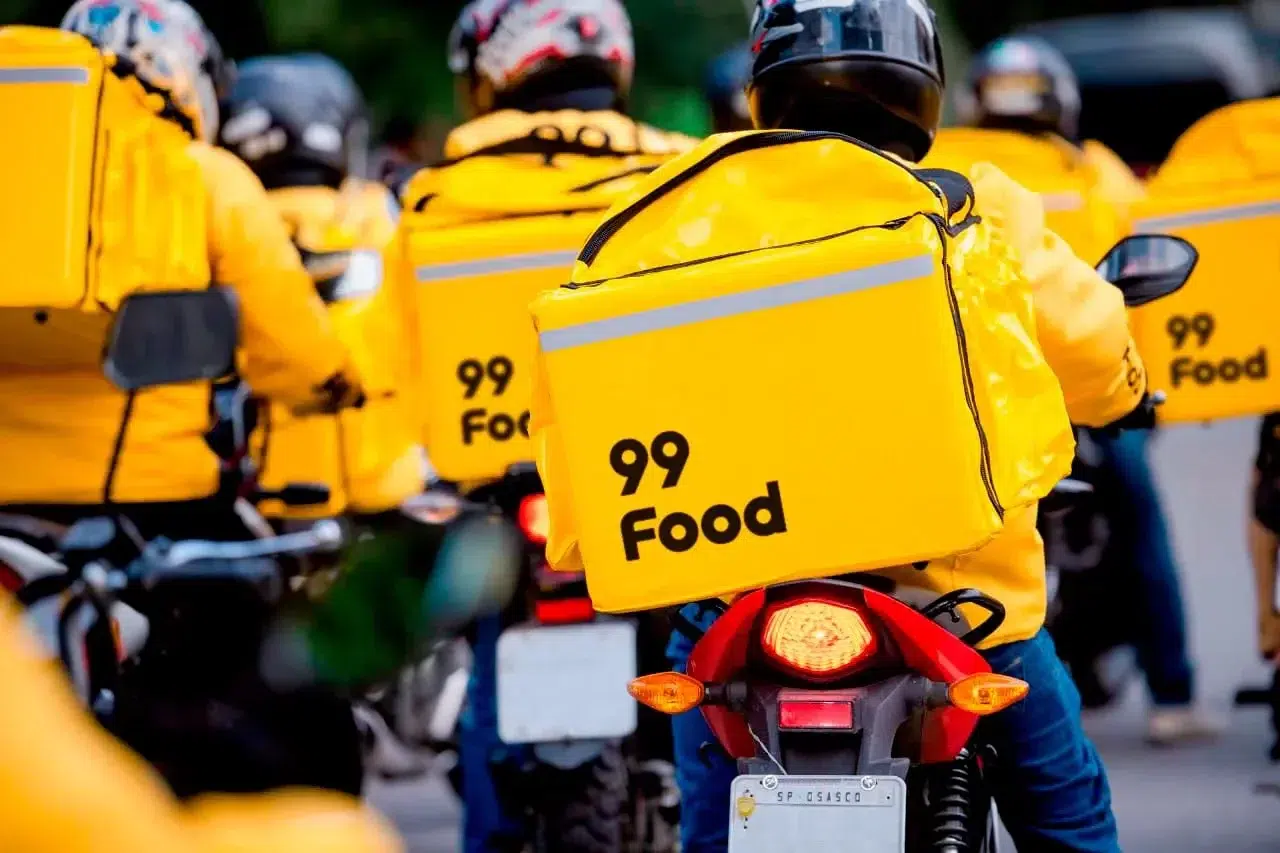
99's Billion-Real Comeback: Shaking Up Brazil's Food Delivery Market
99’s Billion-Real Comeback: Shaking Up Brazil’s Food Delivery Market.
One-stop reference
Company Intelligence
Every listed company in Latin America — financials, ownership and structure for 1,450+ companies across 26 exchanges, in one place.
Browse the directory →
RT
Ask Rio Times
Latin American markets, currencies and companies.
Open the full Ask Rio Times →

A major regulatory shift in 2023 changed the competitive landscape. Brazil’s antitrust authority restricted the use of exclusive contracts between dominant platforms and large restaurant groups.

The decision removed a significant barrier that had prevented other companies from entering or expanding in the sector and created space for rivals like 99Food to re-enter the market.

99Food plans a phased rollout starting with cities like Goiânia and São Paulo. Its offer to waive commission fees for restaurants for 24 months represents a sharp contrast to the high commission rates historically charged by other platforms.

Didi Launches Bold Push Into Brazil’s Delivery Market

This strategy seeks to attract restaurants by improving their profit margins and offering fairer conditions. It also enables lower prices for consumers, since many restaurants passed delivery fees onto final menu prices.

Didi’s broader goal is to integrate ride services, deliveries, and digital banking into one platform. Its payments arm, 99Pay, already supports tens of millions of account holders and processes billions in loans and balances.

This positions it as a central part of the company’s super app strategy. This multi-service model mirrors Didi’s approach in other Latin American markets, including Mexico.

Estimates suggest that nearly one in three restaurants in Brazil still operate without delivery through digital platforms. Didi’s partnership with local restaurant associations could bring thousands of small and medium food businesses online for the first time.

By offering a cost-free entry, Didi lowers the threshold for these businesses to join the digital economy. The Brazilian delivery sector is expanding rapidly, with strong demand from an urban population seeking convenience and competitive pricing.

Didi’s large investment and broad local infrastructure present the first serious challenge to iFood in years. Whether this competition translates to long-term market change will depend on pricing, service quality, and sustained adoption by smaller restaurants and consumers alike.

This article was produced by The Rio Times’ automated newsroom system. How we use AI · Report an error

Read More from The Rio Times

The Rio Times · Power Map
See who really holds power in Latin America
Click to open the Power Map

Rotate for Best Experience

This report is optimized for landscape viewing. Rotate your phone for the full experience.