The Rise of the Coelho Diniz Family in Brazil’s National Supermarket Giant GPA
The Coelho Diniz family, who operate a successful 24-store supermarket chain in the Brazilian state of Minas Gerais, now own nearly 18% of Grupo Pão de Açúcar (GPA), Brazil’s second-largest grocery retailer.
This makes them the second-largest shareholder in the company, just behind the French investment group Segisor, which holds about 22.5%. According to company filings on July 14, 2025, each of the five adult family members now owns 3.54% of GPA’s ordinary shares.
Their stake has grown from 10% in mid-2024 to 17.7% today. GPA confirmed the update to Brazil’s securities regulator (CVM). GPA owns key supermarket brands like Pão de Açúcar and Extra.
It operates as a corporation without a controlling shareholder—over 53% of its shares are traded freely in the market. That means that even the largest shareholders must build coalitions to influence decisions.
This gives the Coelho Diniz family real voting power. One family member, André Luiz Coelho Diniz, already sits on the company’s board.
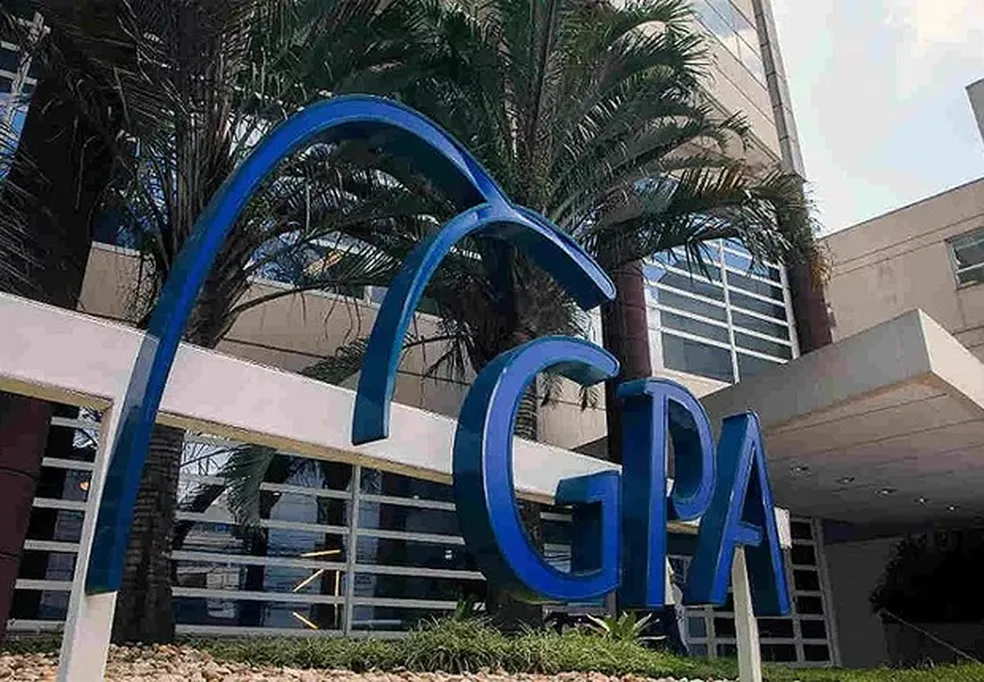
The family has said through formal communications that it doesn’t plan to take control but wants stronger influence over decisions. The move comes during broader shifts in the Brazilian retail sector.
International parent company Casino, which once controlled GPA through Segisor, has reduced its involvement since 2024, selling off assets and reshaping its investments.
These changes left GPA more exposed to local forces — and more open to new power players. Another player, the American investment firm Nuveen, holds a smaller but still significant stake, though recent filings show its share has dropped below the 8% range.
Brazilian investor Nelson Tanure also made a brief push to gain board seats earlier this year. However, he later cut his position below 5%, giving the Coelho Diniz family more room to expand influence.
For now, GPA remains governed by negotiation. Its leadership must balance the interests of family businesses, local investors, and foreign funds. With no clear controller, alliances among shareholders shape all major decisions from pricing strategies to expansion plans.
The rise of a regional Brazilian family group inside a listed national retailer points to a shift in corporate power — from global financial control to domestic, business-minded stakeholders.
These changes can affect how stores operate, how supply chains are managed, and how companies plan for the future. This trend matters across Latin America, where multinationals once dominated retail.
Now, families running local chains are stepping up, buying in, and shaping the future of major public companies like GPA — with steady influence, not flashy takeovers.
More: Brazil news in English, every day from The Rio Times.
Live Company IntelligenceCompanhia Brasileira de Distribuição — the full investor dossier
Valuation & profitability
Price & risk
$1.4052-wk high
$4.23
Revenue trend · 6y
Ownership
Dividend
This article was produced by The Rio Times’ automated newsroom system. How we use AI · Report an error
LatAm Markets: Live Signals → — real-time movers, turnover leaders and FX across Latin America.
Read More from The Rio Times