The Debutant Ceiling: How Far the World Cup’s Newcomers Really Got
Sport
Key Facts
—The experiment. The 2026 tournament was the first with 48 teams and a 32-side knockout round, widening the door for smaller nations.
—The debutant. Cabo Verde, a nation of about 525,000 people, was the only tournament debutant to reach the last thirty-two, and lost 3-2 to Argentina after extra time on July 3.
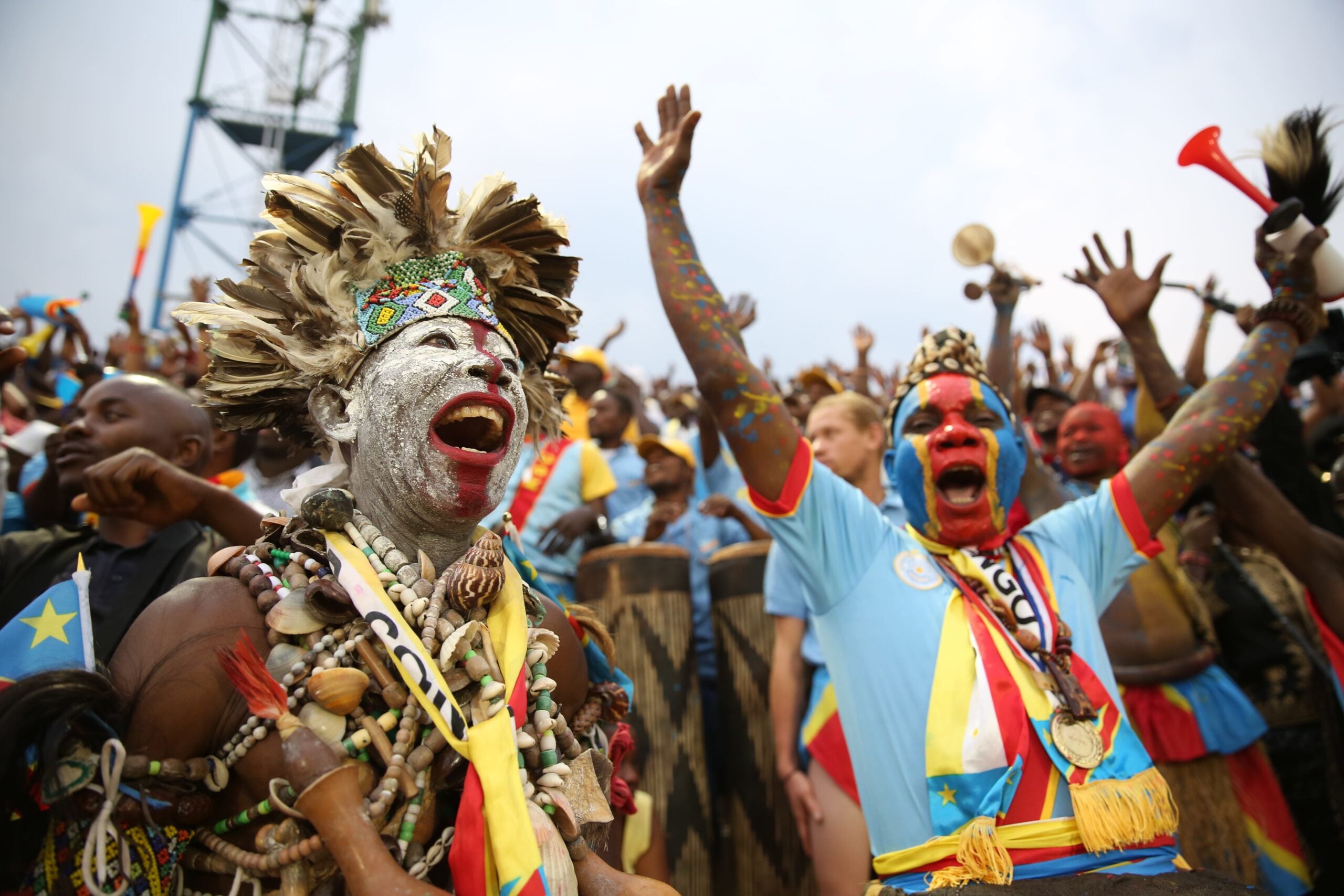
—The returnee. DR Congo, in their first finals since playing as Zaire in 1974, led England before Harry Kane’s late double sealed a 2-1 win.
—The first-timers in the last 32. South Africa reached a World Cup knockout round for the first time, then lost 1-0 to Canada on a stoppage-time goal.
—The Latin American edge. South American and host-nation sides ended two of those three runs, with Argentina beating Cabo Verde and Canada beating South Africa.
—The pattern. All three newcomers fell at the same hurdle, but none was beaten easily, and each pushed a stronger side deep into the game.
The first 48-team World Cup was built to let smaller nations in, and the class of World Cup debutants and first-time qualifiers did more than make up the numbers. Every one of them reached the knockout rounds and then lost by the narrowest of margins, which is a small but telling verdict on the whole experiment.
For a reader following from London or Munich, the shape of this tournament matters beyond the scores. It is the first real test of whether a bigger World Cup dilutes the drama or spreads it, and the newcomers have delivered an early answer.
What the World Cup debutants actually achieved
Four nations arrived at this World Cup for the first time in their history: Cabo Verde, Curacao, Jordan and Uzbekistan. Of that group, only Cabo Verde survived the group stage and reached the last thirty-two.
The islands, home to barely half a million people, became the smallest nation ever to reach a World Cup knockout round. They did it without losing a group game, drawing with Spain, Argentina and Saudi Arabia to edge out the two-time champions from South America.
Two other newcomers stretched the definition in useful ways. South Africa reached a knockout round for the first time, and DR Congo returned to the finals for the first time since the country competed as Zaire more than half a century ago.
A shared ceiling, reached by the thinnest margins
The striking part is not that all three went out in the round of thirty-two. It is how close each of them came to going further.
Cabo Verde took the reigning champions Argentina to extra time in Miami before losing three goals to two. The decisive goal was an own goal in the second period of extra time, after the islanders had twice pulled level, including a long-range strike that many called the finest in their footballing history.
According to match data cited by ESPN, Cabo Verde produced barely a fraction of the chances Argentina created, generating an expected-goals figure of around zero point four five against the champions’ two point one six. Yet they still forced the holders into the longest and most anxious night of their title defence.
DR Congo went one better in the story if not the result. They led England through an early goal and held that lead deep into the second half, before Harry Kane scored twice in the closing quarter of an hour to rescue a two-one win for the pre-tournament favourites.
South Africa, in their first knockout match ever, lost only to a goal deep in stoppage time. Canada needed a strike from Stephen Eustaquio in second-half added time to break a stubborn defensive effort in the very first round-of-thirty-two game in World Cup history.
Why Latin America keeps showing up on the other side
For readers in the region, there is a neat thread running through these exits. Two of the three newcomer runs were ended by teams from the Americas.
Argentina, the South American champions, needed extra time to see off Cabo Verde. Canada, a co-host and a country still new to this stage itself, ended South Africa’s run with that late goal in Los Angeles.
The Rio Times notes that this is one reading of a wider trend, in which established football powers and confident host nations are the natural gatekeepers to the later rounds. The bigger tournament lets the newcomers in, but it is still the traditional forces that decide how far they travel.
Which World Cup debutants reached the knockout rounds in 2026?
Of the four first-time nations at the 2026 World Cup, only Cabo Verde reached the round of thirty-two. Curacao, Jordan and Uzbekistan were all eliminated in the group stage.
How did Cabo Verde lose to Argentina?
Cabo Verde lost three goals to two after extra time on July 3 in Miami. They twice equalised in normal time before an own goal in the second period of extra time settled the tie in Argentina’s favour.
Was DR Congo a World Cup debutant?
Not quite. DR Congo were playing their first World Cup finals since 1974, when the country competed as Zaire, so 2026 was their first-ever appearance in a World Cup knockout match rather than their first appearance at the tournament.
More: DR Congo news in English, every day from The Rio Times.
How did Cabo Verde perform at the 2026 World Cup despite being a small nation?
Cabo Verde, a nation of approximately 525,000 people, was the only tournament debutant to reach the last thirty-two. They lost 3-2 to Argentina after extra time on July 3, showing they were far from easy opponents.
What was historically significant about DR Congo's appearance at the 2026 World Cup?
DR Congo were appearing in their first World Cup finals since competing as Zaire in 1974. They actually led England before Harry Kane's late double sealed a 2-1 victory for England.
Did South Africa achieve anything notable at the 2026 World Cup?
Yes, South Africa reached a World Cup knockout round for the first time in their history. However, they were eliminated by Canada, losing 1-0 to a stoppage-time goal.
Connected Coverage
World Cup 2026 Cape Verde Take On Champions Argentina
Frequently Asked Questions
This article was produced by The Rio Times’ automated newsroom system. How we use AI · Report an error · Editorial responsibility: Matthias Camenzind, Editor-in-Chief