Analysts Say Mexico’s World Cup Economic Boost Will Be Modest
Mexico · Business
Key Facts
- —The verdict banks and economists call the World Cup’s boost for Mexico modest, not a windfall
- —The range most estimates land near 0.1% to 0.5% of GDP, or a few billion dollars
- —Moody’s view about 0.13 percentage points added to Mexico’s 2026 GDP growth
- —The math Mexico hosts only 13 of the 104 matches, about 12.5% of the tournament
- —Host cities Mexico City, Guadalajara and Monterrey carry the tournament for Mexico
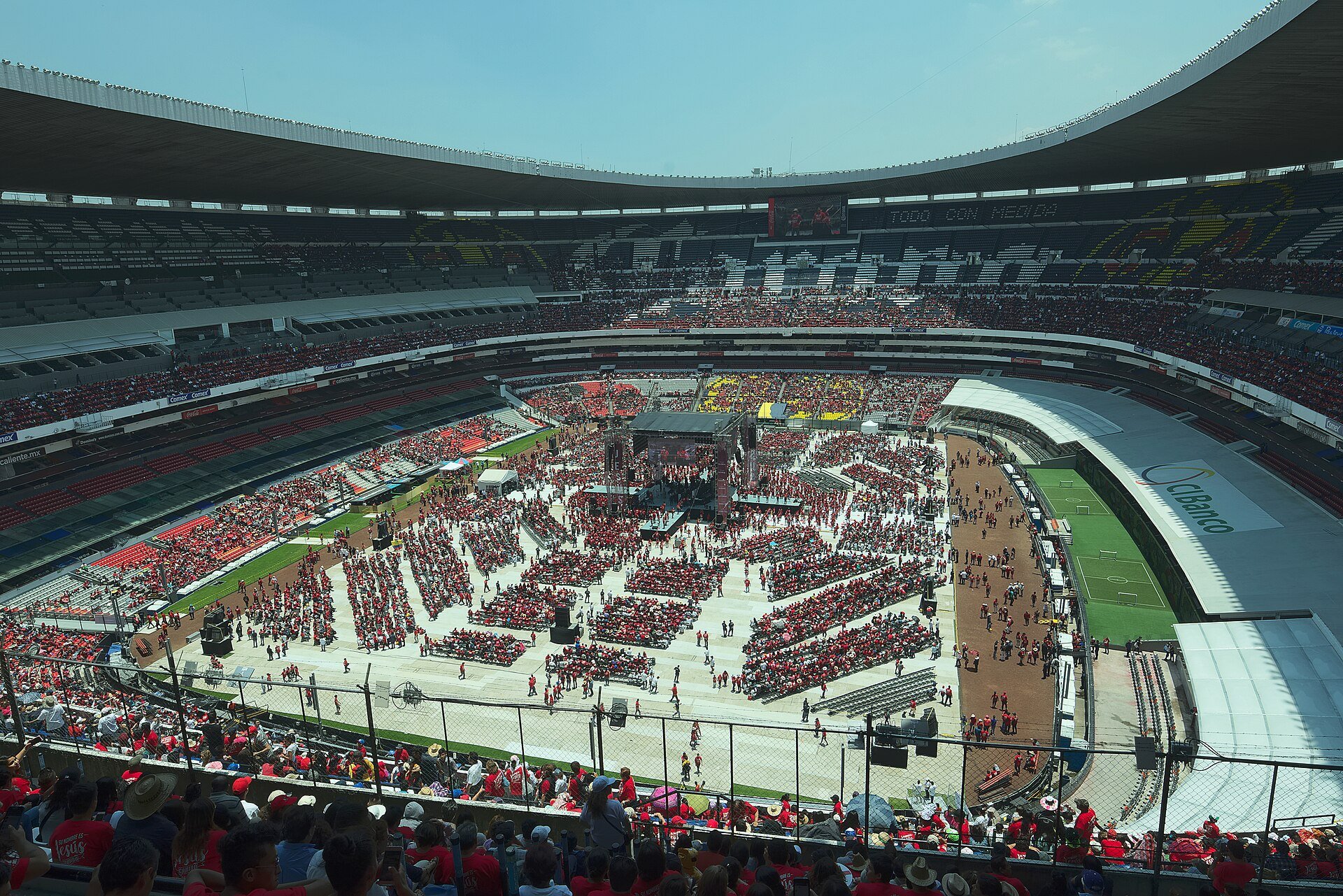
Estadio Azteca will roar for a few summer weeks. Yet the money analysts expect to reach Mexico’s wider economy is far smaller than the fanfare suggests.
The World Cup will hand Mexico a real but modest economic lift, analysts say, rather than the windfall many fans expect. Most estimate the 2026 tournament will add only a few tenths of a percentage point to the country’s GDP.
What the Analysts Are Saying
A striking number of banks and economists have reached the same conclusion. In short, the tournament is good news for Mexico, but not the game-changer the headlines imply.
Moody’s estimates the event will add about 0.13 percentage points to Mexico’s 2026 GDP growth. S&P Global calls the impact plainly modest, at roughly 0.1 to 0.2 percentage points.
Banorte lands higher, at 0.4% to 0.5% of GDP, and even that was cut from an earlier 0.62%. Because the estimates keep drifting down, the modest label has stuck.
The World Cup Math for Mexico
The core reason is simple arithmetic. Mexico hosts only 13 of the 104 total matches, so most of the tournament happens elsewhere.
That works out to about 12.5% of all games. The United States stages the bulk of the event, with Canada also co-hosting.
So the spotlight is shared three ways. As a result, the spending, the crowds and the television money spread across a continent rather than pooling in one country.
The Numbers Behind the Modest Call
The dollar estimates are healthy in isolation but small against a large economy. Banamex puts the total impact near US$2 billion, or about 0.1% of GDP.
Allianz Trade pencils in roughly US$1.7 billion for Mexico and calls the effect a positive yet modest demand shock. Deloitte’s pre-tournament work saw US$2.25 billion to US$2.73 billion in added value.
That Deloitte range translated to about 0.14% of GDP. It also implied 92,700 to 112,200 temporary jobs, a welcome but short-lived bump.
Why Only a Fraction Lands in Mexico
The tournament is brief, running across a single summer. Because the window is so short, any boost fades almost as fast as it arrives.
The Mexican economy is also very large. Even billions of dollars in spending barely move a needle measured in the trillions.
The gains, moreover, are highly local. Instead of lifting the whole country, the money clusters in host cities, tourism and services.
The Tourism Gap
Nowhere is the gap between hope and reality clearer than in tourism. Sectur, the federal tourism ministry, forecast about 5.5 million visitors tied to the event.
Analysts see far fewer. Moody’s, for example, projected only about 768,000 visitors across the three host cities, a fraction of the official target.
The mix matters too. Earlier reporting found roughly 3 million foreign visitors came for the tournament, yet about 60% were day-trippers who never booked a hotel.
Where the Money Actually Goes
Not every peso spent is new money for Mexico. Some of it is simply shifted from other domestic spending, a diversion rather than a genuine addition.
Ticket revenue is another leak. FIFA collects that income, so it flows to the organiser rather than into the host economy.
Even the stadium upgrades tell a mixed story. Because several projects were already planned or separately financed, they add less new activity than they appear to.
The Host Cities in the Spotlight
Three cities carry the tournament for Mexico. Mexico City anchors the show at the storied Estadio Azteca, now also styled Estadio Banorte.
Guadalajara, in the state of Jalisco, and Monterrey, in Nuevo Leon, round out the trio. These are among Mexico’s largest and most industrialised metros.
Their hotels, restaurants and transport networks see the clearest gains. Still, a strong few weeks in three cities does not reshape a national economy.
What the Post-Tournament Data Shows
Early post-event figures point in the same direction as the forecasts. The best-supported headline number puts the total impact near US$2.54 billion.
That equals about 0.12% of GDP, slightly below the 0.14% some had earlier expected. In other words, the outcome landed at the modest end of the range.
Some final visitor tallies remain unsettled and disputed. So the cleanest confirmed measure of the boost is still that GDP figure rather than any single headcount.
The Case for a Bigger Boost
The story is not all caution, and the tournament brought real benefits. It filled hotels, drew global attention and gave host cities a genuine lift.
Backers also point to lasting gains that are hard to measure. Improved airports, transport and Mexico’s image as a destination could pay off for years.
Government voices have highlighted these longer-term returns. Even so, most independent analysts keep their headline GDP numbers firmly in modest territory.
A Lesson From Past Hosts
Mexico’s experience fits a familiar pattern. Economists have long warned that the promised riches from mega-events tend to shrink once the final whistle blows.
The upfront costs are concrete and paid in advance. The wider returns, by contrast, are diffuse and often arrive slowly, if at all.
That is why cautious forecasts have aged well here. In fact, the modest early estimates now look closer to the mark than the government’s rosier hopes.
What It Means for Mexico
For fans, the World Cup was a summer to remember. For the economy, it was a pleasant tailwind rather than a turning point.
The lesson echoes past host nations. Because mega-events are short and costs are real, the promised windfalls often shrink under scrutiny.
Mexico still gained from the party and the exposure. Overall, though, the numbers confirm what the analysts said all along, that the boost would be modest.
More: Mexico news in English, every day from The Rio Times.
How big is the World Cup’s economic boost for Mexico?
Analysts put it near 0.1% to 0.5% of GDP, or a few billion dollars. Moody’s estimated about 0.13 percentage points added to Mexico’s 2026 growth.
Why do analysts call the effect modest?
Mexico hosts only 13 of the 104 matches, and the tournament is short. Against a very large economy, even billions in spending barely move national output.
Which Mexican cities hosted matches?
Mexico City, Guadalajara and Monterrey were the three host cities. Mexico City staged games at the Estadio Azteca, now also styled Estadio Banorte.
How many visitors did the tournament bring to Mexico?
Sectur forecast about 5.5 million visitors, but analysts saw far fewer. Moody’s projected roughly 768,000 across the host cities, and many were day-trippers.
Connected Coverage
Sources: Reuters, S&P Global Market Intelligence, Moody’s Analytics, Banorte, Banamex/Citi, Allianz Trade, Deloitte, and Mexico’s Sectur tourism ministry (2026).
Frequently Asked Questions
This article was produced by The Rio Times’ automated newsroom system. How we use AI · Report an error · Editorial responsibility: Matthias Camenzind, Editor-in-Chief