Violence Against LGBTQIA+ in São Paulo Rises 970% in Eight Years
A new report from Instituto Pólis reveals a 970% increase in violence against LGBTQIA+ individuals in São Paulo from 2015 to 2023, with 2,298 cases documented.
Physical violence accounted for 45% of incidents, while psychological and sexual violence surged by 29% and 10%, respectively.
Alarmingly, nearly half of the cases occurred at home. Six out of ten victims faced attacks from family members or acquaintances.
Most assaults, driven by homophobia, lesbophobia, or transphobia, occurred in peripheral neighborhoods like
- Itaim Paulista (123 victims)
- Cidade Tiradentes (103 victims), and
- Jardim Ângela (100 victims).
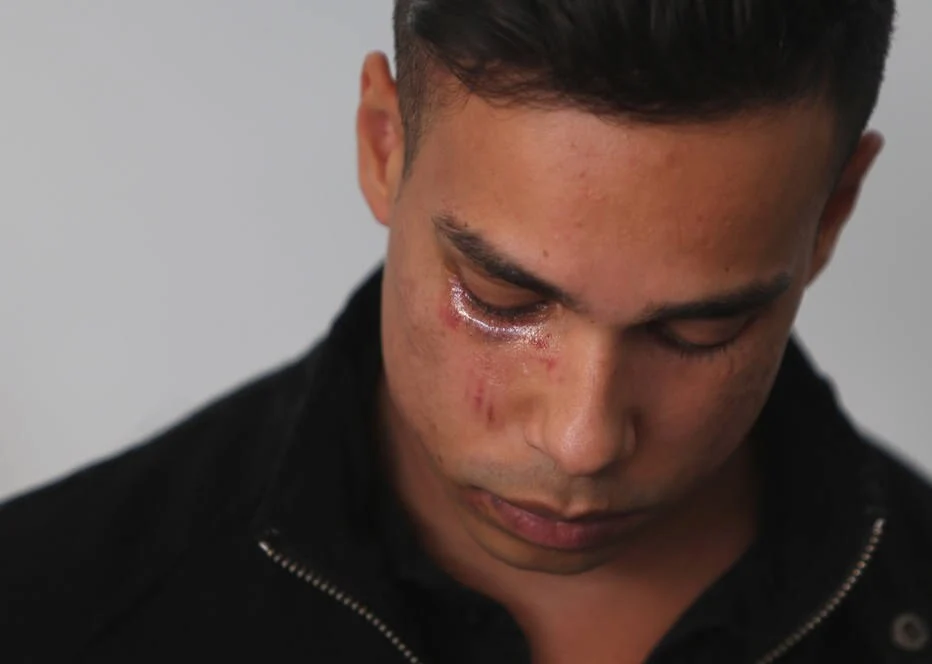
The report, “Violências LGBTQIAPN+ na cidade de São Paulo,” shows a 1,424% increase in police reports from 2015 to 2022, totaling 3,868 victims.
Central areas like República (160 victims), Bela Vista (102 victims), and Consolação (96 victims) saw the most police-reported cases.
Rodrigo Iacovini, executive director of Instituto Pólis, attributed the rise to societal narratives and political discourse.
He noted that increased reporting reflects greater awareness that LGBTQIA+ phobia is a crime.
The B.O. online system made reporting easier, especially for women, who now account for 51% of reports. In physical police stations, women make up only 32% of reports.
The online system improved access for low-income individuals, accounting for 82% of reports in low-income districts versus 72% in higher-income areas.
Violence Against LGBTQIA+ in São Paulo Rises 970% in Eight Years
Most victims are Black (55%) and young, with 69% under 29 years old.
This highlights dual discrimination faced by Black LGBTQIA+ individuals, experiencing both racism and LGBTQIA+ phobia.
Many fear reporting to the police due to potential further abuse.
Iacovini suggests reducing violence by making public spaces safer, training security professionals, and educating about LGBTQIA+ phobia as a crime.
He emphasizes listening to LGBTQIA+ communities to build effective rights mechanisms.
The study used data from the Civil Police and health services in São Paulo.
Health service records capture severe cases requiring medical attention, while police reports include verbal, symbolic, or physical aggression.
Instituto Pólis will publish the complete study on May 17, World Day Against LGBTQIA+ Phobia.
Download the report here.
More: Brazil news in English, every day from The Rio Times.
This article was produced by The Rio Times’ automated newsroom system. How we use AI · Report an error · Editorial responsibility: Matthias Camenzind, Editor-in-Chief
Living in or visiting São Paulo? See this month's events and our São Paulo city guide with rents, safety and upcoming concerts.