U.S. Job Search Gets Tougher as Productivity Lifts, Households Lean on Credit in July
On August 7, 2025, new reports showed the U.S. job market is slowing while Americans juggle higher debt. First-time unemployment claims climbed to 226,000 last week—more than experts expected.
The number of people who keep drawing jobless benefits also rose, topping 1.97 million and reaching its highest since late 2021. These increases mean laid-off workers face a harder time finding their next job, even though widespread layoffs are not happening.
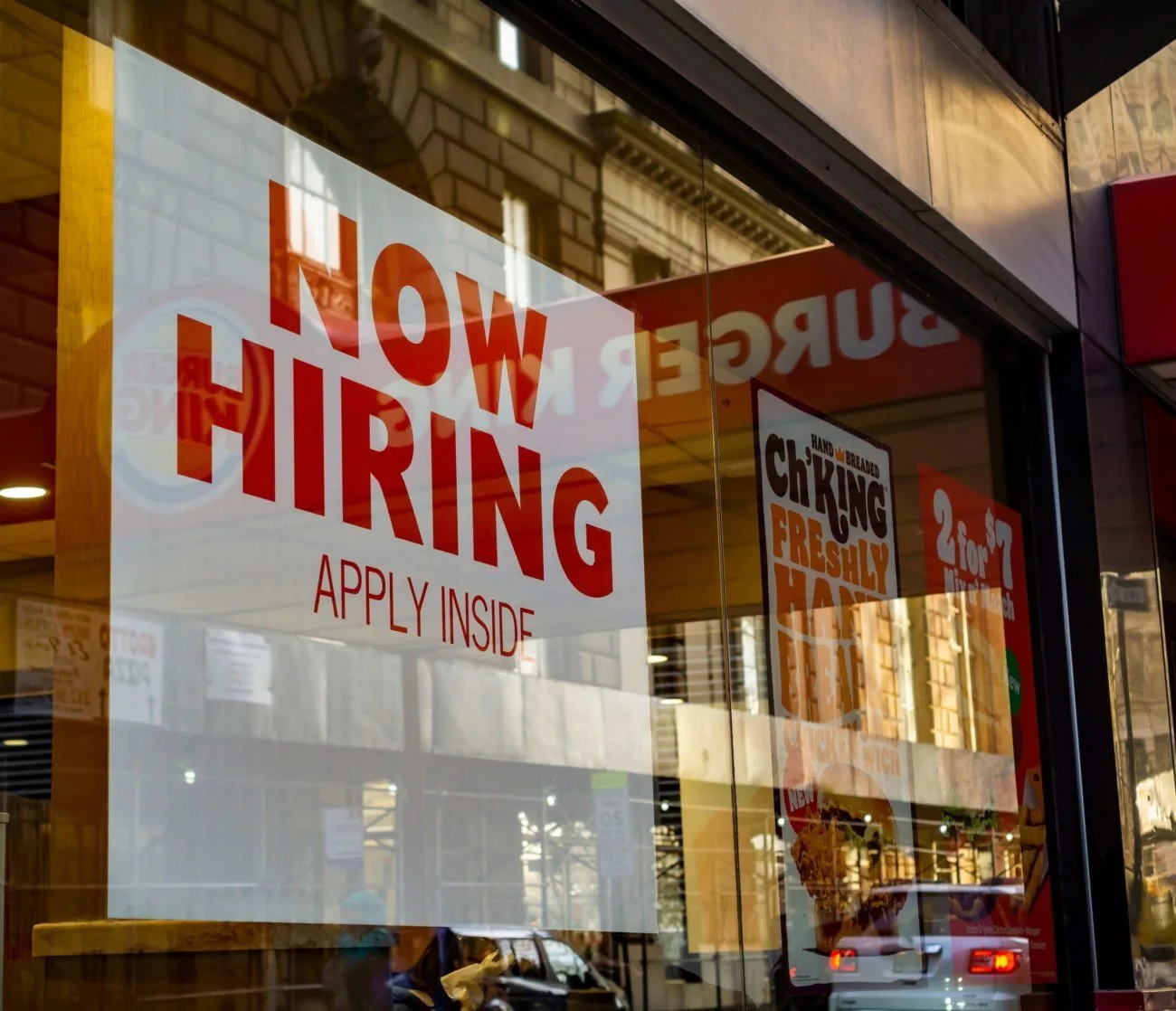
The pace of hiring has clearly pulled back. In July, the nation gained only 73,000 new jobs, falling short of predictions. Previous months were revised down.
Unemployment crept up to 4.2%, making it a bit tougher for job seekers. Still, experts see this as a step towards a more normal market after a long stretch of rapid hiring, not an outright downturn.
There is a bright spot: companies became more productive last quarter. Productivity grew 2.4% between April and June, a solid rebound after a drop earlier this year.
Businesses managed to turn out more goods and services with only a small increase in work hours. Wages still grew, but at a slower pace; boss’s labor costs rose 1.6%, much less than at the start of 2025.
Wholesale trade moved forward too, with companies selling slightly more goods and keeping inventory levels under control. Firms now need less cushion in stock, suggesting supply chains are steadier and buyers are planning better.
U.S. Households Navigate Slower Growth
American families have their own balancing act. Many still expect everyday prices to rise, but not as quickly as before. Consumer borrowing keeps climbing: total household debt is up 2% from a year ago to nearly $18 trillion.
While spending has not stopped, credit card and car loan debts keep rising, and recent months showed the slowest growth in new consumer debt in over a year.
The story behind these numbers is one of a major economy cooling off rather than cracking. Fewer jobs are being created, but most Americans still have work.
Companies squeeze out more productivity and ease their wage costs, but families rely more on borrowed money and face a slower job market.
For the U.S., the challenge is to keep stability: steady paychecks, healthier company finances, and consumer budgets that can weather setbacks. The real test now is how well the country adapts to a world where growth means staying nimble and secure, instead of just fast.
This article was produced by The Rio Times’ automated newsroom system. How we use AI · Report an error · Editorial responsibility: Matthias Camenzind, Editor-in-Chief