German Industry Slides as France and UK Face New Economic Hurdles
On August 7, 2025, newly released figures showed that Europe and the United Kingdom are dealing with big economic challenges caused by global trade issues and uncertain growth prospects.
Germany’s numbers highlight an important shift. The country’s exports rose only 0.8% in June, while imports jumped 4.2%. This change shrank Germany’s trade surplus to €14.9 billion from €18.6 billion in May.
Many German companies sped up imports, worried about new international tariffs. However, exports—especially those to the U.S.—continued to slip.
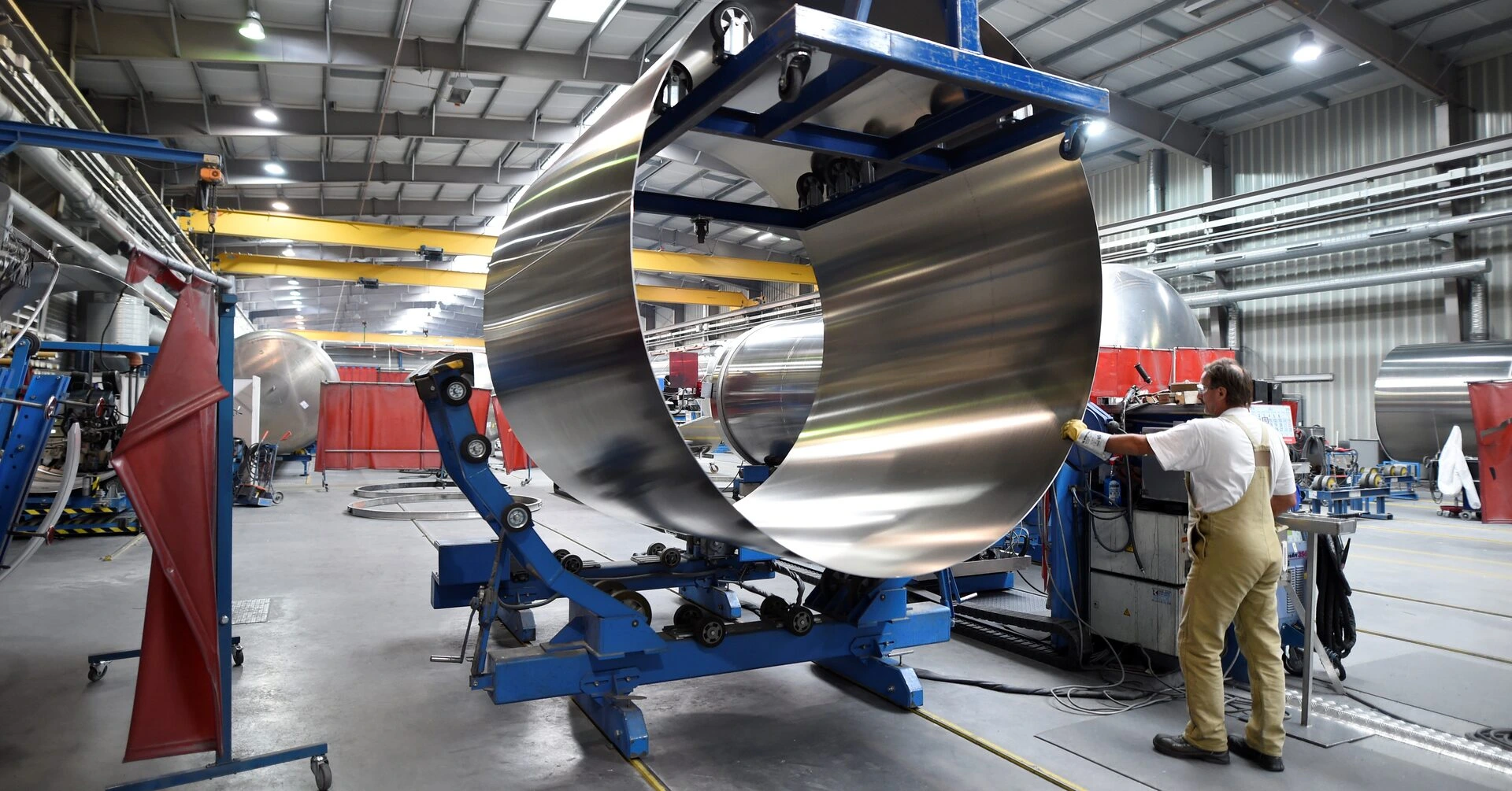
At the same time, German industrial production dropped sharply, falling 1.9% compared to the prior month and more than 3.5% over the year. Germany, long known for its strong manufacturing and exports, now finds itself squeezed by higher costs and increasing trade barriers.
In France, the picture is similar. The trade deficit stayed wide at €7.6 billion in June. Exports rose to €50.6 billion thanks to higher shipments of energy and transport products, but imports grew even faster, reaching €58.3 billion.
France’s current account deficit grew as the country relied more on goods from abroad, showing how vulnerable its supply chains are to global disruptions.
In the UK, economic growth is also running into trouble. The Bank of England responded by lowering its main interest rate to 4.0%, hoping to counteract slow wage growth and a weaker job market.
House prices grew 2.4% from last July, but monthly growth nearly stalled at just 0.4%. Even with reduced borrowing costs, the housing market shows only mild strength.
These clear numbers reveal a broader trend. As global trade becomes harder and less predictable, Europe’s core economies are taking a hit. Traditional strengths such as manufacturing and export power are no longer a guarantee of success.
Policy makers are responding carefully, cutting rates but avoiding bigger risks, while businesses need to rethink the old ways and prepare for new disruptions.
The bigger story behind these facts is about adjustment rather than recovery. Europe’s economic future will depend less on bouncing back and more on learning how to adapt fast to a changing world.
Companies and governments must accept this challenge head-on, knowing that flexibility, not routine growth, will now be the most valuable asset.
This article was produced by The Rio Times’ automated newsroom system. How we use AI · Report an error
Read More from The Rio Times