Trump’s Steel Tariffs and China’s Oversupply Squeeze Brazil’s Export Options
Brazil, the second-largest steel exporter to the United States, faces mounting challenges after Donald Trump reinstated a 25% tariff on global steel imports on February 10, 2025.
The U.S. market, which absorbs 40% of Brazil’s 9.6 million tons of annual steel exports, is critical for Brazilian producers. However, the tariff threatens this trade flow, forcing Brazil to seek alternatives in an already oversaturated global market dominated by cheap Chinese steel.
China accounts for nearly 90% of Brazil’s flat steel imports, often at prices Brazilian producers deem unfairly low. Efforts to redirect exports to other regions face hurdles as global demand for semi-finished products like slabs stagnates.
Europe and other markets have also implemented protective measures against Chinese steel, leaving few viable options for Brazilian exporters. The U.S., meanwhile, continues to invest in domestic production capacity.
For example, the Calvert steel mill in Alabama—dependent on Brazilian slabs—is nearing completion of an electric arc furnace capable of producing 1.5 million tons annually. This shift underscores a broader trend toward reducing reliance on imports.
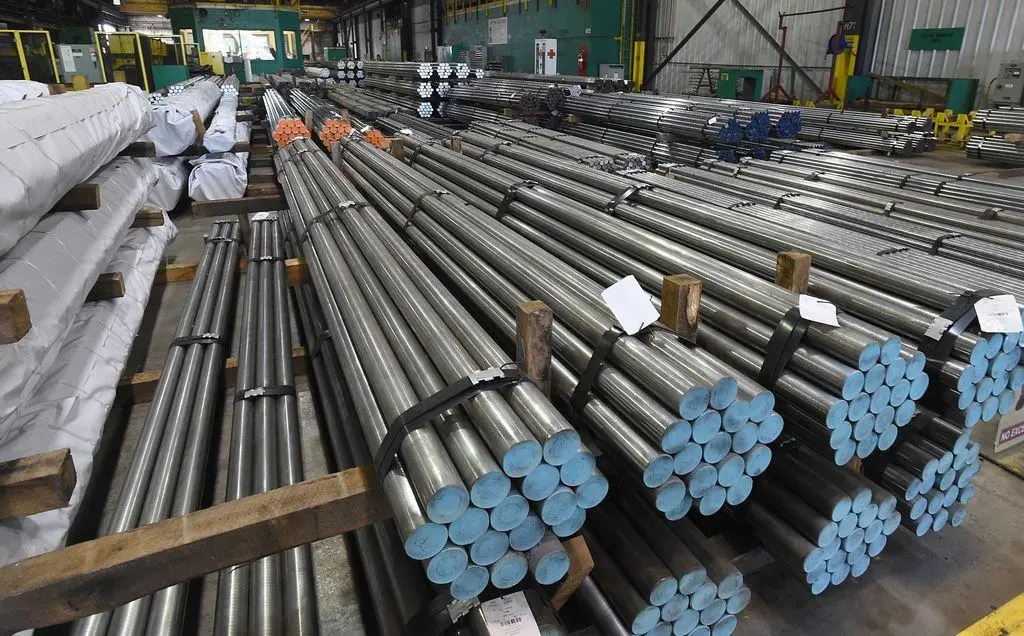
In 2024, U.S. crude steel production reached 79.5 million tons, but domestic consumption still outpaced supply at 90 million tons. Imports accounted for 17.4% of flat-rolled and 18.6% of long product consumption.
Navigating Global Trade Tensions
Domestically, Brazilian producers are pushing for anti-dumping measures to curb Chinese imports and expand local markets. However, implementing these policies is complex and time-consuming.
Industry leaders argue that Brazil must also negotiate with the U.S., emphasizing that more than 80% of its steel exports to America serve U.S.-based industries reliant on imported slabs.
As global trade tensions rise, Brazil faces a precarious balancing act: protecting its domestic market while maintaining critical export relationships. The outcome will shape not only Brazil’s steel industry but also broader trade dynamics in an increasingly protectionist world economy.
More: Brazil news in English, every day from The Rio Times.
This article was produced by The Rio Times’ automated newsroom system. How we use AI · Report an error
LatAm Markets: Live Signals → — real-time movers, turnover leaders and FX across Latin America.
Read More from The Rio Times