Trump EU Trade Investigation Over $1 Billion Tech Fines
Trade · United States & Europe
Key Facts
—The move. President Donald Trump said the US will open a formal investigation into the European Union’s trade practices.
—The trigger. It came a day after the EU fined Google 890 million euros (about US$1 billion) for breaching digital antitrust rules.
—The tool. Trump said the probe would proceed under Section 301 of the Trade Act, starting immediately.
—The demand. He said the fines against US tech giants should be “entirely reversed” and floated a substantial tariff.
—The targets. The EU has penalised Apple, Meta, Amazon and Google in a series of antitrust and digital-market cases.
A long-running clash between Washington and Brussels over Big Tech has escalated. President Donald Trump vowed to investigate the European Union’s trade practices, accusing it of unfairly fining US technology giants.
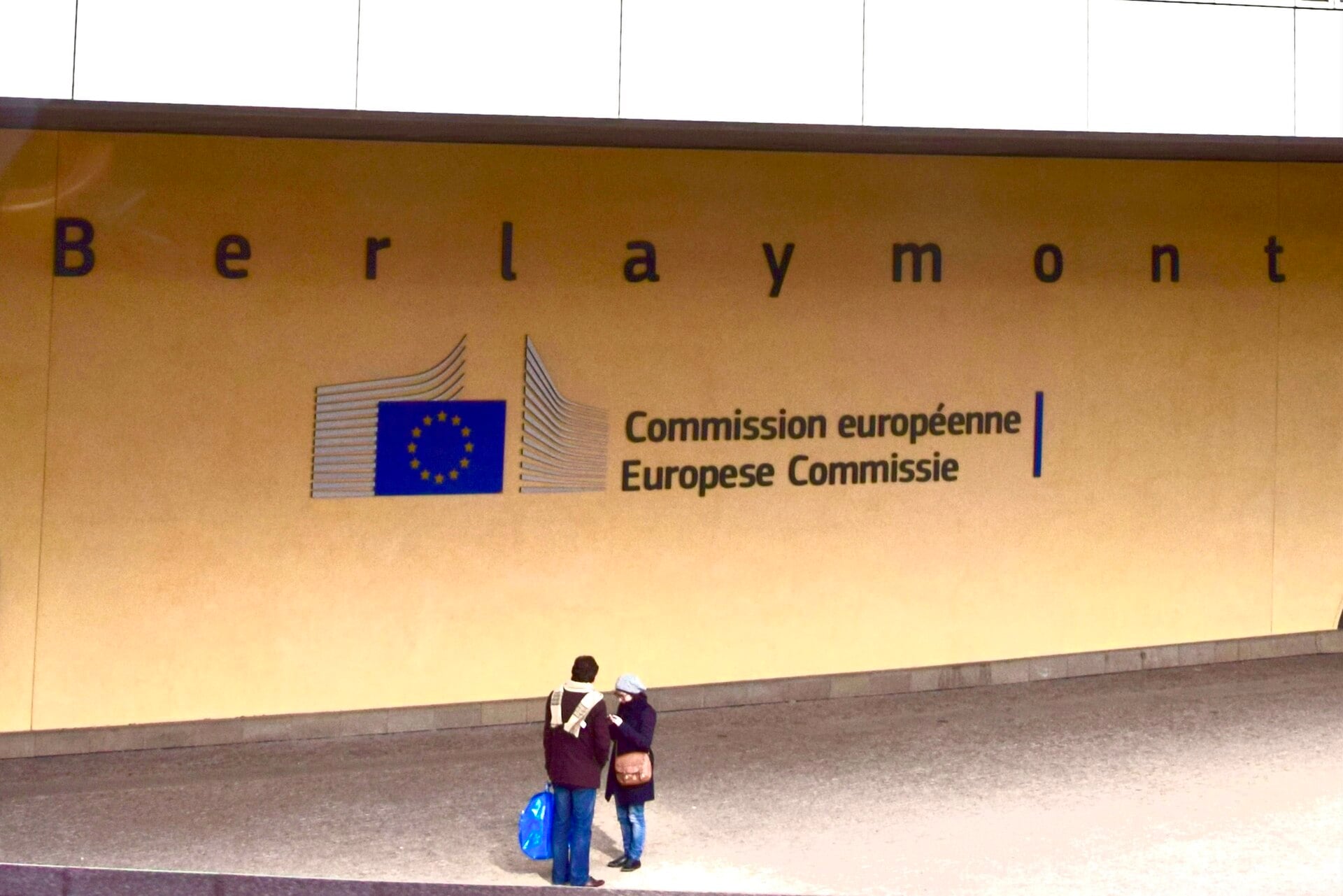
Trump opens a trade front
President Donald Trump announced that the United States will launch a formal investigation into the European Union’s trade practices. He accused the bloc of unfairly levying billions of dollars in fines against Google, Apple and other American tech companies.
In a post on Truth Social, Trump said the probe would begin immediately under Section 301 of the Trade Act. He accused the EU of “robbing” US firms and taxpayers and warned he was considering a substantial tariff in response.
This is not the first time Washington has used trade law to challenge what it sees as unfair treatment abroad. Section 301 gives the US Trade Representative broad authority to investigate foreign practices that may burden American commerce, and to recommend remedies that can include higher duties on imported goods.
The fine that sparked it
The announcement came a day after the EU fined Google 890 million euros, about US$1 billion, over digital antitrust violations. Regulators said the company had steered users of Google Play and its search engine toward its own services, to the detriment of competitors.
It was the latest in a string of European penalties against US technology firms. The EU has repeatedly targeted the way dominant platforms structure their services and treat rivals.
For readers outside Europe, it helps to understand that the EU’s competition authority acts as a supranational regulator. It can levy fines worth a percentage of a company’s global annual turnover, which is why the sums involved often run into the hundreds of millions or even billions of euros.
Two views of the same fines
Trump frames the penalties as discriminatory attacks on American champions and a drain on US firms. He argues the fines should be reversed and that the EU is using regulation as a trade weapon.
Brussels casts the fines as neutral enforcement of competition and digital-market rules that apply to any company operating in Europe. EU officials say the cases are about consumer choice and fair markets, not nationality.
This fundamental disagreement goes to the heart of how the two sides view the digital economy. Washington tends to see the success of its tech giants as a product of American innovation that should be defended.
Brussels sees the same companies as gatekeepers whose market power must be checked so that smaller rivals and consumers are not harmed.
Section 301 and tariffs
Section 301 is the same legal tool the US has used to justify tariffs in past trade disputes. Opening an investigation gives Washington a formal basis to consider retaliatory measures.
A tariff threat raises the stakes for transatlantic trade, one of the world’s largest commercial relationships. Businesses on both sides would feel the impact of any escalation.
In practice, a Section 301 probe typically begins with a request for public comments and consultations with the foreign government. Only after those steps does the US Trade Representative decide whether the practice is actionable and what countermeasures to pursue.
Why it matters
The dispute pits US trade policy directly against European regulation of Big Tech. How it resolves could shape whether other governments feel free to fine American platforms.
The companies involved — Google, Apple, Meta and Amazon — are among the most valuable in the world. Their treatment abroad has become a recurring flashpoint in US-EU relations.
Beyond the immediate fines, the case tests whether a single market like the EU can set rules that effectively govern how global digital platforms operate everywhere. If Washington succeeds in framing the fines as a trade violation, it could embolden other nations to push back against similar regulatory actions.
What comes next
The Section 301 process can take months and may or may not lead to tariffs. Much will depend on whether Washington and Brussels seek a negotiated settlement or dig in.
For now, the EU has shown no sign of reversing its fines, and Trump has shown no sign of backing down. The standoff adds fresh friction to an already tense trade relationship.
Observers will be watching whether the investigation focuses narrowly on the Google fine or broadens to cover the EU’s entire digital regulatory framework. Another open question is whether European officials will offer any concessions on procedural grounds, or whether they will treat the probe as a purely political move that does not change their legal obligations under EU treaties.
Frequently Asked Questions
What did Trump announce?
He said the US will open a Section 301 investigation into the EU’s trade practices, claiming the bloc unfairly fined US tech giants, and floated a substantial tariff.
What triggered it?
The move followed an EU fine of 890 million euros (about US$1 billion) on Google for breaching digital antitrust rules.
How does the EU justify the fines?
Brussels says it is enforcing competition and digital-market rules that apply to all companies, aimed at protecting consumer choice and fair markets.
Sources
Connected Coverage
Sources: President Donald Trump; Section 301 of the Trade Act; European Commission.
This article was produced by The Rio Times’ automated newsroom system. How we use AI · Report an error
Read More from The Rio Times