Brazil Among Major Russian Buyers Facing U.S. Sanctions Warning
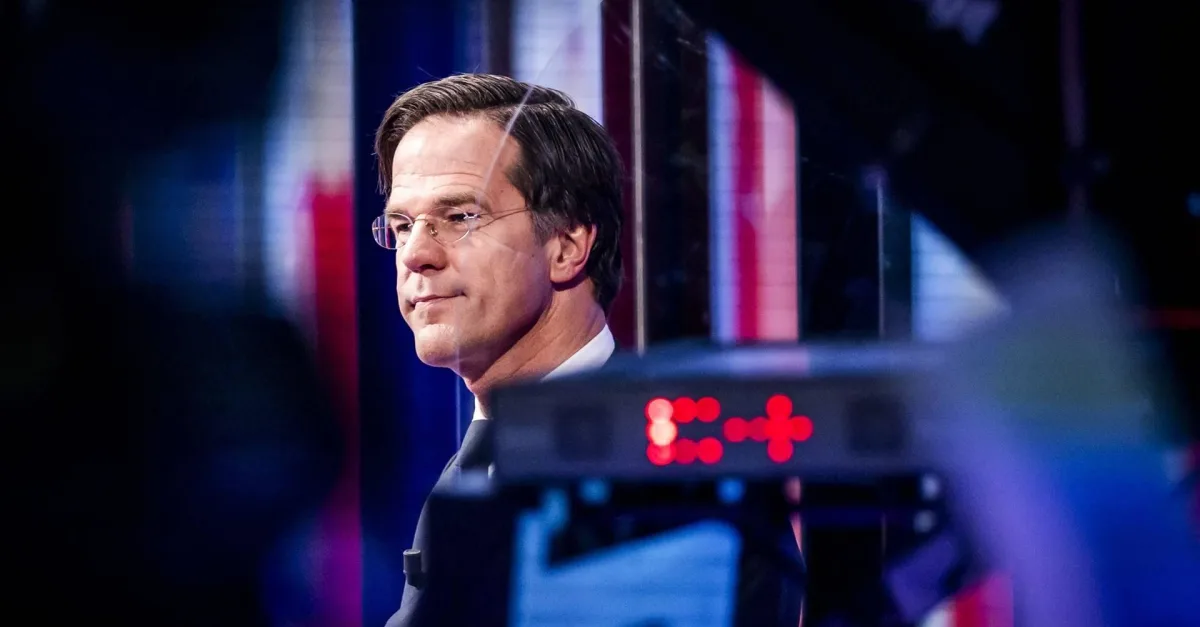
NATO’s Secretary General, Mark Rutte, stated in a press appearance that countries like Brazil, India, and China could face secondary sanctions if they continue purchasing oil and gas from Russia, but he did not issue a formal or direct warning to those governments.
Rutte explained that these tough penalties—possibly 100% tariffs—would hit fast unless these countries push Russia to seriously negotiate peace over Ukraine.
This warning came as U.S. President Donald Trump confirmed a new round of weapons shipments to Ukraine and set a strict 50-day deadline for Russia to reach a peace deal. If Russia refuses, secondary sanctions will target its key trading partners.
The numbers behind this are large. So far in 2025, India has imported up to 2 million barrels per day of Russian oil, accounting for about 40% of its total crude.
China has bought nearly half of Russia’s oil exports this year. Brazil, while importing less, has increased purchases of Russian fuel and fertilizer and is reselling refined products to other countries.
These deals have saved the buyers money, as Russian oil is cheaper than other options. However, NATO and the U.S. say keeping this trade alive helps Russia keep funding its war in Ukraine.
NATO’s goal is to close the loophole: right now, Western sanctions squeeze Russia, but its oil still finds buyers in Asia and Latin America.
Brazil Among Major Russian Buyers Facing U.S. Sanctions Warning
Already, U.S.-Russia trade has dropped sharply, from $53 billion in 2021 to about $5.5 billion by late 2024, mostly because of bans on Russian oil.
But Russia’s sales to India, China, and Brazil have mostly offset these losses.
If NATO’s secondary sanctions take effect, countries like India, China, and Brazil could find their own exports blocked from Western markets and lose access to global banking
https://www.riotimesonline.com/trumps-100-tariff-threat-can-the-u-s-squeeze-russia-with-almost-no-trade-left/ systems.
These measures could send shockwaves through the world economy, raising prices and disrupting supply chains.
Now, the world’s biggest democracies outside NATO must make a costly choice: keep buying cheaper Russian oil and risk their biggest export markets, or help pressure Russia to end the war.
More: Brazil news in English, every day from The Rio Times.
This article was produced by The Rio Times’ automated newsroom system. How we use AI · Report an error
Read More from The Rio Times