IBOV 177,418.78 ▲ 1.00% IPSA 11,315.26 ▼ 1.14% IPC MEX 65,430.32 ▼ 0.08% MERVAL 3,033,848 — 0.00% COLCAP 2,425.08 ▼ 1.33% BVL PERÚ 59,928.30 ▼ 0.80% USD/BRL5.19▲ 0.03% USD/MXN16.99— 0.00% USD/CLP933.85▼ 0.04% USD/COP3,223▲ 0.68% USD/PEN3.36▼ 0.15% USD/ARS1,509▼ 0.28% USD/UYU40.29▲ 0.05% USD/PYG5,892▼ 0.13% USD/BOB11.84▲ 0.51% USD/DOP58.61▲ 0.46% USD/CRC446.47▼ 0.04% USD/GTQ7.62▼ 0.02% USD/HNL26.84— 0.00% USD/NIO36.62▲ 0.14% USD/VES796.33▲ 0.29% USD/PAB1.00— 0.00% USD/BZD2.00— 0.00% USD/JMD 157.28 — 0.00% USD/TTD6.69▼ 0.37% EUR/BRL6.01▲ 0.03% BRENT 88.88 ▼ 0.03% WTI 83.11 ▼ 0.11% IRON ORE 161.91 — — COPPER 6.61 ▲ 0.03% GOLD 4,461 ▲ 1.78% SILVER 65.59 ▲ 1.26% SOY 1,184 ▲ 3.20% CORN 480.50 ▲ 10.02% WHEAT 655.00 ▲ 3.93% COFFEE 317.25 ▼ 5.51% SUGAR 16.43 ▼ 1.79% ORANGE JUICE 138.55 ▼ 0.47% COTTON 85.03 ▲ 2.33% COCOA 5,719 ▲ 3.18% BEEF 223.60 ▼ 3.93% CATTLE 339.10 ▼ 3.16% LITHIUM 75.20 ▲ 1.47% PETR4 41.64 ▼ 0.05% VALE3 72.97 ▲ 0.83% ITUB4 38.60 ▼ 1.03% BBDC4 16.85 ▲ 0.36% ABEV3 14.89 ▼ 0.80% BBAS3 19.37 ▲ 0.47% B3SA3 14.26 ▼ 0.21% WEGE3 47.59 ▲ 0.49% PRIO3 59.14 ▼ 0.19% SUZB3 41.33 ▲ 2.35% RENT3 34.68 ▼ 0.09% AZZA3 15.89 ▼ 2.63% CSAN3 3.22 ▼ 1.83% RAIZ4 0.25 — 0.00% PCAR3 2.75 ▼ 0.36% GMAT3 3.65 ▼ 1.08% PSSA3 48.13 ▼ 0.54% CVCB3 1.33 ▼ 2.92% POSI3 3.36 ▲ 2.44% SLCE3 13.34 ▲ 0.30% NATU3 8.14 ▼ 0.73% IBOV 177,418.78 ▲ 1.00% IPSA 11,315.26 ▼ 1.14% IPC MEX 65,430.32 ▼ 0.08% MERVAL 3,033,848 — 0.00% COLCAP 2,425.08 ▼ 1.33% BVL PERÚ 59,928.30 ▼ 0.80% USD/BRL 5.16 ▲ 0.01% USD/MXN 17.06 ▼ 0.24% USD/CLP 913.98 ▲ 0.04% USD/COP 3,140 ▲ 0.03% USD/PEN 3.36 ▼ 0.66% USD/ARS 1,493 ▲ 0.10% USD/UYU 40.27 ▲ 1.24% USD/PYG 5,939 ▲ 1.68% USD/BOB 11.64 ▼ 0.76% USD/DOP 58.34 ▲ 1.25% USD/CRC 445.92 ▲ 0.89% USD/GTQ 7.62 ▲ 2.21% USD/HNL 26.79 ▲ 1.57% USD/NIO 36.62 ▲ 0.69% USD/VES 762.44 ▼ 0.13% USD/PAB 1.00 — 0.00% USD/BZD 2.00 — 0.00% USD/JMD 157.28 — 0.00% USD/TTD 6.70 ▲ 0.61% EUR/BRL 5.95 ▲ 1.01% BRENT 88.88 ▼ 0.03% WTI 83.11 ▼ 0.11% IRON ORE 161.91 — — COPPER 6.61 ▲ 0.03% GOLD 4,461 ▲ 1.78% SILVER 65.59 ▲ 1.26% SOY 1,184 ▲ 3.20% CORN 480.50 ▲ 10.02% WHEAT 655.00 ▲ 3.93% COFFEE 317.25 ▼ 5.51% SUGAR 16.43 ▼ 1.79% ORANGE JUICE 138.55 ▼ 0.47% COTTON 85.03 ▲ 2.33% COCOA 5,719 ▲ 3.18% BEEF 223.60 ▼ 3.93% CATTLE 339.10 ▼ 3.16% LITHIUM 75.20 ▲ 1.47% PETR4 41.64 ▼ 0.05% VALE3 72.97 ▲ 0.83% ITUB4 38.60 ▼ 1.03% BBDC4 16.85 ▲ 0.36% ABEV3 14.89 ▼ 0.80% BBAS3 19.37 ▲ 0.47% B3SA3 14.26 ▼ 0.21% WEGE3 47.59 ▲ 0.49% PRIO3 59.14 ▼ 0.19% SUZB3 41.33 ▲ 2.35% RENT3 34.68 ▼ 0.09% AZZA3 15.89 ▼ 2.63% CSAN3 3.22 ▼ 1.83% RAIZ4 0.25 — 0.00% PCAR3 2.75 ▼ 0.36% GMAT3 3.65 ▼ 1.08% PSSA3 48.13 ▼ 0.54% CVCB3 1.33 ▼ 2.92% POSI3 3.36 ▲ 2.44% SLCE3 13.34 ▲ 0.30% NATU3 8.14 ▼ 0.73%
since 2009
Tuesday, September 1, 2026

China North America

Tesla’s Full Self-Driving Tech Faces Competition from Chinese and Other Rivals

By · September 26, 2024 · 2 min read

Daily Brief

The morning intel from across Latin America. Free.

By subscribing you agree to our privacy policy. We never share your email.

China’s electric vehicle (EV) manufacturers have intensified their efforts in autonomous driving technology, aiming to challenge Tesla’s global leadership.

These companies are rapidly developing advanced driver assistance systems (ADAS) to attract buyers in the world’s largest automotive market.

Counterpoint Research predicts that by 2026, approximately one million EVs in China will meet the Level 3 (L3) autonomous driving standard.

L3 vehicles can make informed decisions, such as overtaking slow-moving cars, but still require driver intervention in certain situations.

Leading Chinese EV makers like BYD and Li Auto have already launched new models equipped with L3-capable ADAS software.
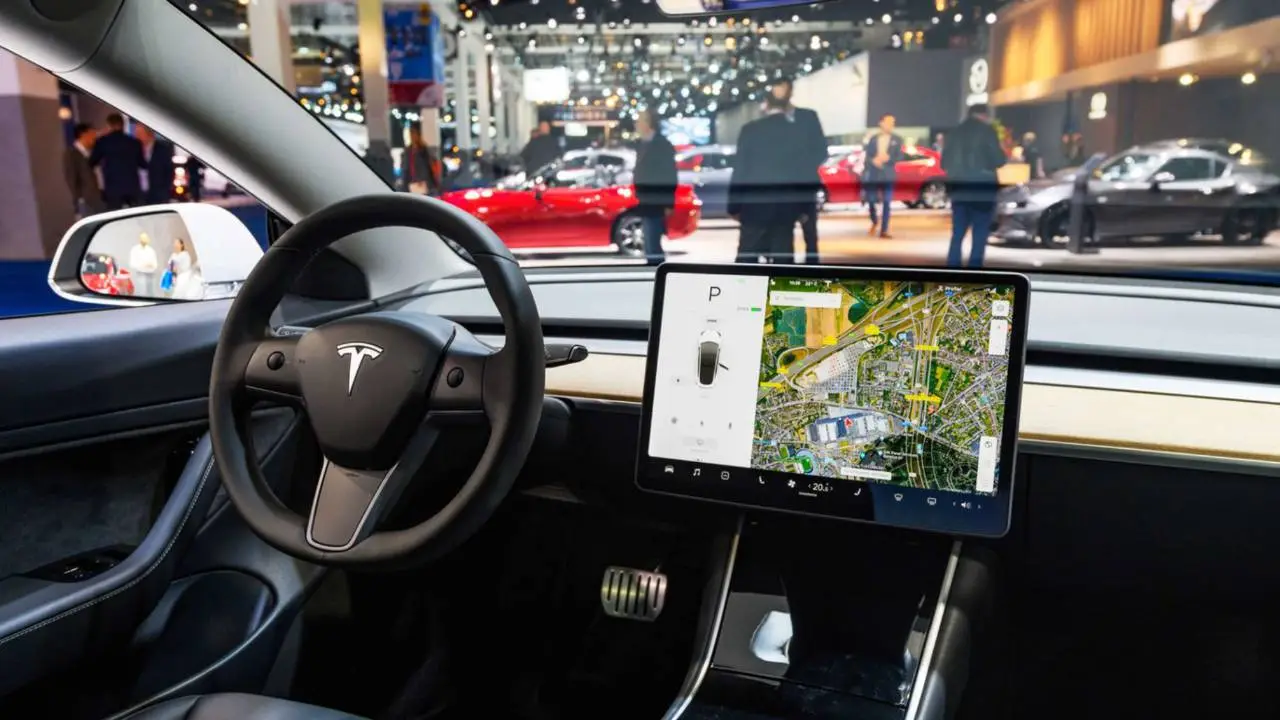
Tesla's Full Self-Driving Tech Faces Competition from Chinese and Other Rivals. (Photo Internet reproduction)
Tesla’s Full Self-Driving Tech Faces Competition from Chinese and Other Rivals. (Photo Internet reproduction)
One-stop reference
Company Intelligence
Every listed company in Latin America — financials, ownership and structure for 1,450+ companies across 26 exchanges, in one place.
Browse the directory →
RT
Ask Rio Times
17 years of Latin America reporting, on demand.
Open the full Ask Rio Times →

However, regulatory hurdles remain, as Beijing has not yet approved the use of L3 and higher autonomous driving systems.

The competition in autonomous driving technology has become a new battlefront for electric car builders in China.

This technology helps boost sales and increase brand awareness, making it a crucial factor in the fast-growing market.

Tesla plans to introduce its Full Self-Driving (FSD) software in China next year, which will test the capabilities of Chinese EV makers.

The American company charges $8,000 for FSD installation in the United States, plus a $99 monthly subscription.

Chinese companies are offering their ADAS software for free to attract more buyers. Xpeng, a Tesla rival in China, has expanded its self-driving system nationwide, becoming the first to offer semi-autonomous driving across the country.

Jiyue, a premium EV maker backed by Baidu, has introduced a new model with a high level of autonomy. The Jiyue 07 sedan, supported by Baidu’s Apollo 2.0 self-driving software, boasts a range of 660km on a single charge.

Tesla’s Full Self-Driving Tech Faces Competition from Chinese and Other Rivals

In the United States, several automakers are also making strides in autonomous driving technology. GM’s Super Cruise system, available on 15 nameplates, aims to extend Level 2 support to 95 percent of driving scenarios.

Ford’s BlueCruise is currently available on seven Ford and Lincoln models for use on 130,000 miles of highway.

Stellantis plans to introduce its STLA AutoDrive system, which will enable hands- and eyes-free driving under certain circumstances.

Mercedes-Benz has launched a test fleet of EQS- and S-Class sedans with Level 3 capability in California and Nevada.

The company expects to offer this technology to customers via subscription in these states during 2024.

As the technology advances, autonomous vehicles may adopt nontraditional seating arrangements, requiring new safety features.

Rimac’s Verne robotaxi, for example, lacks a steering wheel and pedals, featuring fully reclining seats with specialized safety systems.

The future of autonomous driving remains uncertain, but both Chinese and American companies continue to push the boundaries of technology.

As the market develops, consumers can expect increasingly sophisticated self-driving capabilities in their vehicles.


This article was produced by The Rio Times’ automated newsroom system. How we use AI · Report an error

Read More from The Rio Times

The Rio Times · Power Map
See who really holds power in Latin America
Click to open the Power Map

Rotate for Best Experience

This report is optimized for landscape viewing. Rotate your phone for the full experience.