Suzano Buys 10% Stake in New Aracruz Port in Brazil
Brazil · CORPORATE
Key Facts
- —What happened Suzano bought a 10 percent stake in Imetame Logística Porto, a new port being built in Aracruz, Brazil.
- —How big The full Imetame port project carries a total planned investment of R$2.7 billion (about US$530 million).
- —What it means Suzano gains a second export gateway near its Aracruz pulp mill, alongside its existing Portocel terminal.
- —The catch Suzano paid for its stake with land instead of cash, and no price was disclosed.
- —Who it affects Grupo Imetame still holds the remaining 90 percent, and Hapag-Lloyd co-owns the new container terminal.
- —What comes next Brazilian antitrust regulators must still approve the deal before the first cargo terminal opens in 2027.
Runoff · Sunday, 25 October
Brazil Runoff 2026: Lula vs Flávio
Date, polls, debates, odds and how the runoff works, updated every day.
Brazil runoff polls · Polymarket and Kalshi odds · When results come
Prediction markets · who wins the runoff
Implied chance of winning Brazil’s presidency on 25 October, from traders’ prices.
Polymarket
Flávio Bolsonaro 76.8% · Lula 23.5% (US$188 million traded)
Kalshi (regulated in the US by the CFTC)
Flávio Bolsonaro 79% · Lula 21%
As of 19 October, 9:20 am ET (14:20 Lisbon), updated every 20 minutes. Prices are bets, not polls, and can move fast.
Why we show this: prediction markets turn real-money bets into a live probability that moves within minutes of the news, which is why investors, campaigns and newsrooms in the United States now follow them closely. We show them next to polls and official results, never instead of them.
Brazil’s pulp giant is paying with land instead of cash for a slice of a new deep-water port near Aracruz.
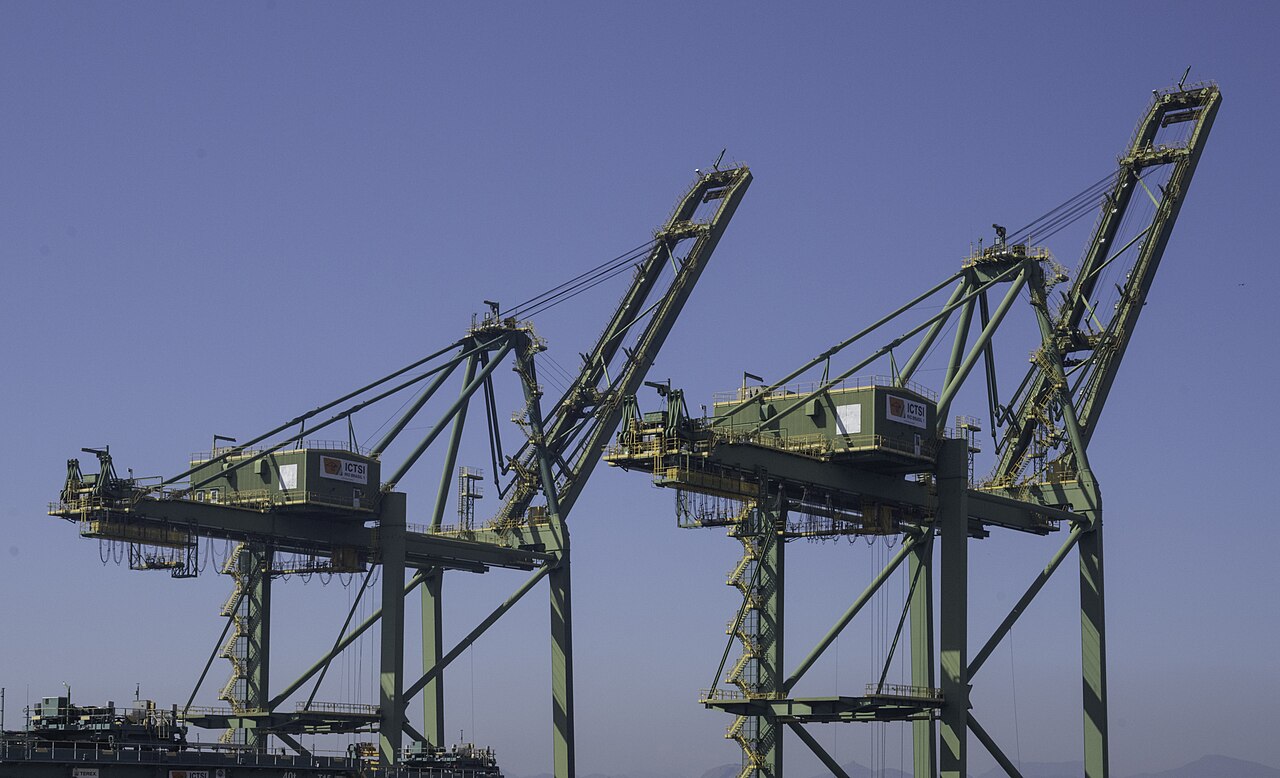
Suzano has agreed to buy a 10 percent stake in a new Brazilian port. The port is under construction in Aracruz, next to Suzano’s own pulp mill.
The world’s largest pulp producer will pay for the stake with land it already owns. Suzano disclosed the deal in a securities filing on Monday, August 31.
A Land Deal, Not a Cash Deal
Suzano did not pay cash for its new stake in the port. It handed over land parcels it already owned near the site instead.
The company disclosed no purchase price in its filing. The deal needs no new cash spending from Suzano in 2026.
The port initially lacked enough backland space for storage and cargo yards. Suzano has owned land next to the site since the 1960s.
The full Imetame project is expected to cost R$2.7 billion in total (about US$530 million). Suzano’s own share covers only land, not that full budget.
What the New Port Will Handle
The port’s five terminals will handle containers, general cargo, dry bulk and liquid bulk. A separate dock will manage ship-to-ship transfers between vessels.
The container terminal alone should handle 1.2 million shipping containers a year. Its dock will run 750 meters long, with water 17 meters deep.
That depth can later expand to 25 meters as demand grows. The dock is built to take container ships up to 366 meters long.
Bulk cargo berths will also take Capesize ships, among the largest bulk carriers afloat. That is deeper water than Suzano’s existing Portocel terminal offers nearby.
Hapag-Lloyd co-owns the new container terminal through its Hanseatic Global Terminals unit. Hapag-Lloyd is one of the world’s largest container shipping lines.
The full port site covers more than one million square meters. That gives room for storage yards, roads and future expansion.
Live Company IntelligenceSuzano Papel e Celulose SA ADR — the full investor dossier
Wall Street view
Valuation & profitability
Price & risk
$7.5652-wk high
$11.53
Revenue trend · 6y
Ownership
Dividend
Why Suzano Wants a Second Port
Suzano is the world’s largest producer of market pulp, made from eucalyptus wood. The company already ships most of its output through Portocel, a port it partly owns.
Suzano owns 51 percent of Portocel, a separate export terminal in Aracruz. Portocel alone handles about 60 percent of Brazil’s total pulp exports.
Portocel opened in the 1970s to ship pulp for Suzano and Cenibra. Cenibra is another major Brazilian pulp producer and a longtime Portocel partner.
That port ships roughly 7.5 million tonnes of cargo every year. The new Imetame stake gives Suzano a second option nearby.
The new stake does not replace Portocel or redirect any pulp shipments. Suzano called the move part of its long-term logistics strategy.
Jobs and Local Impact
Aracruz is a mid-sized city of about 100,000 people. It already hosts one of Suzano’s largest pulp mills in Brazil.
The project should create more than 1,000 jobs during construction. Local officials in Espírito Santo have welcomed the investment.
The port expects to open about 300 direct jobs once it starts running. Most of those roles will open through 2027 in operations and administration.
Espírito Santo’s economy already depends heavily on Suzano’s operations there. State officials see the new port as a way to diversify cargo beyond pulp.
Who Else Is Involved
Grupo Imetame is leading the port project and keeps the other 90 percent. The group has operated in Aracruz for 46 years.
It employs more than 7,000 people across metals, stone and energy. Imetame also works in oil and gas.
Suzano hired the law firm Lefosse to advise on the deal. Imetame worked with the law firm Veirano on its own side.
Timeline and What’s Next
The deal still needs approval from Brazil’s antitrust regulator, CADE. Other standard closing conditions must also be met first.
The first ship should call at the general cargo terminal in March 2027. The full container terminal should follow about a year later, in mid-2028.
Suzano trades as SUZB3 on Brazil’s B3 exchange. It also trades as SUZ on the New York Stock Exchange.
More: Brazil news in English, every day from The Rio Times.
Frequently Asked Questions
What did Suzano just buy in Brazil?
Suzano bought a 10 percent stake in a new port project in Aracruz, Espírito Santo. It paid with land instead of cash.
Why didn’t Suzano pay cash for the stake?
Suzano used land it already owned near the port site as payment. The move needs no new cash spending from Suzano in 2026.
What will the new port handle?
The port will have five terminals, including one for containers and one for general cargo. Other terminals will handle bulk cargo and ship-to-ship transfers.
Does this replace Suzano’s main export port?
Suzano still exports most of its pulp through Portocel, a port it partly owns. The Imetame stake adds a second, smaller logistics option nearby.
When will the new port open?
The general cargo terminal should open in early 2027. The container terminal should follow in mid-2028, after regulators approve the deal.
Sources: Pulp & Paper News; Suno Notícias; Portal Logweb; A Gazeta (Abdo Filho column); Folha Vitória; The Latin American Lawyer; Money Times; Finance News; economicnewsbrasil.com.br; InfoMoney; Casa Civil / Portos e Navios (Imetame Logística Porto investment figures).
This article was produced by The Rio Times’ automated newsroom system. How we use AI · Report an error · Editorial responsibility: Matthias Camenzind, Editor-in-Chief