Surging Government Expenses Challenge Lula’s Spending Policies
Brazil’s President Luiz Inácio Lula da Silva finds his spending strategy under scrutiny as public expenses skyrocket, testing the sustainability of his economic policies.
The combined cost of Social Security, healthcare, and the Continuous Cash Benefit (BPC) reached R$1.23 trillion ($217.7 billion), over half of Brazil’s primary spending last year.
This escalation stems from tying the minimum wage to GDP growth, amplifying payouts in Social Security and BPC.
Moreover, healthcare spending has surged as it remains pegged to government revenue.
Consequently, these fiscal pressures are mounting, with many urging for a revision of spending practices.
Despite these calls, Lula’s administration maintains its fiscal course, fueling debate about the Central Bank and currency stability.
From 2000 to 2016, public expenditure grew 6% annually, stabilizing only after a spending cap during the Temer administration.
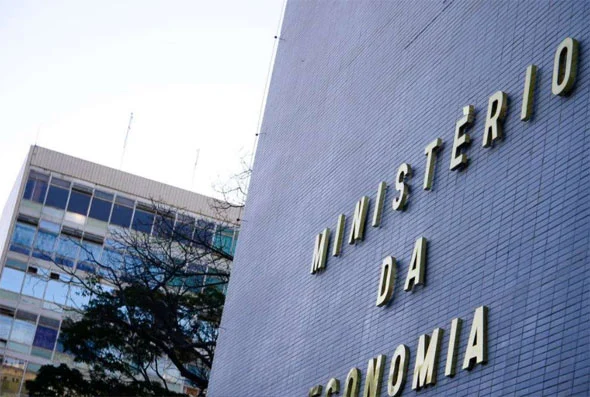
Under Lula, this cap has been bypassed, and government spending has resumed its earlier upward trajectory.
Social Security costs soared to R$930 billion ($164.6 billion) in May, a 12% rise from the previous year.
Analysts note current policies nearly negate 2019 reform benefits, with an aging population and inefficient benefit distribution worsening the situation.
Additionally, the surge in BPC payouts to over R$100 billion ($17.7 billion) highlights a 40% hike in requests, showing growing dependency on state support.
Surging Government Expenses Challenge Lula’s Spending Policies
Despite Lula viewing these costs as essential, steps are being taken to scrutinize and possibly reduce expenses per the Federal Court of Accounts’ directives.
The INSS is set to undertake up to 800,000 in-person evaluations for various benefits by year’s end.
Mandatory healthcare spending reached R$142 billion ($25.1 billion), hitting historic highs. Other sectors like agriculture and education also saw significant spending increases.
Experts say these choices reflect deliberate executive policies. Recent decisions have accelerated spending from already high levels.
This fiscal scenario challenges Brazil’s economic resilience. It serves as a case study for global policymakers on sustainable governance and economic prudence.
More: Brazil news in English, every day from The Rio Times.
This article was produced by The Rio Times’ automated newsroom system. How we use AI · Report an error
Read More from The Rio Times