Brazil, the largest economy in Latin America, has announced a significant budget cut of R$25.9 billion ($4.6 billion) for 2025.
This decision is crucial for meeting the targets set by President Luiz Inácio Lula da Silva’s new fiscal framework.
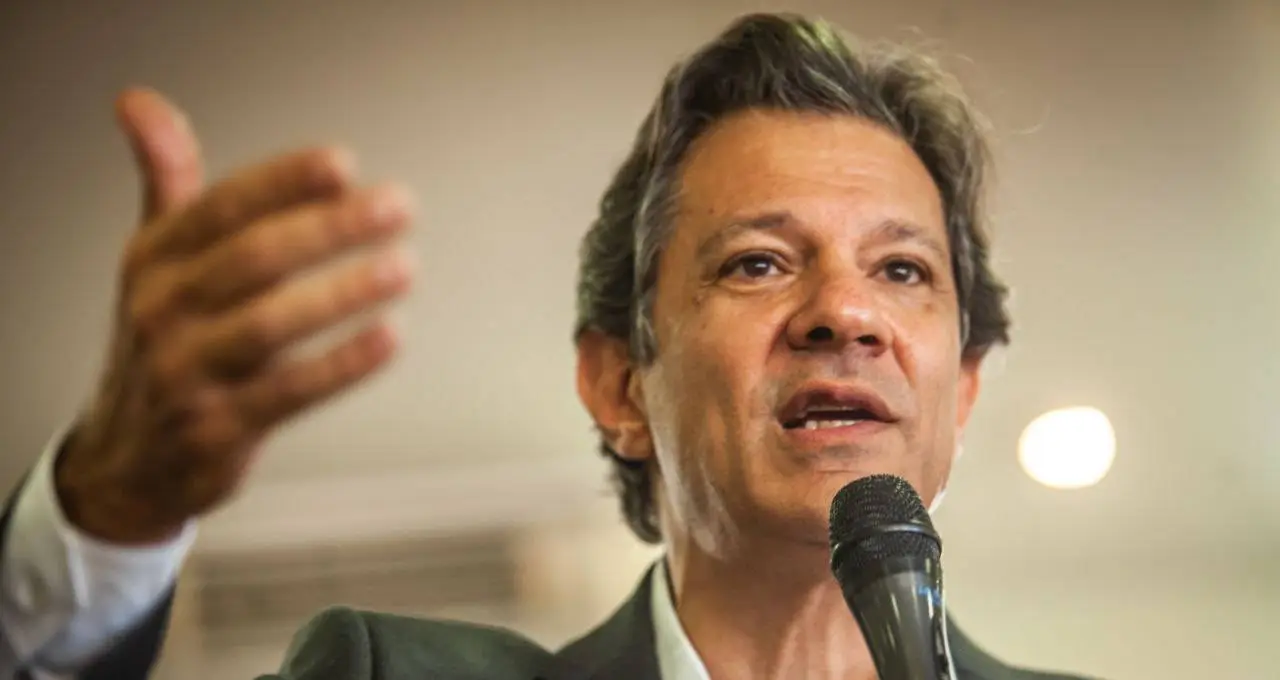
Finance Minister Fernando Haddad made the announcement, stating that President Lula approved the reduction to align with the fiscal mechanism passed by Congress in 2023.
He emphasized the government’s commitment to achieving fiscal targets and adhering to the new fiscal law.
“The government is fully committed to meeting the fiscal targets and the new fiscal framework law,” Haddad declared after meeting with Planning and Budget Minister Simone Tebet.
The government reviewed the projected public policy expenditures for 2025 to achieve a zero deficit.
The plan includes expected tax revenue growth. Agencia Brasil noted the announcement followed President Lula’s comments on the recent dollar rise against the real.
This rise was attributed to market speculation, which has now subsided. The new fiscal framework, approved last year, replaced the previous spending cap.
This cap, implemented during Michel Temer’s administration (2016-2018), had frozen the budget for twenty years.
The new framework allows for more state investment under specific conditions.
Brazil Announces Significant Budget Cuts for 2025
Lula’s fiscal rule ties public spending growth to fiscal revenue growth. However, public spending must always grow slightly less than revenues.
Brazil’s President Luiz Inácio Lula da Silva finds his spending strategy under scrutiny as public expenses skyrocket, testing the sustainability of his economic policies.
The combined cost of Social Security, healthcare, and the Continuous Cash Benefit (BPC) reached R$1.23 trillion ($217.7 billion), over half of Brazil’s primary spending last year.
This escalation stems from tying the minimum wage to GDP growth, amplifying payouts in Social Security and BPC.
Moreover, healthcare spending has surged as it remains pegged to government revenue.
Consequently, these fiscal pressures are mounting, with many urging for a revision of spending practices.
From 2000 to 2016, public expenditure grew 6% annually, stabilizing only after a spending cap during the Temer administration.
More: Brazil news in English, every day from The Rio Times.
This article was produced by The Rio Times’ automated newsroom system. How we use AI · Report an error
Read More from The Rio Times