President Lula: Central Bank Should Serve Public, Not Markets
In Brazil, President Luiz Inácio Lula da Silva advocates a shift in the Central Bank’s focus toward national monetary concerns.
Lula’s call comes as the dollar rises to R$5.66, a peak since January 10, 2022, showing a 15.7 percent increase over six months.
Lula targets the independence law of the Central Bank, which sustains Roberto Campos Neto’s position until the year’s end.
Appointed by the previous administration, Campos Neto is seen by Lula as overly politicized, especially with the real’s recent depreciation.
The President argues that such governance allows financial sectors undue control over state mechanisms.
Meanwhile, Lula plans to appoint a new leader by the next term, emphasizing autonomous operation free from external pressures.
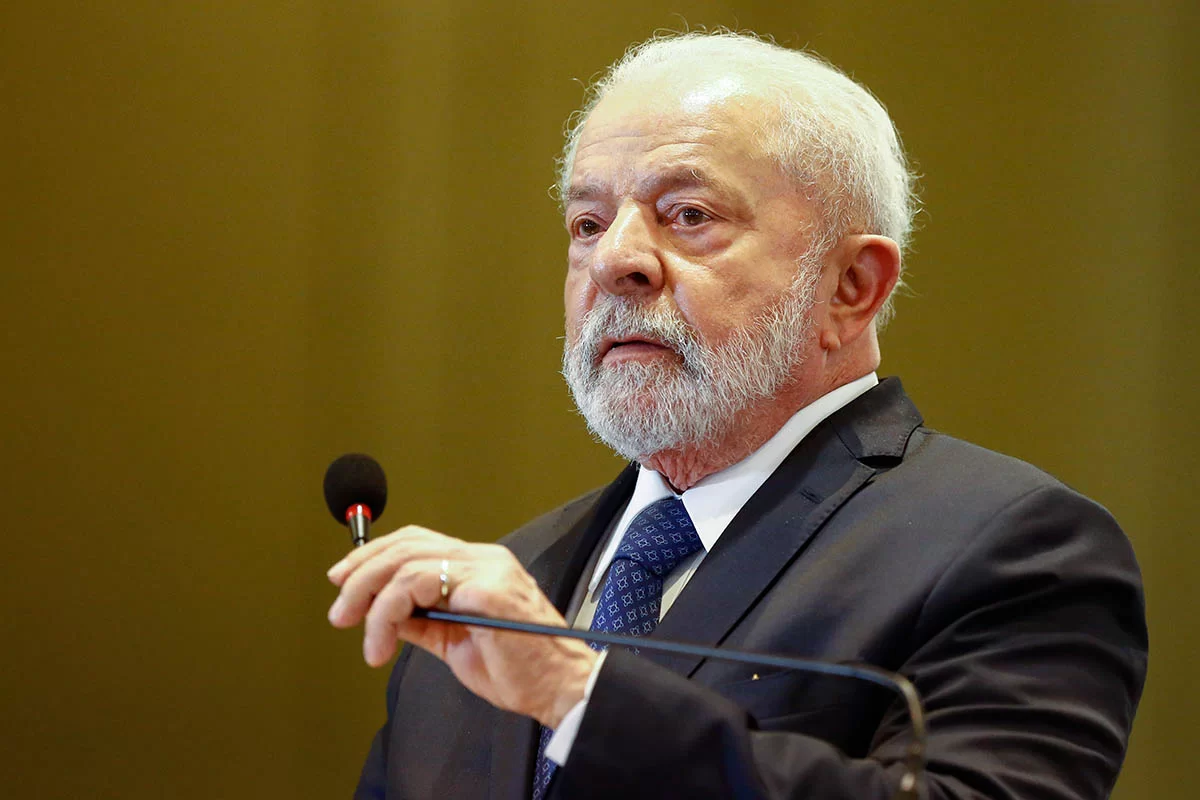
He suggests this change is crucial for defending the national currency from speculative forces. Lula believes these forces are currently at play and impacting the economy.
Gleisi Hoffmann, leader of the Workers’ Party, supports Lula’s perspective. She criticizes the Central Bank for its passive stance during necessary times for market intervention.
This criticism aligns with Lula’s vision of a more proactive and public-focused Central Bank.
This scenario unfolds as Lula focuses on repositioning the Central Bank to align more closely with public service and state-centric rule.
His approach marks a pivotal shift in Brazil’s economic strategy, prioritizing state-driven actions over market-driven mechanisms.
This stance aims to stabilize the economy and restore faith in the institution meant to safeguard it.
As Brazil navigates these changes, the President’s policies could reshape the nation’s economic landscape for years to come.
Background
Lula’s words come amid a crisis of confidence in Brazil’s financial markets, leading to significant depreciation of Brazilian assets.
Without concrete government measures to control spending and with harsh rhetoric from leadership, the domestic market suffered significant losses.
In just one week, the dollar surged over 3%, nearing R$5.70. Market fundamentals were abandoned as focus shifted to future risks and increasingly bleak prospects.
In early 2024, the B3 Stock Exchange in São Paulo also faced major turmoil.
By April, foreign investors, who make up over half of B3’s trading volume, had withdrawn about R$33 billion ($6.47 billion).
In April alone, R$11.1 billion ($2.18 billion) was pulled out, impacting the market’s liquidity, volatility, and overall confidence.
More: Brazil news in English, every day from The Rio Times.
This article was produced by The Rio Times’ automated newsroom system. How we use AI · Report an error
Read More from The Rio Times