One Mexican State Has Attracted US$8.7 Billion. Here Is What Is In It

Mexico · Business
Key Facts
- —What happened Mexico’s Hidalgo state has attracted US$8.7 billion in investment commitments across 130 projects.
- —How big a jump The total includes a US$596 million industrial park and a US$383 million cement plant overhaul.
- —The catch The figure is a running count of commitments, not money already spent or jobs created.
- —Where it is growing Hidalgo sits north of Mexico City, offering capital access without its land prices.
- —What comes next The government will pick a manufacturer for its small electric truck by December.
- —Why it mattered The package tests whether nearshoring can push manufacturing inland from border states.
A cement plant, an industrial park and a small electric truck. The Hidalgo package is a fair summary of what Mexico’s industrial policy is trying to do.
The Sheinbaum Hidalgo investment numbers came out of two press conferences a day apart, and they are worth reading carefully. On 19 August, governor Julio Menchaca told the president’s morning briefing that his state has attracted 147 billion pesos, about US$8.7 billion, across 130 projects. On 20 August the government unveiled a small electric delivery vehicle that Mexico intends to build itself and has not yet chosen anyone to manufacture.
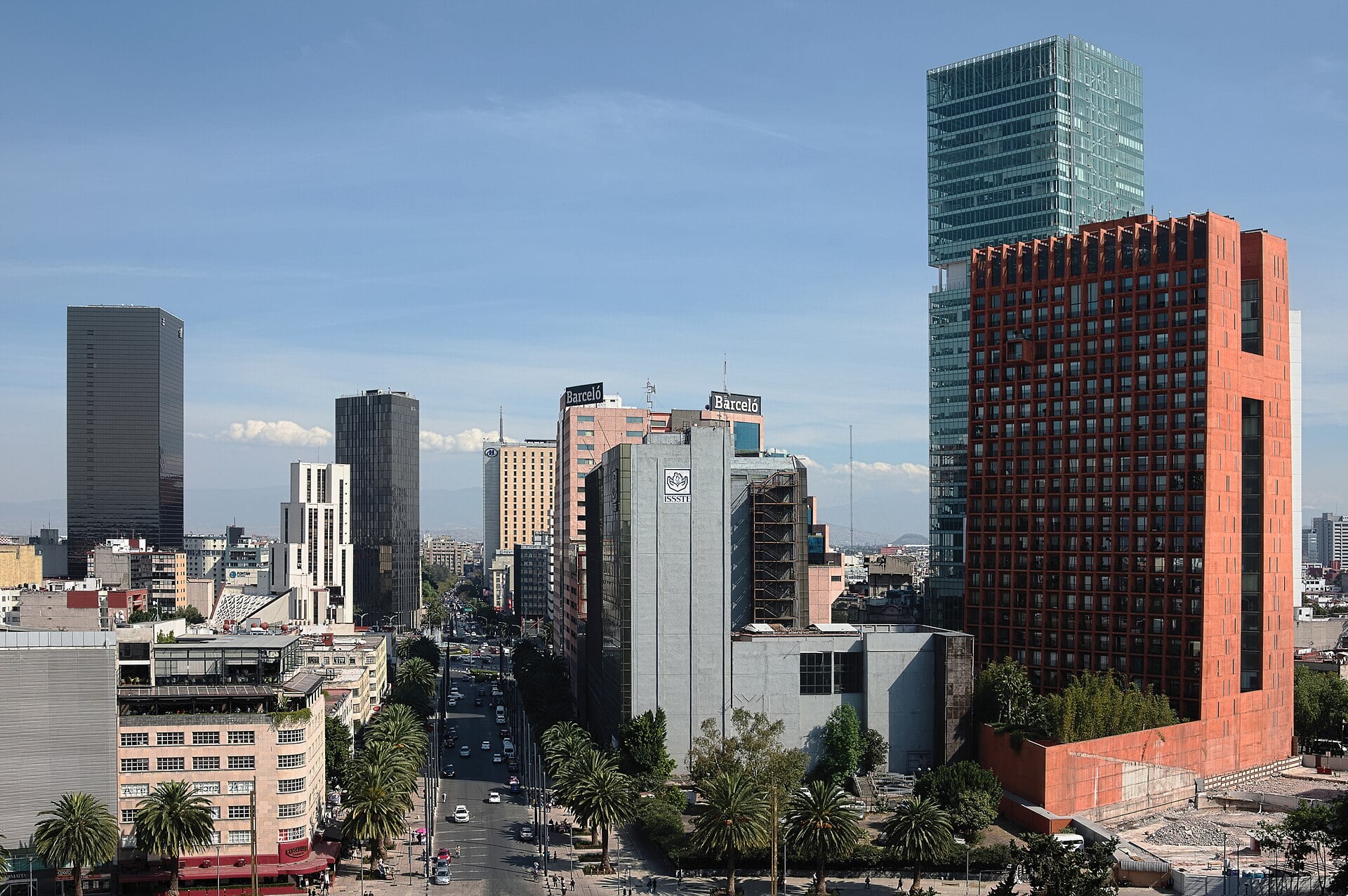
What the 147 billion pesos actually covers
The figure is an accumulated total for the Polo de Desarrollo Económico para el Bienestar at Zapotlán, one of the industrial development zones the federal government has been designating around the country. It counts 130 projects and carries an expectation of 191,000 jobs.
Two commitments account for a visible share. DEWA is investing 10.106 billion pesos (about US$596 million) in a long-term development intended to house advanced manufacturing, logistics, pharmaceutical and medical device companies, combining industrial infrastructure with clean energy, services and equipment.
Cruz Azul is putting 6.5 billion pesos (about US$383 million) into renovating and re-equipping its cement plant at Tula, including a new production line. The same announcement includes 1 billion pesos (about US$59 million) to refurbish the Cruz Azul hospital, adding smart operating theatres, a specialty consultation tower, intensive care rooms and blood banks.
A note on how to read announcements like this. An accumulated investment total is a running count of commitments, not money already spent. Some of these projects are complete, some are under construction and some exist as a signed intention. The 191,000 jobs figure is a projection over the life of all of them.
Why Hidalgo
Hidalgo is not an obvious industrial destination. It has no border with the United States, no major port and no large consumer market of its own. What it has is location: it sits immediately north of Mexico City, close enough to reach the capital’s labour force and logistics network without paying the capital’s land prices.
Tula is already an industrial town, built around cement and the Pemex refinery. Adding advanced manufacturing to that base is the kind of incremental industrial policy that tends to work better than building from nothing.
The federal government’s broader argument is about nearshoring — the relocation of manufacturing from Asia to North America. That argument has been made for four years and the results have been uneven, concentrated heavily in the border states. Hidalgo is a test of whether it can be pushed inland.
Olinia Carga, and what has not been decided
Olinia Carga is the cargo version of Mexico’s homegrown electric vehicle project. It is presented as an open platform for work and goods transport, aimed at small businesses. It carries up to 650 kilograms, has a range of more than 120 kilometres and charges from an ordinary domestic socket.
That specification is modest by design. This is not a competitor to a Chinese electric van; it is a replacement for the small petrol trucks that move goods around Mexican cities, and the ordinary plug matters more than the range does.
Production has not been awarded. The government will run a public tender open to Mexican and foreign companies on equal terms, selecting on industrial and commercial capacity rather than on how much money a bidder brings, with the stated goal of forming a company with majority Mexican capital. The calendar announced is terms published at the end of September, registration in October, formal offers in November and the round closing in December. Puebla hosts the project’s engineering centre and has been named as a strategic location in the first phase, but no mass production plant has been assigned.
What Sheinbaum Hidalgo investment means for people living in Mexico
If you are in central Mexico, the visible effects will be construction traffic around Tula and Zapotlán and, over several years, hiring. Advanced manufacturing and logistics jobs pay above the regional average, and the medical device sector in particular has been a reliable employer in states that have attracted it.
If you run a small business, the number to hold on to is the price: about 150,000 pesos, roughly US$8,850, with sales expected from late 2027. That is well below any imported electric van on the Mexican market and roughly what a decent used petrol pickup costs. The caveat is that a vehicle with no chosen manufacturer in August 2026 is a plan, not a product.
And if you are assessing Mexican industrial policy generally, note what this package is not. There is no announcement here about electricity supply, which is the binding constraint on manufacturing investment in central Mexico, and the peso at about 16.95 to the US dollar on 20 August has been strong enough to make export manufacturing less attractive than it was two years ago. The commitments are real. The conditions around them are the part still being negotiated.
More: Mexico news in English, every day from The Rio Times.
Frequently Asked Questions
How much is the Sheinbaum Hidalgo investment?
147 billion pesos, about US$8.7 billion, accumulated across 130 projects in the Zapotlán development zone, with a projected 191,000 jobs. The figure was given by Governor Julio Menchaca; the president cited a wider Hidalgo total of more than 153 billion pesos.
Who is building the Olinia Carga?
Nobody yet. The government will select partners through a public tender open to Mexican and foreign firms, with terms published in late September 2026 and the round closing in December. The goal is a company with majority Mexican capital.
What can the Olinia Carga do, and what will it cost?
It carries up to 650 kilograms, has a range of more than 120 kilometres and recharges from a standard domestic plug. The expected price is about 150,000 pesos, roughly US$8,850, on sale from late 2027.
Connected Coverage
Sheinbaum Signs Plan Mexico Investment Decree With 90-Day Approvals and Single Window
Sources: Gobierno de México — presidential press conferences; Olinia — project information; RT — USD/MXN daily close
This article was produced by The Rio Times’ automated newsroom system. How we use AI · Report an error · Editorial responsibility: Matthias Camenzind, Editor-in-Chief
In depth