Why Goldman Sachs Is Courting Sheinbaum’s Mexico
Key Facts
- High-level Sheinbaum met Goldman Sachs President John Waldron at the National Palace on Aug 11, 2026.
- Finance chief Edgar Amador Zamora attended the meeting, per official statements.
- Core topics Mexico’s global market perception and Plan México investment opportunities.
- Plan scope A government strategy to boost domestic manufacturing, energy, and infrastructure.
- Nearshoring pull Wall Street sees Mexico as a top relocation hub for supply chains leaving Asia.
- Market mood The meeting signals sustained foreign investor interest despite political noise.
The real prize isn’t a single deal. It’s whether Mexico can convert its geographic luck into durable, broad-based growth.
That growth must outlast the current nearshoring cycle.
Have you been watching Mexico from afar? Maybe you watch from a condo in Condesa.
You know the country has been talked about more than talked to. That changed on August 11, 2026.
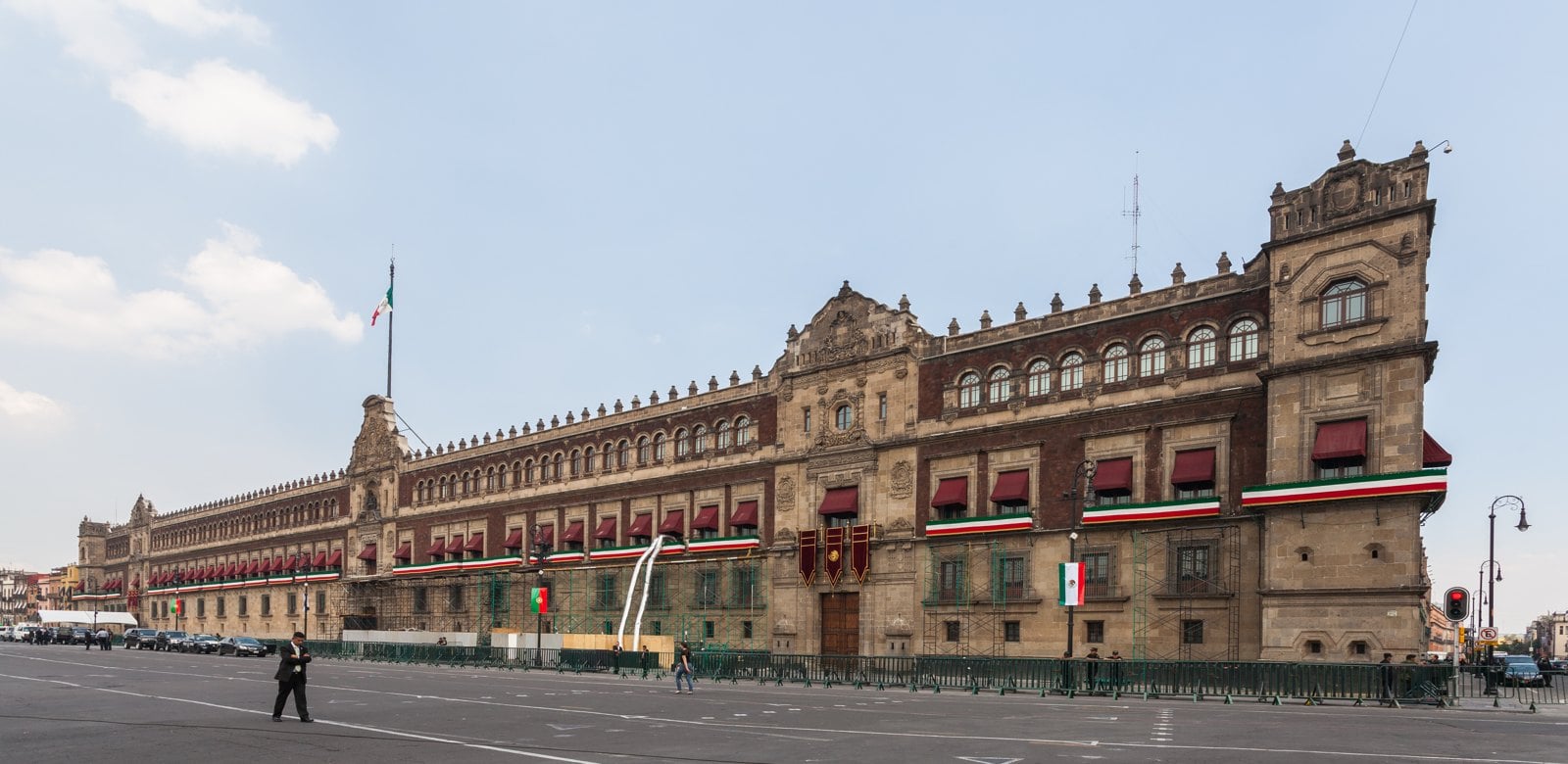
President Claudia Sheinbaum sat down with Goldman Sachs President and COO John E. Waldron at the National Palace.
Finance Minister Edgar Amador Zamora was also in the room. The subject wasn’t a bond issue or a bailout.
It was Mexico’s standing in international markets. It was also about investment openings tied to Plan México.
This government is often framed as hostile to private capital. So this was a deliberate signal.
It said: we’re open for business. We want the biggest names on Wall Street to know it.
What is Plan México, exactly?
Plan México is the Sheinbaum administration’s flagship economic strategy. It launched in early 2025 as a successor to the previous government’s industrial policies.
It’s not a single law or a one-off fund. It’s a broad framework to reorient the Mexican economy.
The focus is on domestic production, strategic sectors, and regional supply chains. Think of it as a national shopping list.
It includes more semiconductors, more electric vehicles, and more renewable energy. It also includes more local content in exports.
There is a serious push to upgrade ports, rail, and power grids.
The plan leans heavily on public-private partnerships. It offers tax incentives for companies that invest in specific regions.
It simplifies the permitting process for large projects. It also sets sectoral targets.
For example, it aims to raise the domestic content of key export industries. It aims to boost manufacturing employment in the less-developed south.
The government framed it as a response to nearshoring. That is the global shift where companies move production closer to their end markets.
Mexico has a 3,000-kilometer border with the U.S. It also has a trade deal already in place. So it is the most obvious beneficiary.
Why is Wall Street courting Mexico right now?
The short answer is geography and timing. For years, multinationals treated China as the world’s factory.
But trade tensions, rising wages, and supply-chain disruptions pushed many firms to look for alternatives. Mexico offers proximity to the U.S. It has a young workforce.
It has trade agreements covering more than 50 countries. That combination is rare.
Goldman Sachs has been expanding its Mexico operations. It advises clients on nearshoring deals.
A direct meeting with the president keeps that pipeline flowing.
There’s also a macro story. Mexico’s economy has been growing steadily.
Inflation has cooled. The peso has remained relatively stable compared to other emerging-market currencies.
The government has maintained fiscal discipline. That reassures investors who might worry about populist spending.
The meeting with Waldron wasn’t just a courtesy call. It was a chance for Sheinbaum to reassure the market.
Plan México won’t mean protectionism or expropriation. It will mean a predictable, rules-based environment.
Foreign capital is welcome there.
What does this mean for you, wherever you are in Latin America?
Do you live in or invest in Latin America? Then this meeting matters beyond Mexico’s borders.
Mexico is the region’s second-largest economy. Its relationship with Wall Street sets a tone for the whole continent.
Goldman Sachs’ president flew to Mexico City for a sit-down with the president. That tells fund managers in New York and London something.
Latin America isn’t just a commodity play. It’s a manufacturing and services destination.
That perception shift can lift capital flows to other countries. This includes Colombia, Chile, and Brazil.
It also matters because Mexico’s success or failure with Plan México will be a test case. If the plan delivers jobs, infrastructure, and export growth, it validates an idea.
That idea is that Latin American governments can pursue industrial policy without scaring off foreign capital. If it stumbles, the region’s reputation will take a hit.
That could happen through bureaucratic delays, energy shortages, or security concerns. So the stakes aren’t just Mexican.
They’re regional. A senior Goldman executive is spending time in the National Palace.
That suggests the smart money is betting on the optimistic scenario.
What’s next for Plan México and foreign investment?
The meeting with Waldron is likely the first of several high-profile encounters. Expect more visits from U.S. and European bank executives.
Expect more announcements about specific projects in semiconductors, automotive, and energy. Expect more details on how the government plans to finance infrastructure.
The finance ministry, under Amador Zamora, will be the key player. It will translate the plan’s ambitions into bankable projects.
But the hard work is just beginning. Plan México requires actual execution, not just investment pledges.
That means land permits, environmental approvals, grid connections, and labor availability. The government promised a “one-stop shop” for investors.
That’s easier said than done in a federal system with powerful local governments. Security remains a concern in several states.
The energy sector is still recovering from years of underinvestment. The meeting with Goldman Sachs was a good start.
The real test is whether promises turn into shovels in the ground.
More: Latin America news in English, every day from The Rio Times.
Frequently Asked Questions
What is the main goal of Plan México?
The main goal is to boost domestic manufacturing, energy independence, and infrastructure. It also aims to attract foreign investment.
That is especially true in sectors linked to nearshoring, like semiconductors and electric vehicles. The plan aims to increase local content in exports.
It aims to create jobs outside the traditional industrial north.
Why is Goldman Sachs interested in Mexico?
Goldman Sachs sees Mexico as a prime beneficiary of nearshoring. That means companies moving production from Asia closer to the U.S. market.
The bank also advises large corporate clients on investments and mergers. So maintaining a direct relationship with the Mexican government helps it facilitate those deals.
The meeting was about reinforcing trust. It was also about exploring concrete opportunities under Plan México.
Does Plan México mean more government control over the economy?
Not exactly. The plan involves significant state coordination and public investment.
But it relies heavily on private capital, including foreign investment. The government has emphasized public-private partnerships and tax incentives.
It has not emphasized nationalizations. The meeting with Goldman Sachs suggests the administration wants to reassure global investors.
The plan is market-friendly, not state-dominated.
Connected Coverage
Sources: Mexican Presidency; El Universal; Excélsior; Proceso — August 11, 2026.
This article was produced by The Rio Times’ automated newsroom system. How we use AI · Report an error
In depth
Read More from The Rio Times