Saudi Arabia’s US$55 Billion EA Buyout Closes
Saudi Arabia · DEALS
Key Facts
Deal value: The consortium paid $55 billion all-cash for Electronic Arts, making it the largest leveraged buyout in history.
Buyer consortium: Saudi Arabia’s Public Investment Fund, US private equity firm Silver Lake, and Jared Kushner’s Affinity Partners led the acquisition.
Ownership split: PIF controls roughly 93.4% of EA post-closing, with Silver Lake holding about 5–5.5% and Affinity Partners around 1–1.1%.
Financing structure: Equity contributions totalled roughly $36–36.4 billion, with $20 billion in debt arranged by JPMorgan Chase & Co.
Timeline: The deal was announced on 29 September 2025, received European Union antitrust approval on 23 July 2026, and closed around 4 August 2026.
Strategic context: The EA buyout aligns with Saudi Arabia’s Vision 2030 plan and its National Gaming and Esports Strategy, backed by roughly $37.8 billion in committed gaming investment.
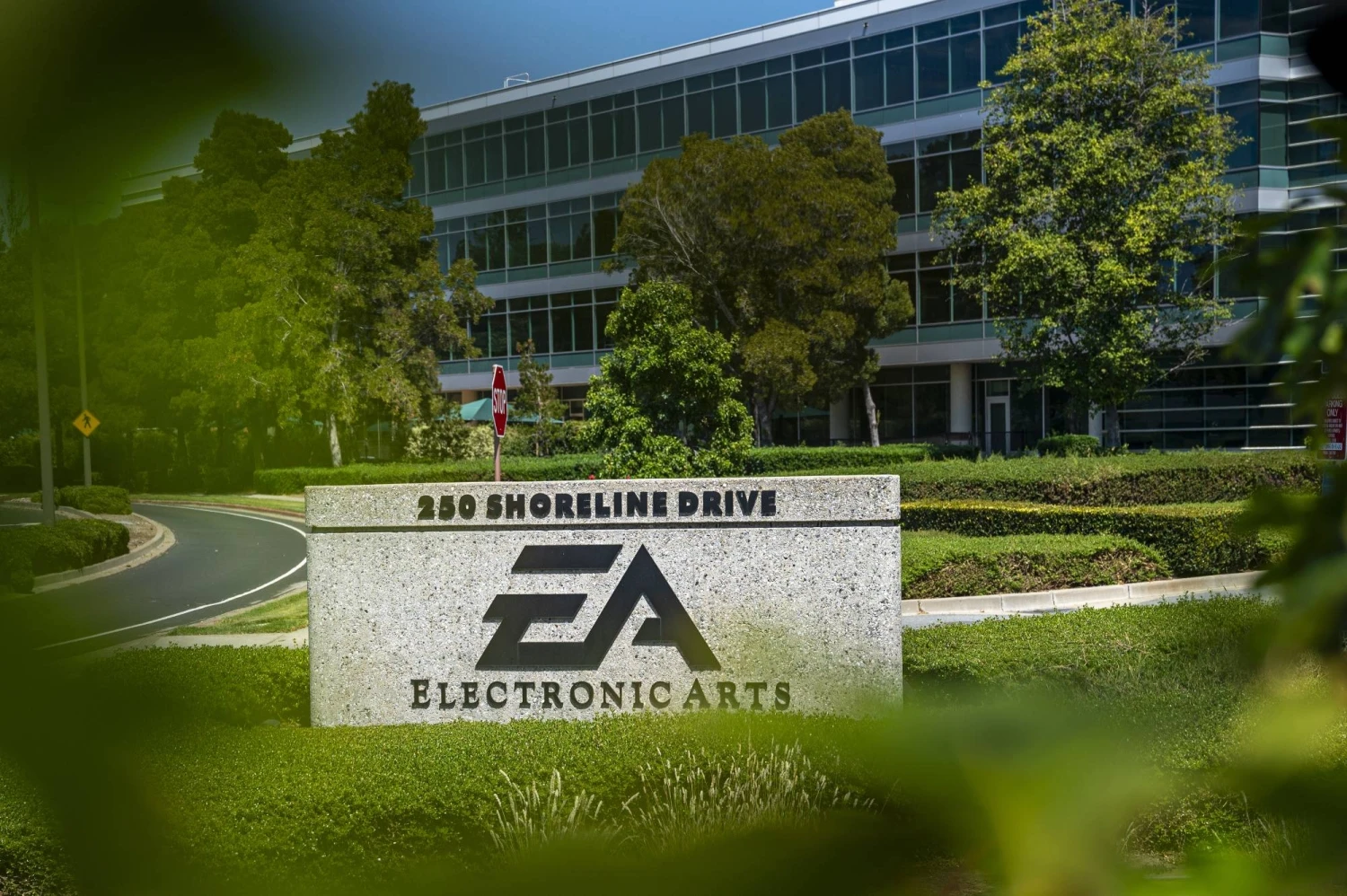
A Saudi-led consortium has completed its $55 billion leveraged buyout of Electronic Arts (EA), the publisher behind EA Sports FC and Madden NFL, taking the company private and handing Riyadh near-total control over one of the world’s largest video-game companies.
How the record-breaking EA buyout came together
The consortium — Saudi Arabia’s Public Investment Fund (PIF), US private equity firm Silver Lake, and Affinity Partners, the investment firm founded by Jared Kushner — announced a definitive agreement on 29 September 2025. EA shareholders received $210 per share in cash, a premium of about 25% over EA’s unaffected closing price of $168.32 on 25 September 2025.
The $55 billion enterprise value makes this the largest leveraged buyout in history, surpassing the roughly $45 billion TXU Energy deal of 2007. It ranks as one of the biggest gaming transactions ever, second only to Microsoft’s $68.7 billion acquisition of Activision Blizzard.
European Union antitrust regulators cleared the transaction in July 2026. A United States Securities and Exchange Commission filing confirmed that all required regulatory approvals had been secured by 30 July 2026, and the deal closed around 4 August 2026.
Who owns EA now and who put up the money
PIF, which already held roughly 9.9% of EA before the buyout, now controls approximately 93.4% of the company. Silver Lake owns about 5–5.5%, while Kushner’s Affinity Partners holds around 1–1.1%.
The financing package split into roughly $36–36.4 billion in equity and $20 billion in debt. JPMorgan Chase & Co. led the debt arrangement, with about $18 billion deployed at closing.
EA’s Nasdaq-listed shares have been bought out and the company will no longer trade publicly. Private ownership frees EA from quarterly earnings pressure and allows long-term restructuring under its new Saudi-controlled board.
Why Saudi Arabia wanted EA: Vision 2030 and gaming soft power
The EA buyout fits squarely within Vision 2030, Crown Prince Mohammed bin Salman’s plan to diversify the Saudi economy away from oil. In September 2022, the kingdom launched a National Gaming and Esports Strategy with the goal of becoming a global hub for the sector by 2030.
That strategy is backed by roughly $37.8 billion in committed investment, channelled primarily through Savvy Games Group, a PIF-owned vehicle. Savvy’s 2022 investment plan earmarked about $13.3 billion specifically to acquire a leading game publisher as a strategic partner.
EA brings prized intellectual property — EA Sports FC, Madden NFL, Battlefield, The Sims, and Apex Legends — plus hundreds of millions of players worldwide. Controlling those franchises gives Riyadh use over global sports culture, esports infrastructure, and the data of young audiences across Europe, Africa, the Middle East, and Latin America.
The Kushner connection and the US–Saudi triangle
Affinity Partners, founded by President Donald Trump’s son-in-law Jared Kushner, manages Saudi PIF money and took a roughly 1–1.1% stake in the EA deal. The holding is financially small but politically symbolic, linking a flagship American cultural export to Trump-aligned capital and the Saudi state.
The arrangement blurs the line between a commercial leveraged buyout and a state-driven strategic acquisition. It has already raised questions in Washington and Brussels about foreign influence over cultural infrastructure and youth engagement platforms.
PIF manages roughly $925 billion in assets and has been systematically building stakes across the gaming value chain. Its portfolio already includes positions in Nintendo, Take-Two Interactive, and Embracer Group, plus control of ESL FACEIT Group, the world’s largest esports business, through Savvy-backed acquisitions.
What the EA buyout means for Africa and the Global South
Football-centric titles like EA Sports FC are deeply embedded in African youth culture, and the continent is forecast to be one of the fastest-growing gaming markets as connectivity and smartphone penetration rise. EA’s new Saudi owner now holds significant use over a key entertainment gateway for millions of African players.
Saudi Arabia has been deepening investment and political engagement across African states, seeking allies in multilateral forums and access to minerals and agriculture. Owning EA gives Riyadh a cultural tool to complement traditional statecraft, from sponsoring tournaments to co-developing esports infrastructure in African capitals.
The deal illustrates how global capital flows from oil-rich states are reshaping who owns the cultural platforms used by African youth. Gaming, once seen as peripheral, is now firmly part of geopolitical competition, as explored in our pillar Africa: The New Scramble.
Controversy, content risks, and what comes next
Saudi Arabia’s aggressive push into sports and entertainment has drawn widespread criticism as “sportswashing,” an attempt to distract from human-rights concerns and authoritarian governance. The EA deal extends that debate into digital culture, with critics arguing that gamers worldwide are now indirectly supporting Riyadh’s political model.
Governance and content risks loom large. PIF is ultimately controlled by the crown prince, and decision-making on EA’s long-term strategy could be shaped by political priorities rather than purely commercial ones. Questions also surround whether EA might self-censor or tailor content to suit Saudi regulatory preferences on religion, sexuality, or geopolitical narratives.
Industry analysts expect more aggressive monetisation of EA’s live-service titles, deeper integration with Saudi-hosted esports events, and possible content localisation tied to Vision 2030 tourism campaigns. The record price tag may also spur other sovereign funds and private equity firms to pursue large publishers, accelerating consolidation across the global gaming industry.
Background: Crypto Fraud Wave Wipes Out Savings in Cape Verde.
Background: Africa–Latin America Trade Could Hit US$1 Trillion by 2030.
Frequently Asked Questions
How much did the Saudi-led group pay for Electronic Arts?
The consortium paid $55 billion in an all-cash transaction, with EA shareholders receiving $210 per share, a premium of about 25% over EA’s unaffected closing price of $168.32 on 25 September 2025.
Who controls EA after the buyout?
Saudi Arabia’s Public Investment Fund controls approximately 93.4% of EA, with Silver Lake holding about 5–5.5% and Jared Kushner’s Affinity Partners around 1–1.1%.
Why did Saudi Arabia buy Electronic Arts?
The acquisition aligns with Vision 2030 and the National Gaming and Esports Strategy, which aims to make Saudi Arabia a global gaming hub backed by roughly $37.8 billion in committed investment.
Connected Coverage
Read more on how global powers are competing for influence across the continent in our pillar: Africa: The New Scramble.
Sources
This article was produced by The Rio Times’ automated newsroom system. How we use AI · Report an error · Editorial responsibility: Matthias Camenzind, Editor-in-Chief
Great Powers in Africa
- Who Backs Whom in Africa 2026: China, Russia, US, Gulf
- Africa: The New Scramble
- DP World and AD Ports Drive Gulf States Africa Investment as Saudi Deals Follow
- China Slashes Africa Lending 46% as Kenya and Angola Race to Refinance Old Debts