Peru Flight Permits to Drop From 30 Days to 1 Day

PERU · TRAVEL
Key Facts
- —The country Peru is an Andean country on South America’s Pacific coast, and Lima’s Jorge Chávez International Airport is its main international gateway.
- —What happened On Friday, 9 October, Peru’s transport ministry presented an air connectivity kit for airlines that open new routes.
- —Faster permits Peru flight permits will take one business day instead of 30, and operating permits about 30 days instead of up to 90.
- —The savings The ministry estimates savings from US$19,000 a year in landing and take-off fees, and possible airport discounts above US$300,000 in the first year.
- —The US link Valero, a refiner based in San Antonio, Texas, is among the fuel suppliers offering airlines preferential terms under the plan.
- —Still open The ministry’s statement gives no decree, no start date and no list of airlines that will use the incentives.
Peru flight permits will be processed in one business day instead of 30, under a plan the transport ministry presented on Friday, 9 October. The package also promises lower airport fees, cheaper jet fuel and discounted ground services for airlines that open new routes.
For US travellers, the goal is more flights and more frequencies to Lima and to regional airports across the country. Valero, the Texas-based refiner, is among the companies offering airlines cheaper fuel.
What the Transport Ministry Announced
Transport Minister José Angello Tangherlini Casal presented the plan with Paola Marín Ugarte, director general of civil aeronautics. Her office, known by its Spanish initials DGAC, is the ministry’s civil aviation branch.
Tangherlini, an economist, became transport minister in September in President Keiko Fujimori’s conservative government.
The Ministry of Transport and Communications (MTC) calls it the Kit de Impulso a la Conectividad Aérea, or air connectivity boost kit. It covers five areas: airport fees, fuel supply, ground handling, demand promotion and regulatory easing.
Tangherlini said the government is “pushing concrete measures to simplify administrative procedures” and speed up new air operations, according to the ministry’s statement. He said the aim is better conditions for connectivity, tourism, trade and economic growth.
Faster Peru Flight Permits
The biggest change is time. Peru flight permits will move from 30 days to one business day, the ministry said.
Operating permits will be handled in about 30 days instead of up to 90. The ministry said the shorter deadlines are meant to make it easier to launch new air operations.
Faster Peru flight permits come with a cost package built with private companies that sell services to airlines. The ministry said it aims to cut the costs carriers face on a new route.
Cheaper Fees, Fuel and Ground Services
Three private airport operators that run terminals under state concessions are taking part. Lima Airport Partners (LAP) operates Jorge Chávez, while Aeropuertos del Perú (AdP) and Aeropuertos Andinos del Perú (AAP) run regional airports.
AdP lists 12 airports, including Trujillo, Chiclayo, Piura and Iquitos. AAP lists five, including Arequipa, Juliaca and Tacna.
The ministry estimates savings from US$19,000 a year in landing and take-off fees. Airport discounts could exceed US$300,000 in the first year of a new operation, depending on the conditions that apply.
On fuel, companies including Repsol and Valero will offer preferential commercial terms. Repsol, the Spanish energy group, runs the La Pampilla refinery, which it calls Peru’s most important.
Valero is a US refiner headquartered in San Antonio, Texas. The ministry estimates fuel savings of up to US$18,720 a year on flights within South America and about US$40,000 on intercontinental flights.
Ground-handling firms including Talma and SAASA service aircraft, passengers and baggage. They will add benefits to lower the cost of new operations, the ministry said.
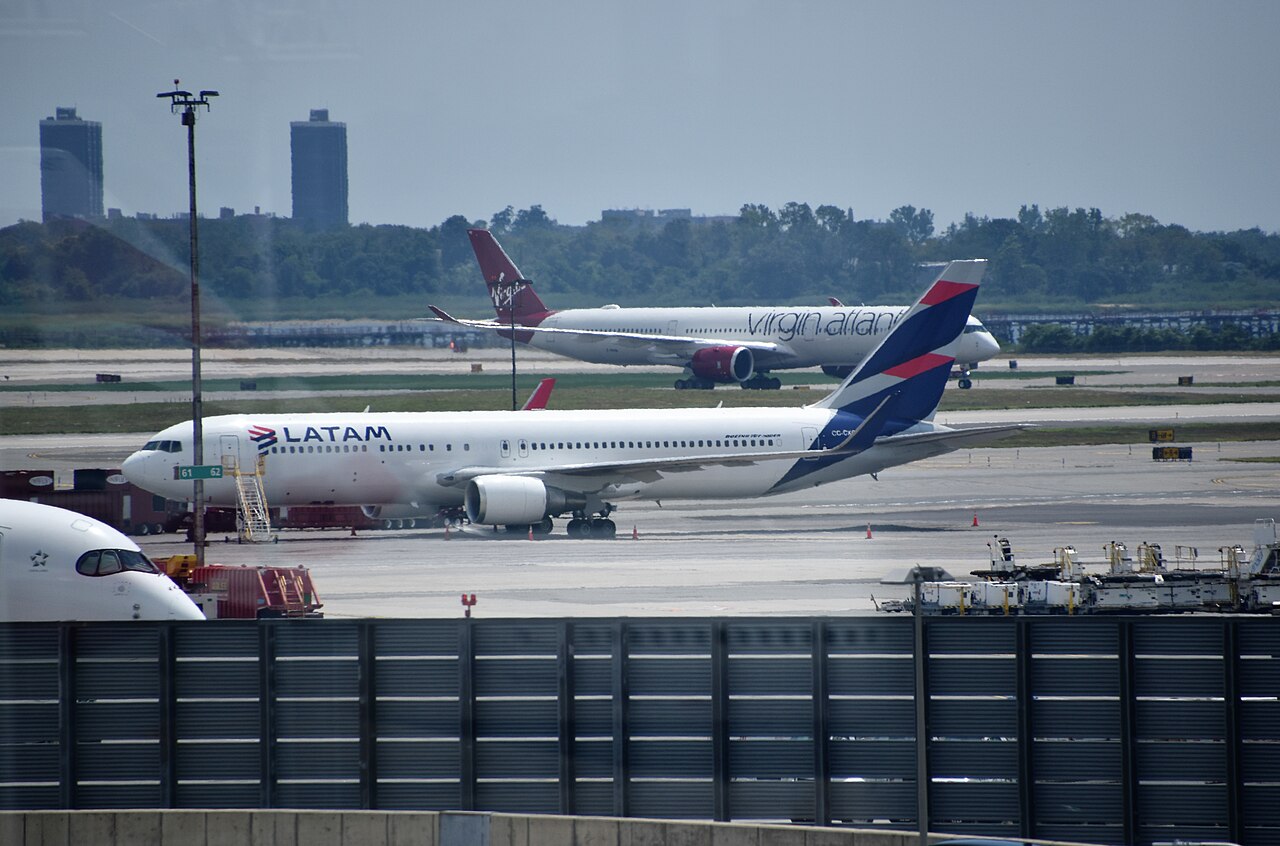
Why Peru Wants More Flights
The plan covers Jorge Chávez and regional terminals in the north, east and south of Peru. The ministry said it wants to increase flight frequencies and connect more cities to new destinations, at home and abroad.
The ministry first outlined a kit under the same name in May, before the current government took office. That version offered technical and regulatory support to attract airlines from Asia, Europe and the Middle East, the business daily Gestión reported.
Andina, Peru’s state news agency, carried the ministry’s announcement on Friday evening. Air links matter for Peru’s trade as well as tourism, as shown by Peru’s air cargo growth in May.
What It Means for You
For US travellers, more routes and frequencies would mean more choice on trips to Lima and to Peru’s regional cities. Fares are set by airlines, and the ministry has not promised cheaper tickets.
For US airlines and investors, faster Peru flight permits and cheaper services trim some start-up costs on new routes. Valero’s role ties a Texas company directly to the plan.
The ministry’s statement says nothing about visas, entry rules or the airport charges that passengers pay.
What Is Not Known
The ministry’s statement cites no decree or resolution, and it does not say when the faster Peru flight permits take effect. It also names no airline that plans to use the incentives.
It is not clear whether foreign airlines, including US carriers, qualify on the same terms as Peruvian ones. The savings are ministry estimates, and the conditions behind the airport discounts were not made public.
More: Peru news in English, every day from The Rio Times.
Frequently Asked Questions
What is Peru’s air connectivity kit?
It is a package of measures from Peru’s Ministry of Transport and Communications, presented on 9 October 2026. It shortens permit times and offers cheaper airport fees, fuel and ground services to airlines that open new routes.
How fast will Peru flight permits be processed?
Peru flight permits will take one business day instead of 30, the ministry said. Operating permits will take about 30 days instead of up to 90.
Which companies are taking part?
They include airport operators LAP, AdP and AAP, fuel suppliers Repsol and Valero, and ground-handling firms Talma and SAASA. Valero is based in San Antonio, Texas.
Will flights to Peru get cheaper for US travellers?
Not necessarily. The savings go to airlines, and the ministry has not said that fares will fall.
Sources: Ministerio de Transportes y Comunicaciones (MTC), 9 October 2026; Andina, 9 October 2026; Gestión, 20 September 2026; Gestión, 27 May 2026; Aeropuertos del Perú, 10 October 2026; Aeropuertos Andinos del Perú, 10 October 2026; Lima Airport Partners, 10 October 2026; Valero, 10 October 2026; Repsol Perú, 10 October 2026.
This article was produced by The Rio Times’ automated newsroom system. How we use AI · Report an error · Editorial responsibility: Matthias Camenzind, Editor-in-Chief