
Peru · DISASTERS
Key Facts
- —What happened Peru issued four separate emergency decrees on 23 August 2026, covering an earthquake, El Niño, storms and flooding.
- —How big Three decrees last 60 days each; the fisheries decree runs 120 days nationwide.
- —The real story Each decree is a distinct measure, not one national declaration, with different scopes and terms.
- —The catch The fisheries decree is a sector emergency, so it can exceed the 60-day constitutional limit for territorial emergencies.
- —What comes next No budget, financing source, or executing bodies were published for any decree.
Four separate supreme decrees, each with its own scope and term, signal a fragmented response to a week of disasters across Peru.
Peru Emergency Decrees published on Sunday 23 August 2026 address four separate crises, from an earthquake in Ayacucho to nationwide fishing troubles. The government issued four distinct supreme decrees in the official gazette El Peruano, each with its own scope and duration.
Four Decrees, Four Crises
However, Peru Emergency Decrees cover an earthquake, El Niño, southern storms and Lima flooding. Each decree is a separate measure, not one national declaration.
The first decree declares a state of emergency for 60 days in five districts of Ayacucho. The second, Supreme Decree No. 012-2026-PRODUCE, puts the fishing and aquaculture subsectors in emergency for 120 calendar days nationwide.
The four decrees were published in El Peruano on Sunday 23 August 2026. Each addresses a distinct crisis with its own scope and term.
However, each decree addresses a distinct crisis with its own scope and term. The government of Keiko Fujimori issued them on Sunday 23 August 2026.
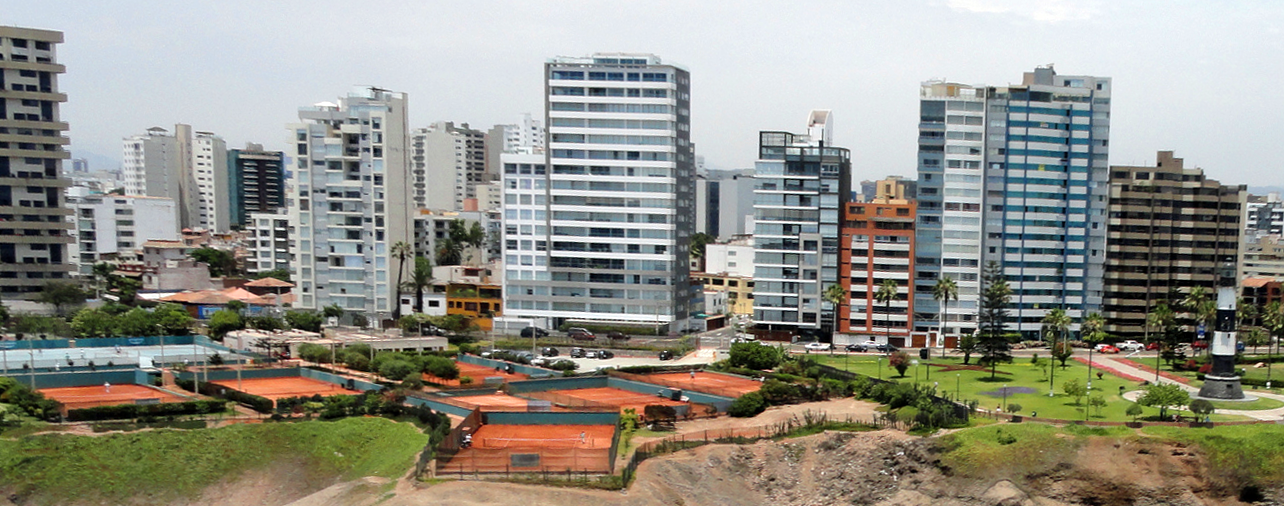
Peru Emergency Decrees for Ayacucho
Meanwhile, the Ayacucho decree covers Chumpi, Coracora, Pullo and Upahuacho in Parinacochas province, plus Carapo in Huanca Sancos province. The reporting did not give the decree number for this declaration.
According to EFE, about 500 people were affected and three injured across these five districts. The decree allows for exception, immediate and necessary measures of response and rehabilitation.
The decree covers five districts in the Ayacucho region for 60 days. However, the decree number was not given in the reporting used.
Meanwhile, the decree covers five districts in the Ayacucho region for 60 days. However, the decree number was not given in the reporting used.
Fisheries Emergency Over El Niño
Supreme Decree No. In addition, 012-2026-PRODUCE declares a sector emergency for fishing and aquaculture nationwide. It runs for 120 calendar days due to the El Niño phenomenon of 2026-2027.
This measure is different from the territorial decrees because it is a sector emergency declared by the production ministry. Therefore, it can exceed the 60-day constitutional ceiling that applies to the other three.
El Niño is a periodic warming of the eastern Pacific that pushes anchoveta deeper. As a result, catches fall, affecting Peru’s fishmeal industry.
In addition, this decree is a sector emergency declared by the production ministry. Therefore, it can exceed the 60-day constitutional ceiling that applies to the other three.
Southern Storms and Lima Flooding
Supreme Decree No. 118-2026-PCM declares a 60-day emergency in districts of Arequipa, Moquegua and Tacna hit by the DANA storm system. The individual district names were not in the reporting.
In fact, Supreme Decree 117-2026-PCM declares a 60-day emergency in two Lima districts. Villa María del Triunfo and Villa El Salvador, after flooding.
La República reported this decree came seven days after the floods. DANA stands for depresión aislada en niveles altos, an isolated high-level depression.
It dumps heavy rain for days over one area, causing floods. Meanwhile, the DANA storm system is a cut-off low that dumps heavy rain for days.
As a result, it caused flooding in the southern regions and Lima.
What a State of Emergency Means
A Peruvian state of emergency is set out in Article 137 of the Constitution. However, it is often called by its Spanish name, estado de emergencia.
It runs for a maximum of 60 days at a time, and extending it needs a fresh supreme decree. In disaster declarations, the practical effect is administrative.
Public bodies may skip normal tendering, move money and buy relief goods quickly for a fixed window. Article 137 also permits suspending some rights, such as freedom of assembly.
However, nothing in this research says that was applied here. However, the practical effect is administrative, allowing quick spending and relief.
Still, it does not automatically suspend constitutional rights.
The Legal Instruments Explained
A decreto supremo, or supreme decree, is an executive order signed by Peru’s president and approved by the cabinet. It becomes law once published in El Peruano, the official state gazette.
PCM stands for Presidencia del Consejo de Ministros, the cabinet office of the prime minister. PRODUCE is the Ministerio de la Producción, responsible for fishing and aquaculture.
El Peruano’s Normas Legales supplement is where decrees are published. Publication there is what makes them take effect.
In addition, a decreto supremo becomes law only when published in El Peruano. Meanwhile, the Normas Legales supplement is where such decrees appear.
Background on the Ayacucho Quake
A magnitude 7.2 earthquake struck the Andean region of Ayacucho on Thursday 20 August 2026. The epicentre was 35 kilometres from the town of Coracora, according to the Instituto Geofísico del Perú.
The decrees are the government’s formal response to the quake and to the weather emergencies. The quake struck on 20 August, three days before the decrees.
However, the time of day was not reported in the research. However, the quake struck on 20 August, three days before the decrees.
Meanwhile, the time of day was not reported in the research.
Damage Reports and Toll
INDECI, Peru’s national civil defence institute, reported on 20 August damage in several districts. In Puquio, 8 homes were affected with cracks; in Pullo, 12 homes and one health post were affected.
However, Puquio is not among the five districts under the state of emergency. The three injured were reported later, on 23 August, by EFE, separate from the earlier counts.
INDECI also reported two people injured while evacuating in Coracora. Additionally, 18 populated centres were affected in Upahuacho.
Meanwhile, INDECI’s damage counts on 20 August are separate from EFE’s toll on 23 August. As a result, they should not be added together.
What Remains Unknown
The reporting gives no budget, financing source, or list of executing bodies for any of the four decrees. No sol or dollar figure appears in the research.
Still, the decrees are now in effect. Their practical impact will depend on how quickly the government can act within the fixed windows.
The reporting does not state who executes the decrees or their expiry dates. Still, the decrees are now law, and their effects will unfold.
However, the reporting gives no budget, financing source, or executing bodies. Still, the decrees are now law, and their effects will unfold.
More: Peru news in English, every day from The Rio Times.
Frequently Asked Questions
What are the Peru Emergency Decrees?
Peru Emergency Decrees are four separate supreme decrees published on 23 August 2026. They address an earthquake in Ayacucho, El Niño effects on fisheries, DANA storms in the south, and flooding in Lima.
How long does each decree last?
Three territorial decrees last 60 days each. The fisheries decree lasts 120 calendar days because it is a sector emergency declared by the production ministry.
Which areas are covered by the Ayacucho decree?
The Ayacucho decree covers five districts: Chumpi, Coracora, Pullo and Upahuacho in Parinacochas province, plus Carapo in Huanca Sancos province. Puquio is not included.
What does a state of emergency allow?
It allows public bodies to skip normal tendering and move money quickly for relief and repairs. The constitution also permits suspending some rights, but nothing in the research says that was applied.
Connected Coverage
Sources: EFE; El Peruano; La República; El Popular; INDECI; Instituto Geofísico del Perú.
More Latin America news: Argentina | Mexico | Colombia | Chile | Peru | Venezuela | Uruguay | Ecuador | Brazil
This article was produced by The Rio Times’ automated newsroom system. How we use AI · Report an error · Editorial responsibility: Matthias Camenzind, Editor-in-Chief